Cop31将于11月9日星期一开始。在由一个痴迷煤炭的国家主持气候会议可能被视为地球的厄运——与两个国家分享则显得挑衅。但在今年的Cop31联合国气候峰会上,澳大利亚和土耳其将试图将焦点从肮脏的化石燃料转移到清洁电力上,目标是到2035年将最终能源需求中的35%来自电力。
Cop31 begins on Monday 9 November. olding a climate conference under the presidency of one coal-obsessed country might be regarded as a misfortune for the planet –sharing it between two starts to look provocative. But at this year’s Cop31 UN climate summit in Antalya, coal exporter Australia and coal consumer Turkey will be trying to shift the focus away from dirty fossil fuels and towards clean electricity, with a target on the table to meet 35% of final energy demand from electricity by 2035.
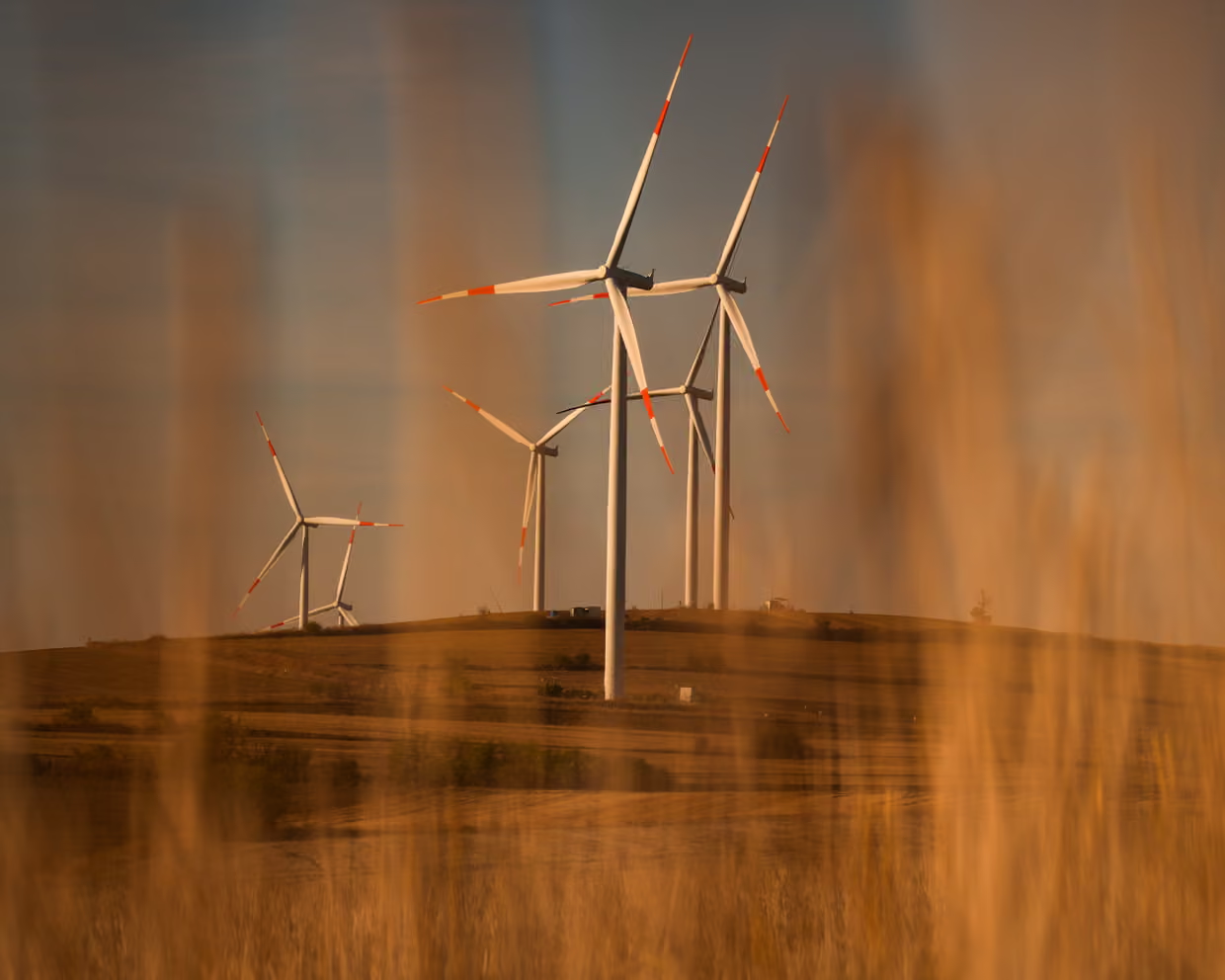
他们会成功吗?Cop31的地缘政治前景比联合国气候变化框架公约(UNFCCC)下几乎任何近期的“缔约方会议”都要糟糕。乌克兰、伊朗和加沙的冲突正在破坏全球联盟,一个不可预测的白宫正在播下经济不确定性的种子,人工智能则威胁要释放数字化的混乱。
Will they succeed? The geopolitical outlook for Cop31 is worse than for almost any recent “conference of the parties” under the UN Framework Convention on Climate Change (UNFCCC). Conflicts in Ukraine, Iran and Gaza are destabilising global alliances, an unpredictable White House is sowing economic uncertainty and AI is threatening to unleash digitised chaos.
但随着一个由化石燃料助长的厄尔尼诺天气系统已经造成严重破坏且尚未达到顶峰,气候正在显示出地球灾难的真正潜力。在接下来的两周里,《Down to Earth》将每周两次为您带来Cop31谈判的最新动态,并在最终敲下槌子时,对在安塔利亚取得的进展——以及谈判的不足之处——进行最终评估。但首先,本周最重要的几篇文章。
But with an El Niño weather system supercharged by fossil fuels already wreaking havoc and yet to peak, the climate is showing where the real potential for earthbound catastrophe lies. For the next fortnight, Down to Earth will bring you twice-weekly updates from the Cop31 negotiations plus, when the gavel finally comes down, a final assessment of what progress has been made – and where negotiations have fallen short in Antalya. But first, this week’s most important reads.