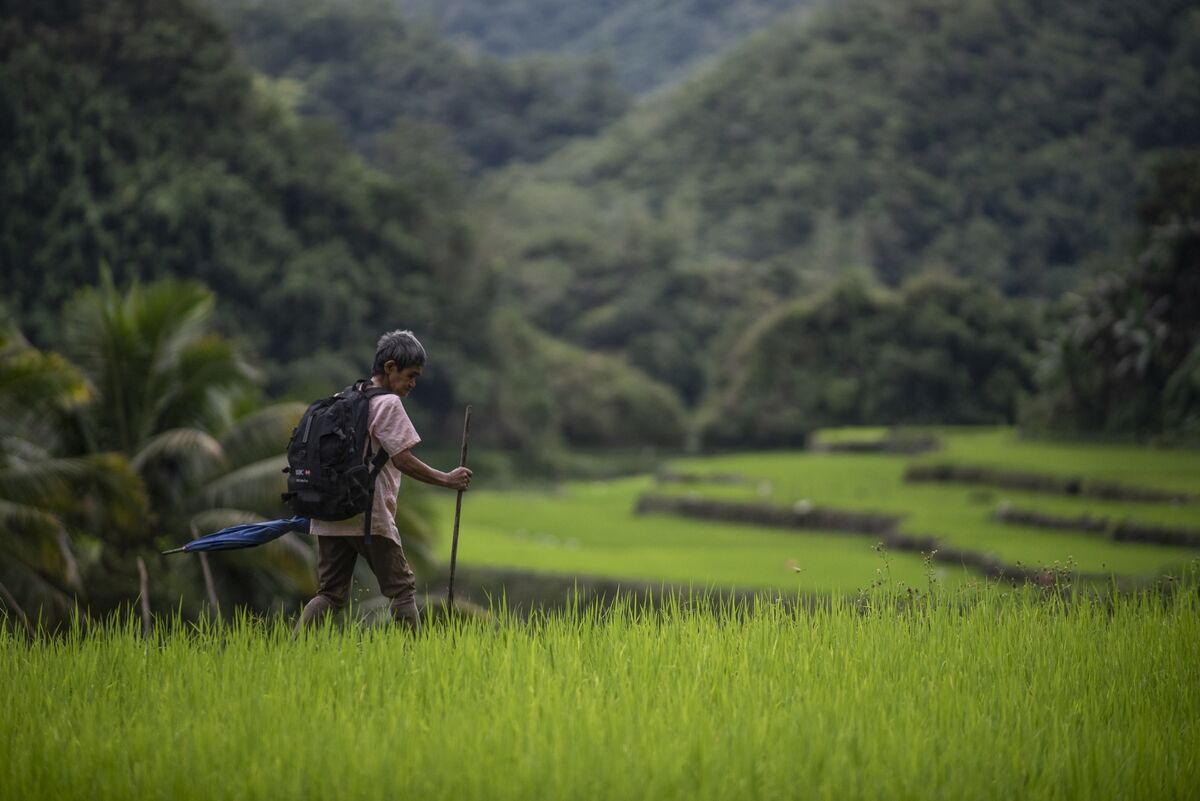
菲律宾第三季度农业产出因稻米收成大幅下滑而创纪录萎缩,预示着这个在该地区属于表现落后的经济体将面临更大压力。
By Ditas B Lopez The Philippines’ farm output shrank by a record in the third quarter following a sharp drop in rice harvests, signaling more strain for an economy that’s among the region’s laggards.
根据彭博数据(可追溯至1999年),7至9月农业产量暴跌5%,为最严重收缩。受季风暴雨冲击,这个气候脆弱国家的稻米产量较去年同期暴跌17.8%至300万公吨。
Agricultural production slumped 5% in July to September, the worst contraction based on Bloomberg data dating back from 1999. Rice output fell 17.8% from a year ago to 3 million metric tons as monsoon rains battered the climate-vulnerable nation.
农业部长弗朗西斯科·蒂乌·劳雷尔二世表示,厄尔尼诺现象改变降雨模式并可能引发干旱,加上化肥价格昂贵,很可能导致了这一创纪录跌幅。他称,低迷的农业产出预计将在本季度持续。
最新数据为一个已因中东战争导致能源供应中断、以及腐败丑闻余波冲击投资者信心而放缓的经济体,敲响了另一记警钟。
El Niño, which alters rainfall patterns and can fuel drought, and expensive fertilizer likely caused the record drop, according to Agriculture Secretary Francisco Tiu Laurel Jr. Low farm output is expected to persist this quarter, he said. The latest data flash another warning sign for an economy already in a slowdown due to energy disruptions from the Middle East war and the lingering effects of a corruption scandal that hit investor confidence.
虽然第二季度经济增速被小幅上修至2.4%,但菲律宾仍落后于印尼、马来西亚和越南等地区同行。上季度经济表现数据定于11月9日公布。农业部门约占该国国内生产总值的8%,吸纳了20%的劳动力。
While second-quarter economic growth was slightly revised upwards to 2.4%, the Philippines still trails regional peers like Indonesia, Malaysia and Vietnam. Data on last quarter’s economic performance is scheduled to be released on Nov. 9. The agriculture sector accounts for about 8% of the country’s gross domestic product and employs 20% of the country’s workforce.
国内稻米产量大幅下滑也意味着,该国将需要进口更多这一基本主粮,而疲软的比索使进口成本更高。这可能推高进口和通胀风险,因稻米在消费价格篮子中占比约十分之一。
The sharp fall in the domestic rice production also suggests the country will need to import more of the basic staple just when a weak peso makes imports more expensive. This potentially raises import and inflation risks, with rice accounting for about a tenth of the consumer price basket.
黎刹商业银行首席经济学家迈克尔·里卡福特表示:“这可能部分导致GDP增速放缓。未来几个月,超级厄尔尼诺干旱——可能是75多年来最严重的一次——连同高昂的化肥和运输成本,将继续拖累农业产出。”
“It could partly contribute to slower GDP growth,” said Michael Ricafort, chief economist at Rizal Commercial Banking Corp. “For the coming months, the risk of a super El Nino drought - potentially the worst in more than 75 years - along with high fertilizer and transport costs, will continue to weigh on agriculture output,” he said.