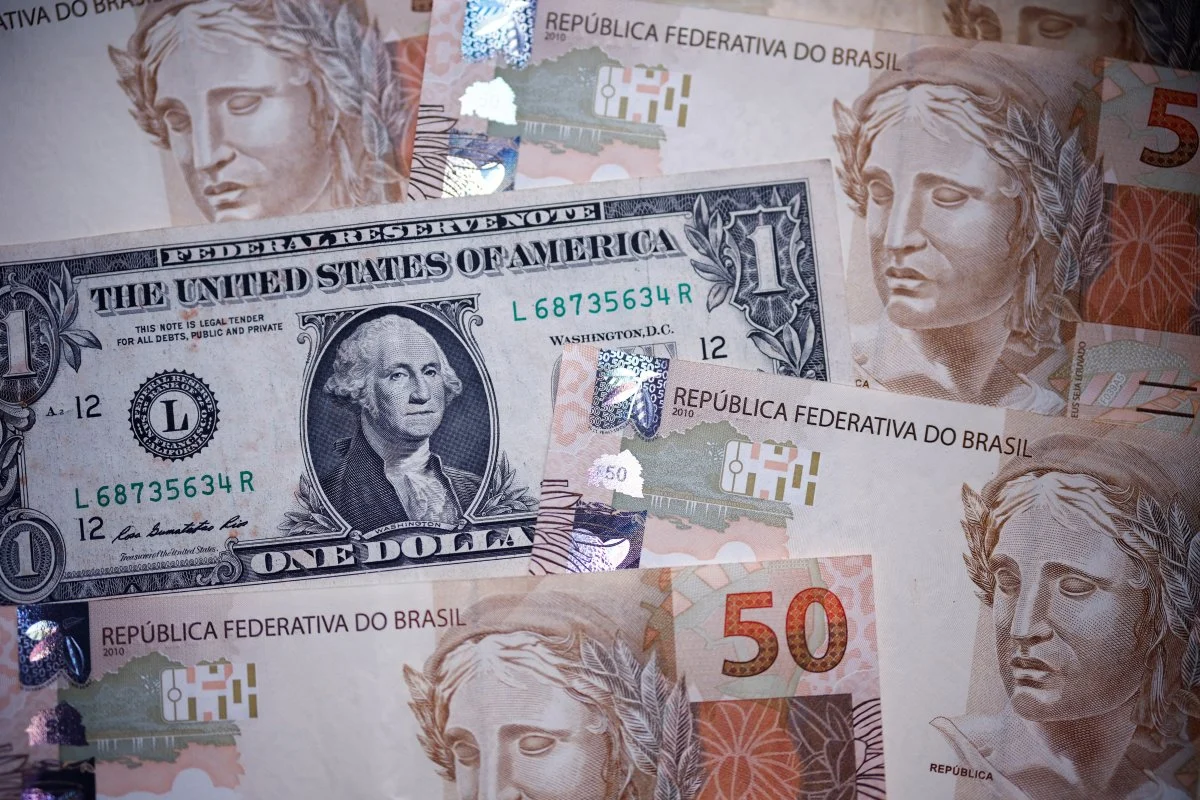
Investing.com -- 周五亚洲货币涨跌互现,美国科技股遭遇剧烈抛售,推动投资者转向避险资产,支撑了日元,而新台币一度跌破关键心理关口。
Investing.com -- Asian currencies traded mixed on Friday as a sharp selloff in U.S. technology shares drove investors towards haven assets, supporting the Japanese yen, while the Taiwan dollar briefly weakened past a key psychological level.
在10月非农就业数据公布前,美元总体持稳,市场重新评估美联储的利率前景。
The U.S. dollar held broadly steady ahead of October payrolls as markets reassessed the Federal Reserve's interest-rate outlook.
美元指数上涨0.1%至101.70。美元/日元上涨0.1%至157.85,此前日元一度升至一周高点157.40附近。
The U.S. dollar index rose 0.1% to 101.70. The USD/JPY pair was up 0.1% at 157.85 after the yen earlier strengthened to a one-week high near 157.40.
美元/新台币报32.988,下跌0.3%,此前一度升破33。美元/韩元上涨0.2%至1360.36,而美元/离岸人民币和美元/在岸人民币基本持平。澳元和新西兰元分别下跌0.3%至0.6914美元和0.5580美元,新加坡元走弱0.2%。
The USD/TWD pair stood at 32.988, down 0.3%, after briefly rising above 33. The USD/KRW pair gained 0.2% to 1,360.36, while USD/CNH and USD/CNY were little changed. The Australian and New Zealand dollars fell 0.3% to $0.6914 and $0.5580, while the Singapore dollar weakened 0.2%.
AI股抛售动摇市场,日元吸引避险买盘 日元一度上涨0.6%至157.54,跑赢所有十国集团货币,因华尔街剧烈抛售引发向更安全资产的转移。
Yen draws safe-haven demand as AI selloff rattles markets The yen strengthened as much as 0.6% to 157.54 per dollar, outperforming all Group-of-10 currencies as a sharp Wall Street selloff triggered a shift towards safer assets.
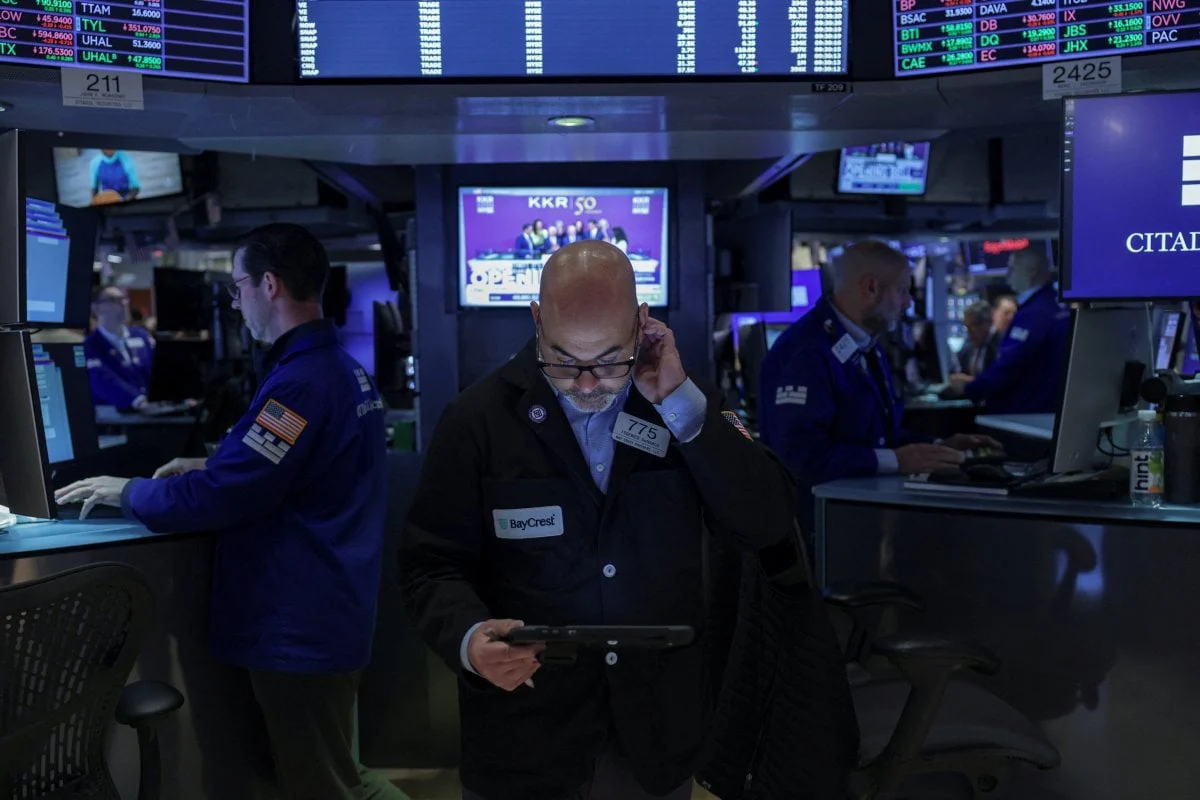
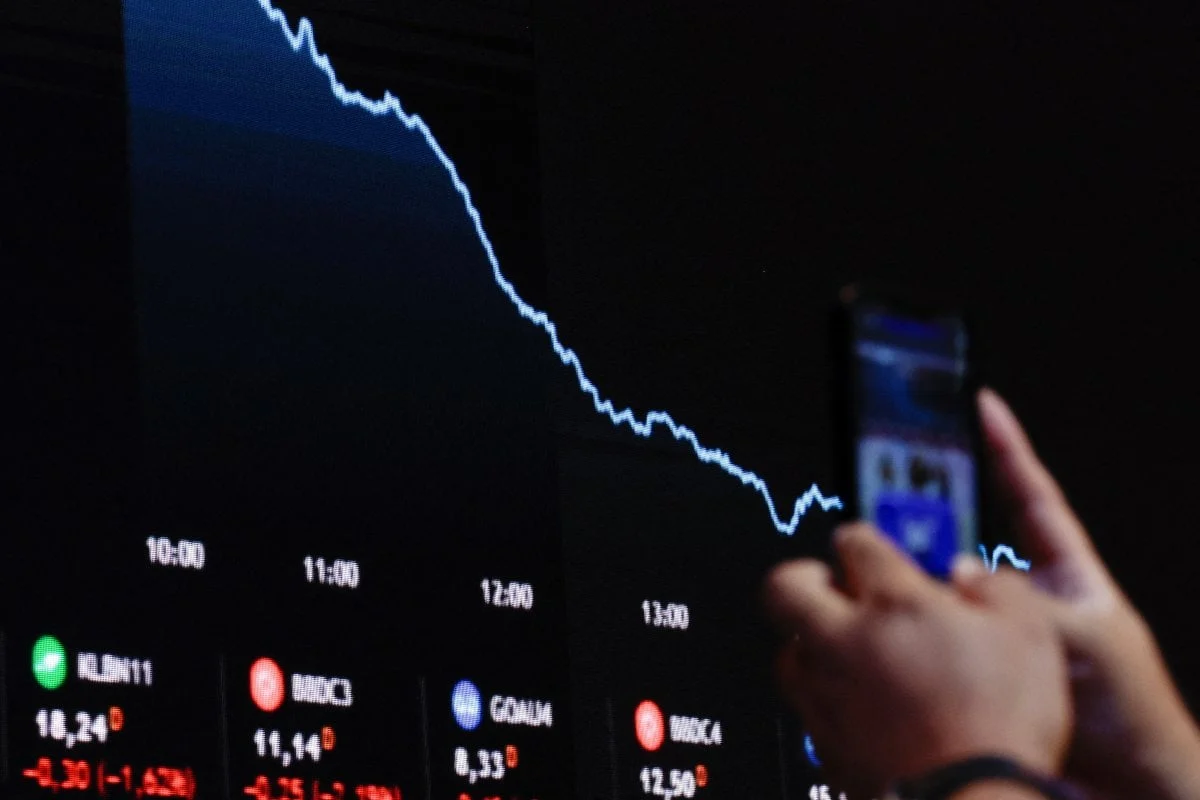
纳斯达克指数暴跌5.52%,录得自2025年4月以来最大单日跌幅,标普500指数下跌4.36%。投资者担心民主党在中期选举中大获全胜,可能导致对人工智能投资(特别是数据中心建设)的监管收紧,从而引发从股票向债券和避险货币的撤离。日元随后吐回部分涨幅。
The Nasdaq plunged 5.52%, its steepest one-day drop since April 2025, while the S&P 500 fell 4.36%. Investors feared that Democrats' sweeping midterm victory could lead to tighter scrutiny of artificial-intelligence investment, particularly data-centre construction, prompting a retreat from equities into bonds and haven currencies. The yen subsequently surrendered some of its gains.
这一走势重振了日元传统的避险吸引力。上个月类似的科技股抛售期间,日元曾一度升至156.08,随后反转了大部分涨幅。
The move has revived its traditional safe-haven appeal. During a similar technology-stock selloff last month, the currency briefly strengthened to 156.08 per dollar before reversing much of that advance.
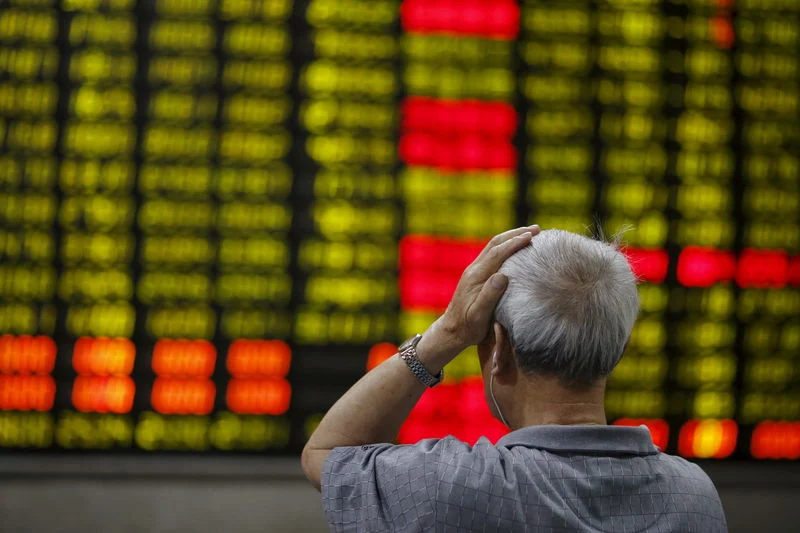
其他方面,新台币一度下跌0.5%至33.040,为2025年4月以来最弱,也是自那时以来首次跌破33关口。受外资流出拖累,台湾股市下跌约6%,新台币成为亚洲表现最差货币,但随后收复33关口。
Elsewhere, the Taiwan dollar fell as much as 0.5% to 33.040 per dollar, its weakest since April 2025 and its first break above 33 since then. It was Asia's worst performer as Taiwan shares dropped around 6% amid foreign outflows, although it later recovered below 33.
韩元同样面临股市驱动的压力。韩国综合股价指数(KOSPI)暴跌8.6%,跌破5000点,为九个月来首次,并触发20分钟熔断。外国投资者周四抛售3.39万亿韩元股票。美元兑韩元汇率较上周收盘上涨1.16%至1357.9左右,随后升至1360.36。
The won also faced equity-driven pressure. The KOSPI plunged 8.6%, falling below 5,000 for the first time in nine months and triggering a 20-minute trading halt. Foreign investors sold 3.39 trillion won of shares on Thursday. The dollar-won rate had risen 1.16% from the previous weekly close to around 1,357.9 before reaching 1,360.36.


随着地区数据塑造货币前景,新西兰元和人民币承压 自疫情以来,新西兰元已下跌约11%,成为十国集团(G10)货币中表现第二差的货币,仅次于日元。增长疲软和劳动力市场疲弱拖累新西兰元,其近期兑离岸人民币跌至历史低位,兑澳元跌至近14年最低水平,在大选前推高了进口成本。
Kiwi and yuan face pressure as regional data shape currency outlook The New Zealand dollar has fallen around 11% since the pandemic, making it the second-worst-performing G10 currency after the yen. Sluggish growth and a weak labour market have weighed on the kiwi, which recently hit a record low against the offshore yuan and its weakest level against the Australian dollar in nearly 14 years, raising import costs ahead of the election.
人民币在上周升至6.659元兑1美元附近、创逾四年新高后回落。在出口商结汇支撑下,人民币原本有望录得连续第五周上涨和连续第四个月走高,但中国人民银行将银行外汇存款准备金率从4%上调至6%,自11月15日起生效。
The yuan has retreated after reaching a more than four-year high near 6.659 per dollar last week. It had been heading for a fifth consecutive weekly gain and fourth monthly advance, supported by exporter conversions, before the PBOC raised banks' foreign-exchange reserve requirement from 4% to 6% from November 15.
此举终结了在岸人民币连续13个交易日上涨的纪录,这是自1996年以来最长连涨纪录,尽管人民币今年以来仍上涨约5%。
The move ended the onshore yuan's 13-session winning streak, its longest since 1996, although the currency remains up around 5% this year.
尽管9月贸易顺差扩大至28.3亿澳元,出口增长2.3%、进口下降3.3%,澳元仍下跌0.3%至0.6914美元。在澳洲联储(RBA)今年第五次加息将政策利率提升至4.85%、为18年高位后,澳元一直难以获得上涨动力。
The Australian dollar fell 0.3% to $0.6914 despite a wider September trade surplus of A$2.83 billion, as exports rose 2.3% and imports fell 3.3%. It has struggled to gain traction after the RBA's fifth rate hike this year lifted its policy rate to an 18-year high of 4.85%.
在英格兰银行(BoE)以8比1的投票结果加息25个基点至4%之前,英镑升至七周高点1.3503美元。欧元有望录得0.5%周涨幅,终结此前两周的下跌。
Sterling reached a seven-week high of $1.3503 before the BoE raised rates by 25 basis points to 4% in an 8-1 vote. The euro was headed for a 0.5% weekly gain, ending two weeks of losses.
周五的美国非农就业报告预计将显示就业增长从9月的2.9万个反弹;星展银行(DBS)预测为10万个,FactSet一致预期为6.5万个。下周的通胀数据也将受到关注,以寻找物价压力缓和的迹象。
Friday's U.S. payrolls report is expected to show job growth recovering from September's 29,000; DBS forecasts 100,000, against FactSet consensus of 65,000. Inflation data next week will also be watched for signs of easing price pressures.