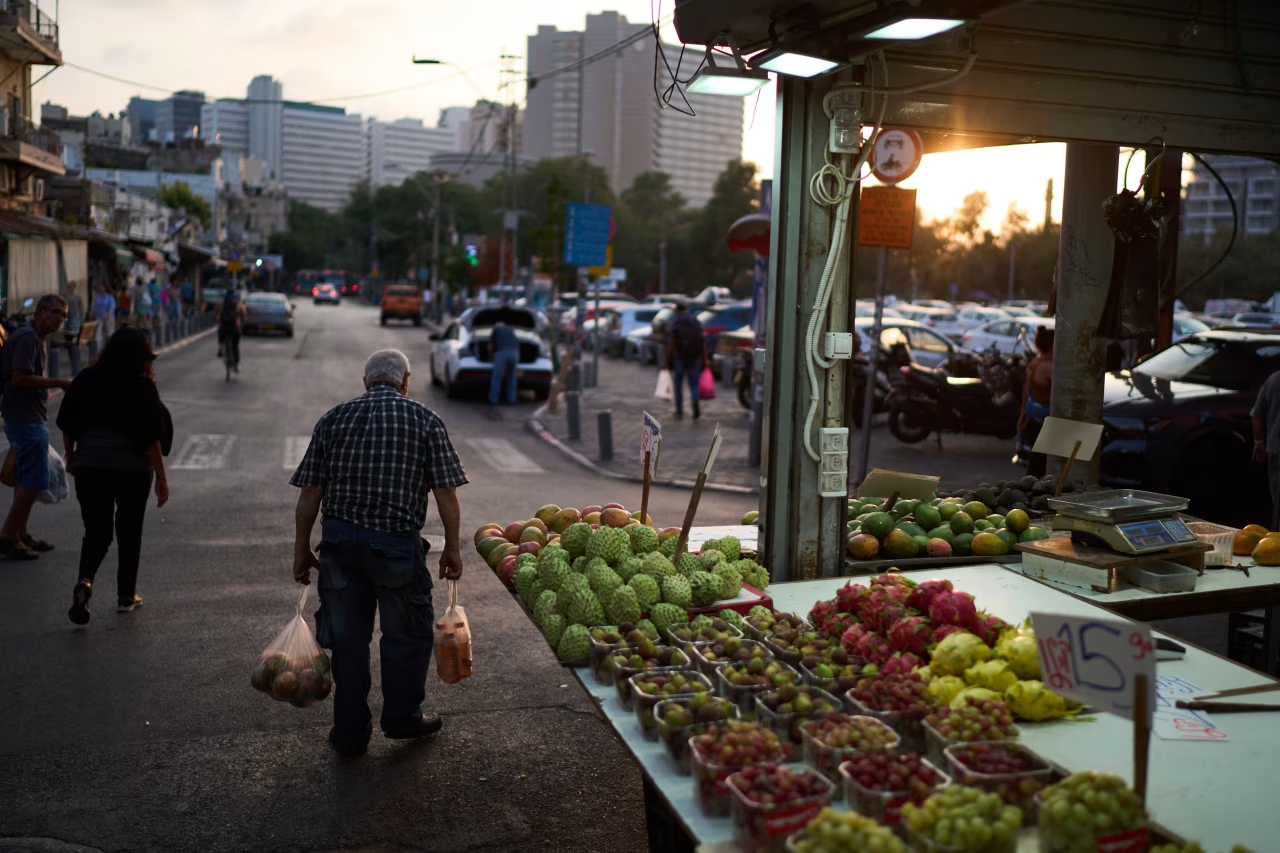
以色列在议会选举后等待新政府组建之际,其经济正随着通胀降温和科技行业蓬勃发展而势头增强。
While Israel awaits a new government after its parliamentary elections, its economy is gaining steam as inflation cools and its technology sector thrives.
这是历经三年多战争后出人意料的强劲表现。但战事让以色列的国防开支不断攀升,迫使它做出艰难抉择:如何在不牺牲维持经济增长所需投资的前提下为安全买单。
It is a surprising display of strength after more than three years of war. But the fighting has left Israel with a growing defense bill, forcing difficult choices over how to pay for security without sacrificing the investments needed to sustain economic growth.
这种经济韧性给下届政府提供了选项,但没有一个选项是轻松的。军费开支多少、是否扩大兵役范围、是增税还是削减教育和基础设施支出,都将影响以色列对抗敌人的能力,以及其经济为此买单的能力。
This economic resilience gives the next government options, but none are easy. How much it spends on the military, whether it broadens military service, and whether it raises taxes or cuts spending on education and infrastructure will influence both Israel’s ability to confront its enemies and its economy’s capacity to pay for it.
“经济表现强劲,但表面之下,前方仍有重大挑战,”以色列银行前行长、现为总部位于耶路撒冷的以色列民主研究所高级研究员的卡尼特·弗卢格说。“下届政府将面临艰难抉择。”
“The economy is performing strongly but underneath, there are big challenges ahead,” said Karnit Flug, a former governor of the Bank of Israel and now a senior fellow at the Jerusalem-based Israel Democracy Institute. “The next government will face difficult choices.”Those choices have become even more pressing amid uncertainty over American support. The U.S. provides $3.8 billion annually in military aid, about 0.5% of Israel’s gross domestic product, plus billions more in emergency wartime assistance.
在美国支持存在不确定性的背景下,这些抉择变得更加紧迫。美国每年提供38亿美元军事援助,约占以色列国内生产总值的0.5%,此外还在战时提供数十亿美元的紧急援助。
But President Trump said Tuesday that the U.S. would cut off military aid to Israel by the end of the year, suggesting the phaseout of U.S. financial assistance could occur much faster than expected. Prime Minister Benjamin Netanyahu had previously proposed that America eliminate direct military aid over the next decade.
但特朗普总统周二表示,美国将在年底前切断对以色列的军事援助,这意味着美国财政援助的逐步终止可能比预期快得多。总理本雅明·内塔尼亚胡此前曾提议,美国在未来十年内取消直接军事援助。
Flug said Washington’s contribution goes far beyond financial support, particularly its military and intelligence cooperation. “It’s very hard to actually assign to it a dollar value, but it’s extremely valuable as a part of our defense strategy,” she said.
弗卢格说,华盛顿的贡献远不止财政支持,尤其是军事和情报合作。“很难真正用美元给它定价,但作为我们国防战略的一部分,它极其宝贵,”她说。
During the election campaign, national security, the fallout from the Oct. 7, 2023, attacks and questions over Israel’s political future have dominated the debate.

在竞选期间,国家安全、2023年10月7日袭击的后续影响以及有关以色列政治未来的疑问主导了辩论。
Still, kitchen-table anxieties have also weighed on voters. In an October poll conducted for Israel’s public broadcaster Kan, 34% of respondents named the economy and cost of living as the most important issues influencing their vote, compared with 32% for national security.
尽管如此,家庭日常生计的焦虑也让选民倍感压力。以色列公共广播公司Kan在10月进行的一项民调显示,34%的受访者认为经济和生活成本是影响其投票的最重要议题,相比之下,32%的受访者选择国家安全。
Those worries stand in contrast to a macroeconomic rebound that has defied years of multifront conflict, from the post-Oct. 7 fighting to this year’s war with Iran.
这些担忧与宏观经济的反弹形成鲜明对比;从10月7日之后的战斗到今年与伊朗的战争,多年多线冲突并未能阻挡这一反弹。
The International Monetary Fund expects Israel’s economy to expand by 4.5% this year, up from a July forecast of 3.5%. That is the fastest projected rate among the members of the Organization for Economic Cooperation and Development, a group of mostly wealthy countries.
国际货币基金组织预计,以色列经济今年将增长4.5%,高于7月预测的3.5%。在主要由富裕国家组成的经合组织成员国中,这一预测增速最快。这一经济成就的背后,是企业适应能力与金融实力的结合。
Behind that economic feat is a combination of business adaptability and financial muscle.
以色列企业在过去危机的磨砺下变得坚韧,迅速适应了战时的冲击。该国还以相对较低的债务负担进入这场冲突,使政府有余地通过借贷为军队提供资金、补偿预备役人员,并让家庭和企业渡过难关。
Israeli businesses, hardened by past crises, quickly adjusted to wartime disruptions. The country also entered the conflict with a relatively low debt load, giving the government room to borrow to fund the military, compensate reservists and keep households and businesses afloat.
与此同时,资本雄厚的银行保持了信贷流动,央行——截至9月拥有约2370亿美元外汇储备——出手稳定金融市场。国内近海天然气田帮助使电价相对免受全球能源冲击的影响。
Meanwhile, well-capitalized banks kept credit flowing and the central bank—which had roughly $237 billion in foreign-exchange reserves as of September—stepped in to steady financial markets. Domestic offshore natural-gas fields helped keep electricity prices relatively insulated from global energy shocks.
然而,战争侵蚀了帮助以色列抵御这些战争的财政缓冲。今年4月,央行估计,2023年至2026年期间,与冲突相关的政府支出和其他财政成本为4050亿谢克尔,约合1300亿美元。
The wars, however, have eaten into the financial cushion that helped Israel withstand them. In April, the central bank estimated government spending and other fiscal costs related to the conflicts at 405 billion shekels, or roughly $130 billion, for the period from 2023 through 2026.
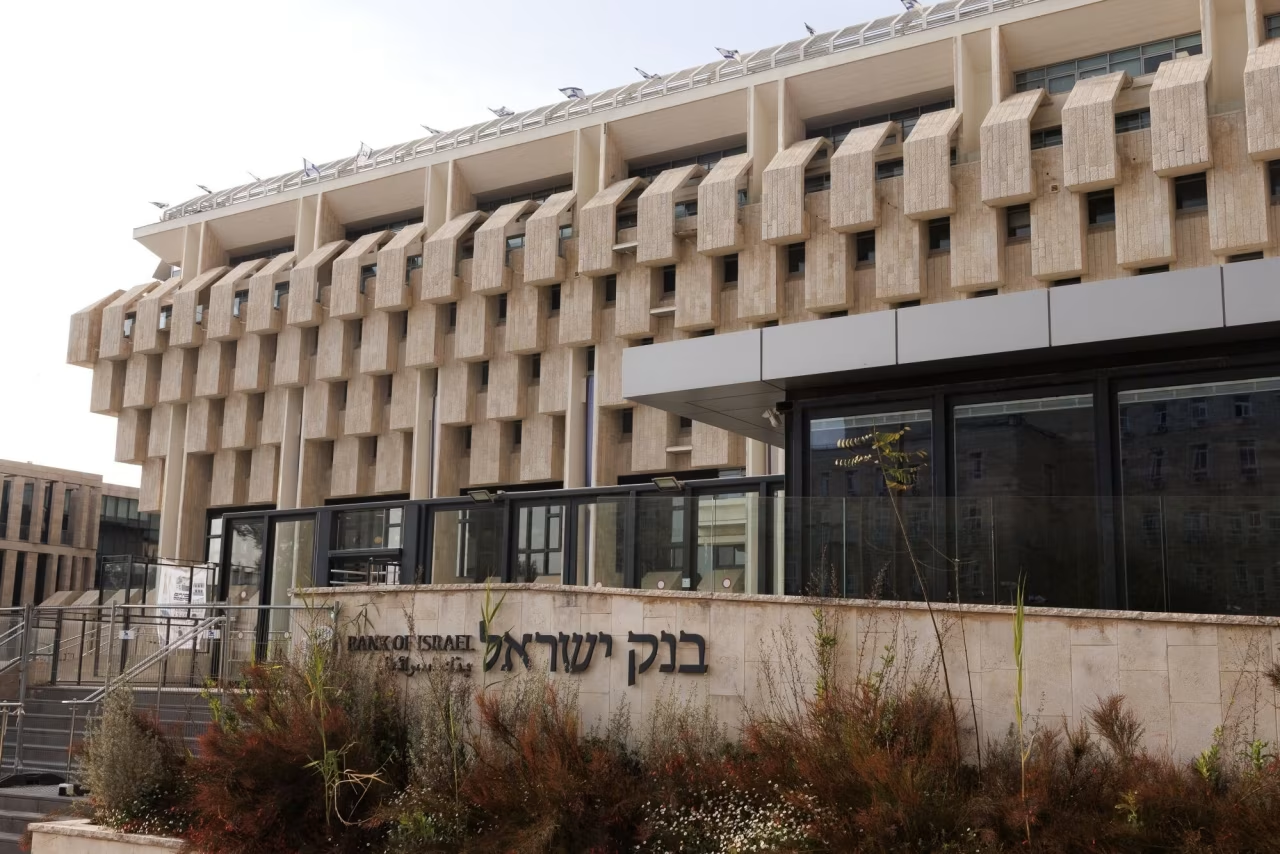
不断攀升的成本正对以色列的国库构成压力。预计今年公共债务将达到GDP的68%,高于2023年战争前约60%的水平。今年预算赤字预计将达GDP的4.4%,而2022年为盈余0.6%。
The mounting costs are putting pressure on Israel’s coffers. Public debt is forecast to reach 68% of GDP this year, up from around 60% before the 2023 war. The budget deficit is expected to reach 4.4% of GDP this year, compared with a surplus of 0.6% in 2022.
弗卢格估计,军费开支目前约占经济产出的8%,大致是战前份额的两倍。
Military spending now absorbs about 8% of economic output, roughly double its prewar share, Flug estimated.
如果军费开支维持在这一更高水平,政府将不得不增税、削减民用服务或接受更多借贷。每一种选择都会带来经济代价。弗卢格表示,进一步削减教育、医疗和基础设施开支,可能会削弱以色列未来增长的根本基础。
If that higher level of military spending persists, the government will have to raise taxes, cut civilian services or accept more borrowing. Each carries economic costs. Flug said that further cuts to education, healthcare and infrastructure could weaken the very foundations of Israel’s future growth.
“我认为我们承受不起更高的赤字,”她说,“我们需要财政空间来应对冲击。”这些取舍已经在现实中上演。10月18日,内塔尼亚胡内阁批准削减约8.4亿美元的部委预算,涉及教育、卫生和交通等领域,以资助紧急军购。此举招致反对派政界人士和公共部门专业人士的批评,他们警告称这会损害基本服务。政府则表示,这些采购是国家安全所需。
“I don’t think we can afford higher deficits,” she said. “We need the fiscal space to be able to respond to shocks.”Those trade-offs are already playing out. On Oct. 18, Netanyahu’s cabinet approved about $840 million in cuts to ministry budgets, including education, health and transportation, to fund urgent military purchases. That drew criticism from opposition politicians and public-sector professionals who warned of damage to essential services. The government said the purchases were needed for national security.
总部位于伦敦的研究机构凯投宏观表示,若选举后由内塔尼亚胡领导的政府执政,军费开支可能会维持在更高水平,进一步挤出民用投资。以色列尚未组建政府,目前也不清楚内塔尼亚胡的主要对手加迪·埃森科特若上台执政,会在军事上投入多少。
London-based research firm Capital Economics said military spending could remain higher under a Netanyahu-led government after the elections, further crowding out civilian investment. Israel has yet to form a government and it remains unclear what Netanyahu’s chief rival, Gadi Eisenkot, would spend on the military, should he come to power.
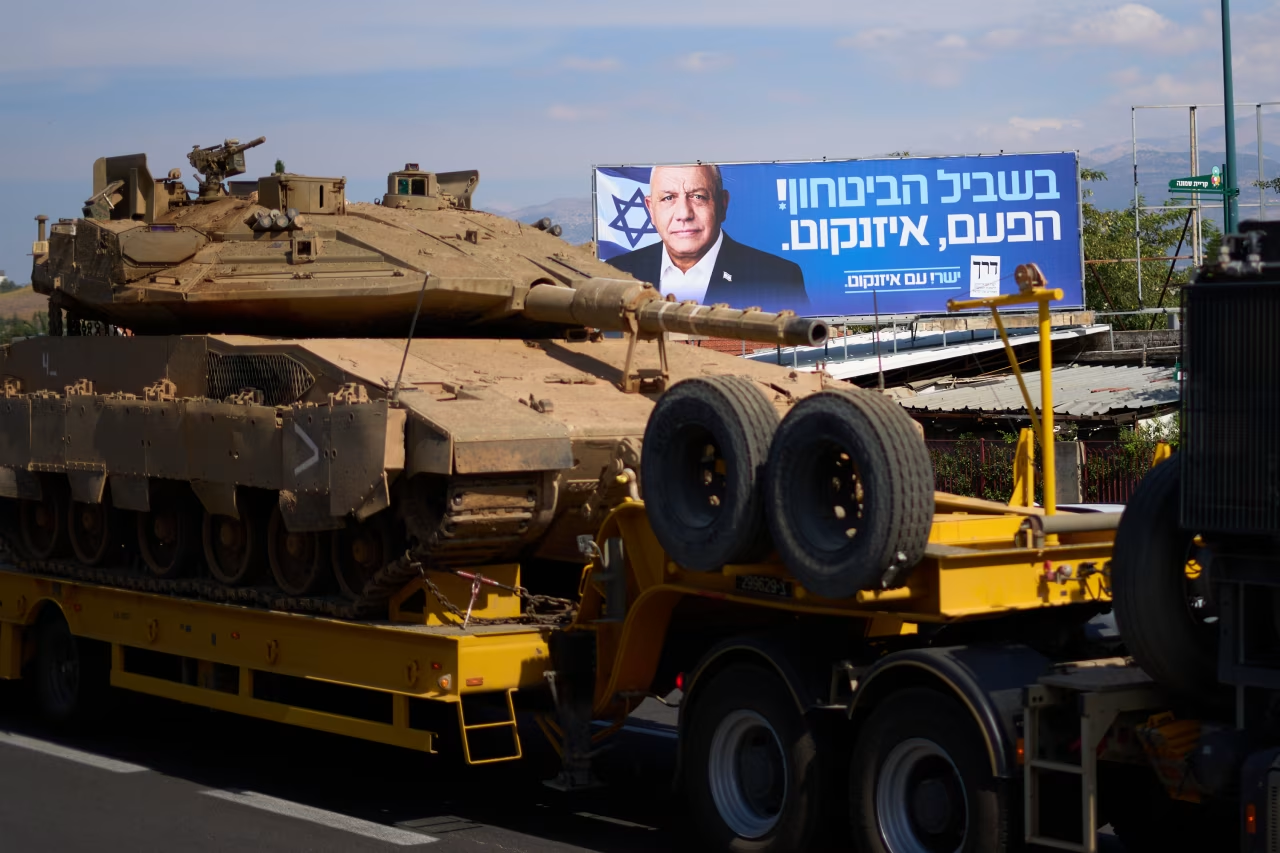
以色列主要通过预算收入和借贷来为大部分战争成本融资。凯投宏观表示,该国较低的借贷成本和庞大的国内投资者基础,使持续的军费开支处于可控范围。更大的挑战在于,必须牺牲哪些民用开支来为此买单。
Israel has financed most of its war costs through budgetary revenues and borrowing. Capital Economics says the country’s low borrowing costs and a large domestic investor base make sustained military spending manageable. The bigger challenge is what civilian spending must be sacrificed to pay for it.
凯投宏观高级新兴市场经济学家利亚姆·皮奇表示:“更高的安全与国防开支、让公共债务比率走上下降轨道,以及保留促进增长的政策,这三者之间存在矛盾。随着时间推移,这种矛盾可能会加剧。”日益加深的外交裂痕正在威胁那些曾助力以色列经济的国际关系。英国、法国和加拿大已宣布计划禁止与被占领的约旦河西岸以色列定居点进行商品贸易。
“There is a tension between higher security and defense spending, putting the public debt ratio on a declining path, and preserving growth-enhancing policies,” said Liam Peach, senior emerging markets economist at Capital Economics. “This tension is likely to grow over time.”Growing diplomatic rifts threaten the international ties that have helped power Israel’s economy. Britain, France and Canada have announced plans to ban trade in goods from Israeli settlements in the occupied West Bank.
尽管这些措施尚未达到制裁以色列整体经济的程度,但经济学家警告,不断加深的外交孤立可能危及支撑以色列出口导向型模式的贸易、投资和研究伙伴关系。
While those measures stop short of sanctioning the broader Israeli economy, economists warn that deepening diplomatic isolation could jeopardize the trade, investment and research partnerships that underpin Israel’s export-driven model.
此次选举中另一个具有关键经济影响的争议点是以色列极端正统派群体的角色。尽管以色列最高法院裁定当局必须开始征召符合条件的男性,内塔尼亚胡政府仍试图为极端正统派宗教学生保留兵役豁免。
Another dividing line in the election that carries key economic implications is the role of Israel’s ultra-Orthodox community. Netanyahu’s government has sought to preserve military-service exemptions for ultra-Orthodox religious students despite Israel’s Supreme Court ruling that authorities must begin drafting eligible men.
扩大征召范围可能减少以色列对预备役军人代价高昂的依赖,许多预备役军人必须离开平民工作岗位服役。以色列央行估计,每年额外征召7500名极端正统派男性,可能减少对预备役军人的需求,最终每年至少为经济节省90亿谢克尔,相当于GDP的0.4%。
Expanding the draft could reduce Israel’s costly reliance on reservists, many of whom must leave their civilian jobs to serve. The Bank of Israel estimates that recruiting an additional 7,500 ultra-Orthodox men annually could reduce the need for reservists, eventually saving the economy at least 9 billion shekels a year, or 0.4% of GDP.
凯投宏观预计,反对党领导的政府更有可能征召极端正统派男性服役,并减少他们不进入劳动力市场的诱因。该公司估计,如果这些改革成功,到2030年代,以色列潜在的年经济增长率可能提高多达0.5个百分点。
Capital Economics expects an opposition-led government to be more likely to recruit ultra-Orthodox men to serve and reduce their incentives for staying out of the workforce. If successful, those changes could lift Israel’s potential annual economic growth by as much as half a percentage point by the 2030s, it estimates.