随着选举之夜的尘埃落定,致力于助选詹姆斯·塔拉里科的民主党工作人员对他横扫得克萨斯州254个县的胜利幅度感到惊讶。但即便如此,有一个地区格外突出。
As the dust settled on Election Night, Democratic operatives working to elect James Talarico were surprised by the breadth of his victory across Texas’ 254 counties. But even then, one area stood out.
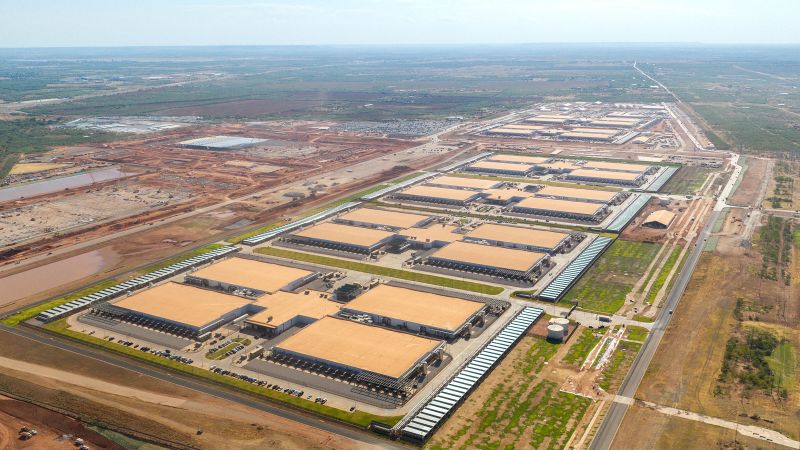
位于达拉斯东南部的考夫曼县,是两处大规模数据中心项目的所在地,这些项目引发了当地民众的强烈反对。该县最大的城市福尼已经在着手禁止在其市区范围内新建数据中心。
Kaufman County, southeast of Dallas, is the site of two massive data center projects that have sparked local backlash. The largest city in the county, Forney, is already working to outlaw new data centers within its city limits.
这个深红县是55个县之一,在这些县,支持塔拉里科的超级政治行动委员会“孤星崛起”针对拟建或已获批数据中心项目5英里范围内的选民进行宣传。该委员会向他们发送了一系列邮件和数字广告,将项目归咎于共和党候选人肯·帕克斯顿。
The solidly red county was one of 55 counties where a pro-Talarico super PAC, Lone Star Rising PAC, targeted voters within 5 miles of a proposed or approved data center project. The PAC sent them a series of mail pieces and digital ads blaming the project on the Republican nominee, Ken Paxton.
其中一份邮件写道:“警告”,邮件以选民的名字直呼其名,并补充说:“考夫曼县有一处现有或拟建的数据中心就在你附近。肯·帕克斯顿让建造数据中心变得更加容易。”塔拉里科以1个百分点的优势拿下考夫曼县,同时在全州取得惊人的12个百分点胜利,帮助民主党自1994年以来首次在得克萨斯州取得全州性胜利。
“WARNING,” one of the mailers read, addressing the voters by their first names and adding, “There is an existing or proposed data center near you in Kaufman County. Ken Paxton made it easier to build.”Talarico carried Kaufman County by 1 percentage point as he notched a striking 12-point victory statewide, helping lead Democrats to statewide victory in Texas for the first time since 1994.
这只是数据中心引发的反弹助推民主党在中期选举中取得惊人胜利的众多例子之一。从全州范围内的竞选到地方投票倡议,选民表现出对数据中心采取更强硬立场的广泛支持,甚至直接反对其继续发展。
It was one of many examples where backlash to data centers fueled Democrats’ staggering victories in the midterms. From statewide races to local ballot initiatives, voters demonstrated sweeping support for a tougher stance toward data centers, if not outright opposition to their continued development.
根据CNN的选民民调,大约四分之一的选民表示,人工智能和数据中心在中期选举中对他们的投票选择“至关重要”,但重要性仍排在生活成本和腐败等更优先议题之后。然而,当被问及在他们所在社区建设数据中心时,选民以大约3比1的悬殊比例表示反对。
About a quarter of voters said AI and data centers were “crucial” to their vote in the midterms, trailing higher priorities such as the cost of living and corruption, according to CNN’s Voter Poll. But when voters were asked about building data centers in their communities, they were overwhelmingly opposed by a roughly 3-to-1 margin.
“这是一场压倒性的、明确的、两党一致的自下而上的强烈反对,它出现在我选区的每一个角落,”密歇根州当选众议员威尔·劳伦斯(Will Lawrence)说。他早把反对数据中心作为竞选核心,成功翻转了一个由共和党把持的众议院席位。
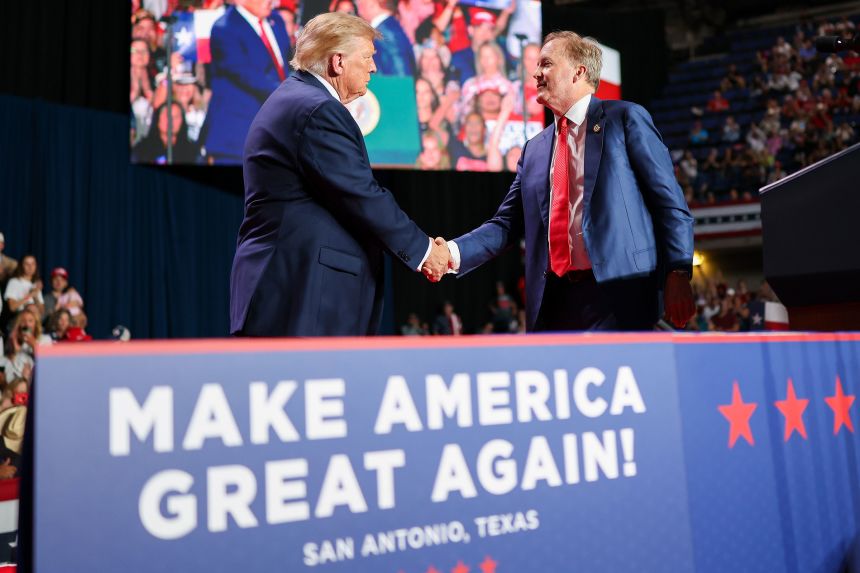
“It was overwhelming, unequivocal, bipartisan backlash from the bottom up that was showing up in every corner of my district,” said Michigan Rep.-elect Will Lawrence, who flipped a Republican-held House seat after centering his campaign early on opposition to data centers. GOP candidates had to contend with President Donald Trump’s strongly supportive stance on data centers.
共和党候选人不得不应对总统唐纳德·特朗普对数据中心的坚定支持立场。到了选举的最后几周,当特朗普开始提议将人工智能重新命名为“超级智能”时,连他似乎也承认人工智能行业面临着政治问题。一些共和党人已经在发出警告,称他们在2028年之前需要针对这一议题采取不同的策略。
By the final weeks of the election, even Trump seemed to concede the AI industry had political problems when he started proposed rebranding AI as “super intelligence.”Some Republicans are already warning they need a different strategy on the issue for 2028. The Alliance for a Better Future, a conservative AI policy group, issued a memo the day after the election arguing that it was “impossible to ignore the strong impact Super Intelligence (SI) policy had on this election and how connected it is to economic concerns in particular.”
保守派人工智能政策组织“美好未来联盟”(Alliance for a Better Future)在选举后第二天发布了一份备忘录,称“不可能忽视超级智能(SI)政策对这次选举产生的强烈影响,以及它与经济担忧的特殊关联”。该备忘录敦促共和党人在2028年到来之前“重新校准”并“纠正航向”。
The memo urged Republicans to “recalibrate” and “course correct” ahead of 2028. One GOP strategist involved in the midterms said any Republicans who want to be competitive in the next presidential race “needs a better playbook.”
一名参与中期选举的共和党战略师表示,任何希望在下一届总统竞选中具有竞争力的共和党人“都需要一本更好的战术手册”。
“The economy may have been the top issue of this election, but what people are missing is that AI and data centers drove a lot of that angst,” said one GOP strategist involved in the midterms.
“经济可能是这次选举的首要议题,但人们忽略的是,人工智能和数据中心引发了这种焦虑中的很大一部分,”一名参与中期选举的共和党战略师说,“人工智能很可能在2028年跃升至议题网格的最前端。”
“AI will likely move to the top of the issue grid in 2028.”
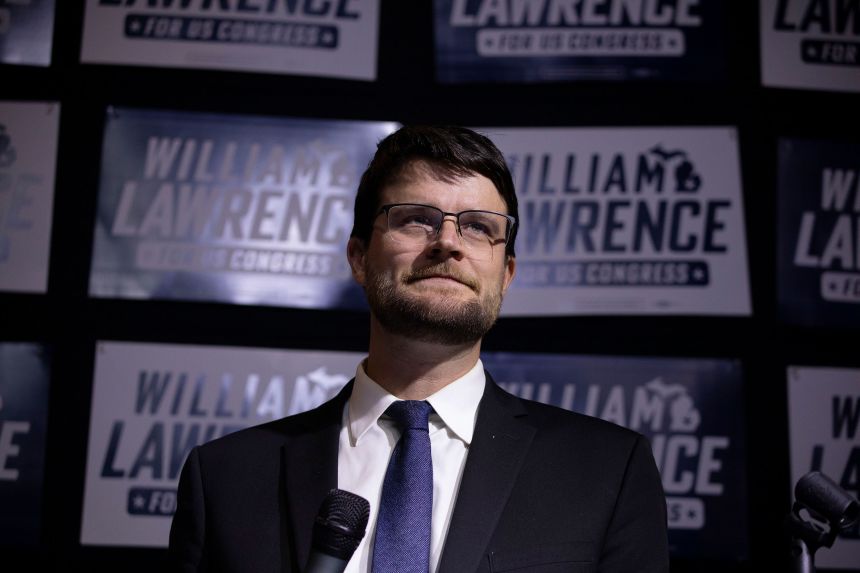
劳伦斯因其极早且极具攻击性地将竞选押注于数据中心而引人注目。他的第一条初选电视广告一开场,就是他站在一块田地的中央,警告说“科技亿万富翁想把这整片田地变成一个巨大的数据中心,这会推高你们的电费并毁掉我们房屋的价值”。当劳伦斯于2025年10月出席豪厄尔镇规划委员会会议抗议一个拟建的数据中心时,全国几乎还没有围绕数据中心的舆论风暴。这是他在整个竞选期间参加的数次此类会议之一。
Lawrence stood out for how early – and aggressively – he staked his campaign on data centers. His first TV ad of the primary opened with him standing in the middle of a field, warning that “tech billionaires want to turn this whole field into a massive data center that will jack up your energy bills and ruin our home values.”There was hardly a national firestorm over data centers when Lawrence attended a Howell Township planning board meeting in October 2025 to protest a proposed data center. It was one of several such meetings he went to throughout his campaign.
但到了中期选举结束时,很难找到一场竞选不在争论这一问题,候选人争相跟上跨越党派界限的民意。
But by the end of the midterms, it was hard to find a race where candidates were not arguing over the issue, racing to keep up with public opinion that cut across party lines.
民主党候选人总体上在数据中心问题上表态强硬,有些人,如劳伦斯,甚至推动联邦层面暂停建设数据中心。共和党人有时呼应要求新限制的呼声,但也宣扬其经济效益,并辩称这对于在人工智能竞赛中保持对中国的领先地位是必要的。
Democratic candidates generally talked tough on data centers, and some, such as Lawrence, even pushed federal moratoriums on them. Republicans at times echoed calls for new restrictions but also touted their economic benefits and arguing they were necessary to stay ahead of China in the AI race.
数据中心联盟(一个行业协会)的高级官员丹·迪奥里奥认为,该行业需要更好地向美国人展示数据中心如何能解决他们对生活成本的担忧。他辩称,弗吉尼亚州劳登县的居民因当地数据中心的繁荣而获得减税,尽管弗吉尼亚州的政治也因担心数据中心需求导致电费飙升而被重塑。“人们需要看到并感受到这一点,”他说。俄亥俄州是数据中心问题上最大的战场州之一。
Dan Diorio, a top official at the Data Center Coalition, a trade group, argued the industry needs to do a better job of showing Americans how data centers could address their concerns about the cost of living. He argued residents of Loudoun County, Virginia, are seeing tax relief due to the data center boom there, although Virginia politics have also been reshaped by concerns about spiking electricity costs due to data center demand. “People need to see it and feel it,” he said. Ohio was one of the biggest battleground states for data centers.
参议院竞选的获胜者、民主党人谢罗德·布朗将共和党现任者乔恩·赫斯特德定性为“数据中心的代言人”,引用了他作为副州长支持数据中心投资的记录。这一攻击极具杀伤力,以至于国家共和党参议员委员会在8月发布备忘录警告称,数据中心是“挂在赫斯特德脖子上的沉重锚”。国家共和党参议员委员会未就此事回复置评请求。
The winner of the Senate race, Democrat Sherrod Brown, branded GOP incumbent Jon Husted as “the face of data centers,” citing his support for data center investments as lieutenant governor. The line of attack was so potent that the National Republican Senatorial Committee issued a memo in August warning that data centers were “the anchor hanging around Husted’s neck.”The NRSC did not respond to a request for comment for this story.
赫斯特德试图在9月通过牵头立法应对数据中心导致的能源成本上涨来化解这一弱势。参议院民主党人阻止了该法案。
Husted sought to neutralize the vulnerability in September by spearheading legislation to combat rising energy costs from data centers. Senate Democrats blocked it.
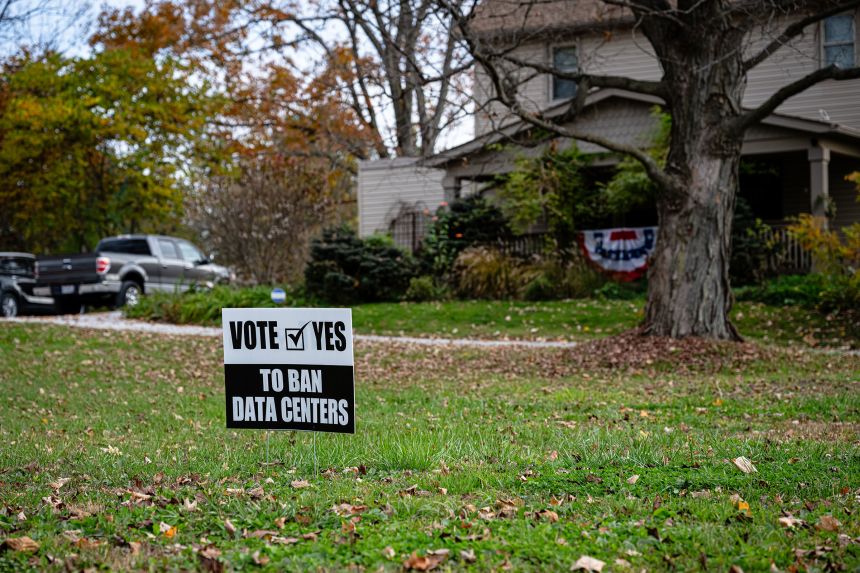
这场斗争也在地方层面上演。根据反数据中心组织“保护俄亥俄”的数据,至少10个俄亥俄州城市的选民通过了城市宪章修正案,禁止建设大型数据中心。位于哥伦布市外的格兰维尔的投票提案获得了超过80%的支持。
The battle also played out at the local level. Voters in at least 10 Ohio cities passed charter amendments to ban construction of large data centers, according to the anti-data center group Conserve Ohio. The ballot measure in Granville, which is outside Columbus, received over 80 percent support.
在另一个红州——南卡罗来纳州,民主党人安妮·安德鲁斯在参议院选举中爆出大冷门,她坚持不懈地给共和党现任议员达琳·格雷厄姆贴上“数据中心达琳”的标签。安德鲁斯夺下了曾以19个百分点优势投票支持特朗普的科莱顿县。这是安德鲁斯为反对当地数据中心开发而走访的县之一。
In another red state — South Carolina — Democrat Annie Andrews pulled off a major upset in the Senate after persistently labeling the Republican incumbent, Darline Graham, as “Data Center Darline.”Andrews flipped Colleton County, which voted for Trump by 19 percentage points. It was one of the counties that Andrews visited to speak out against local data center developments.
这个问题早在初选时就成了格雷厄姆的软肋,当时她在一次辩论中表示“我们必须拥有数据中心”。她的这一立场后来虽有所缓和,但在当时引来了多位同党共和党人的攻击。
The issue was a vulnerability for Graham as early as her primary, when she said during a debate that “we have to have data centers.”Her position, which she later moderated, drew attacks from multiple fellow Republicans at the time.
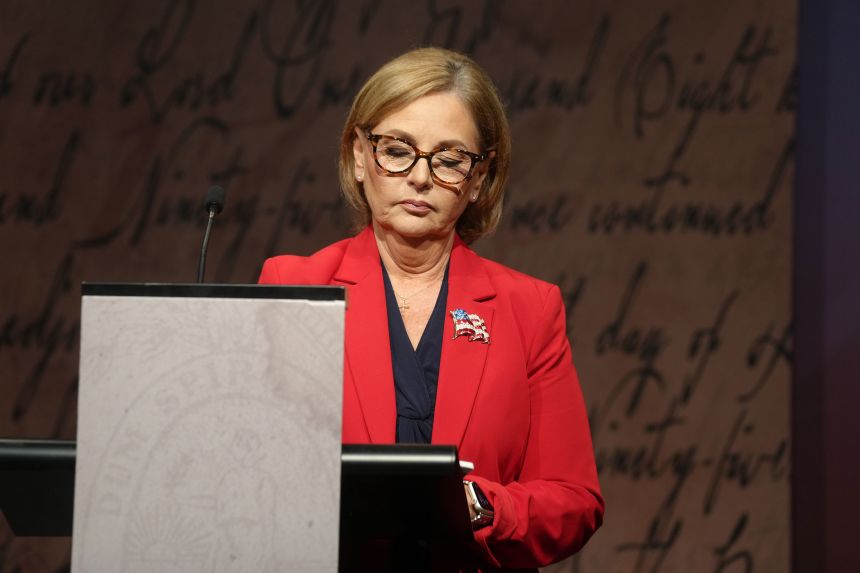
一个支持数据中心行业的新超级政治行动委员会“建设未来”在最后关头的大选冲刺中为格雷厄姆提供了支持,为其花费了250万美元。但这笔资金进一步引发了对其效忠于该行业的攻击。数据中心在其他众议院竞选中也以引人注目的方式出现。
A new super PAC aligned with the data center industry, Building the Future, made a late push for Graham in the general election, spending $2.5 million on her behalf. But that spending fueled further attacks that she was beholden to the industry. Data centers came up in notable ways in other House races.
击败威斯康星州共和党众议员布赖恩·斯泰尔的民主党人米切尔·伯曼播放了一则广告,画面中他射击了一只贴有“数据中心”标签的泥鸽。在亚利桑那州第一国会选区,民主党人阿米什·沙阿在直言不讳地表示不希望自己的选区出现任何数据中心后胜出。
Mitchell Berman, the Democrat who defeated Republican Rep. Bryan Steil of Wisconsin, ran an ad that showed him shooting a clay pigeon labeled “Data Center.”And in Arizona’s 1st Congressional District, Democrat Amish Shah prevailed after bluntly saying he did not want any data centers in his district.
沙阿的共和党对手杰伊·菲利则采取了更为微妙的立场,而周二惨败过后,一些共和党人现在正对这种立场产生怀疑。
Shah’s Republican opponent, Jay Feely, went for a more nuanced position, the kind that some Republicans are now second-guessing after Tuesday’s wipeout.
“我们必须赢得[人工智能竞赛],不能让中国赢得它,”菲利在一次媒体露面中说,“但与此同时,你必须能够与那些并不真正关心中国、也不关心我们正在进行的这场斗争、只关心自己生活的人对话。因此,你必须阐明数据中心为何必要。”
“We have to win [the AI race], we can’t let China win it,” Feely said in one media appearance, “but at the same time, you have to be able to talk to the person who doesn’t really care about China and this fight we’re in, who cares about their life. And so you have to make the argument about why data centers are necessary.”
在拥有全美第二多数据中心的得克萨斯州,塔拉里科并非唯一一位以打击数据中心为竞选纲领并赢得全州选举的候选人。当选州长吉娜·伊诺霍萨比塔拉里科走得更远,呼吁暂停数据中心建设,直到立法机构能够通过“真正的保护措施”。
In Texas, home to the second most data centers in the country, Talarico was not the only statewide winner who ran on cracking down on data centers. Gov.-elect Gina Hinojosa went further than Talarico did and called for a moratorium on data centers until the Legislature could pass “real protections.”

“我们需要停止我们在数据中心方面的做法,直到我们拥有那些保护措施,”伊诺霍萨周四在接受CNN记者杰克·塔珀采访时说。“我们可以拥有强劲的经济、强劲的产业,以及对得克萨斯州民众的保护。这些事情并不互相排斥。”
“We need to stop what we are doing with data centers until we have those protections,” Hinojosa told CNN’s Jake Tapper on Thursday. “We can have a strong economy, strong industry and protections for the people of Texas. Those things are not mutually exclusive.”
伊诺霍萨击败了共和党籍州长格雷格·阿博特,后者花费数月时间试图通过行政行动抢占该议题的主动权,甚至因“反对数据中心”而遭到特朗普的斥责。在参议院方面,帕克斯顿同意塔拉里科关于某些数据中心限制的观点——但也表示有“大量开阔空间”远离居民区,可以在那里建设数据中心。这一言论成为支持塔拉里科团体投放的数字广告的核心内容,该广告针对居住在项目附近的人群。
Hinojosa toppled GOP Gov. Greg Abbott, who spent months trying to get ahead of the issue with executive actions, even drawing a rebuke from Trump for being “against data centers.”In the Senate, Paxton agreed with Talarico on some data-center restrictions – but also said there were “plenty of open spaces,” away from neighborhoods, where data centers could be built. That comment was front and center in a digital ad from the pro-Talarico group targeted at people who lived near projects.
塔拉里科本人曾播放过一则广告,他在广告中穿行于一个数据中心施工现场,试图解释“数据中心为帕克斯顿提供资金支持,他们获得了税收减免,而你们却要买单”。
Talarico himself ran an ad where he walked through a data center construction site, seeking to explain how “data centers bankroll Paxton, they get tax breaks and you get stuck with the bill.”
“当它与更广泛的关切联系在一起时,它是最有效的,”中期选举中将自己定位为人工智能行业抗衡力量的“护栏联盟”政治主管查理·布莱特勒表示。“我认为,有很多强烈反对声音集中在围绕数据中心项目的局部争斗上,但我认为许多候选人在将其与负担能力和腐败联系起来方面做得很好。” 尽管一些人工智能行业的倡导者正在舔舐伤口,但他们已经开始展望2028年。这其中包括“引领未来”,这个主要的行业阵营超级政治行动委员会在中期选举中主要支持了安全选区的候选人。
“It was most effective where it was tied into broader concerns,” said Charlie Blaettler, political director for the Guardrails Alliance, which positioned itself as a counterweight to the AI industry in the midterms. “I think there was a lot of backlash that was centered on localized fights over data center projects, but I think a lot of candidates did a good job of tying it to affordability and corruption.”Even as some AI industry advocates lick their wounds, they’re already looking ahead to 2028. That includes Leading the Future, the main industry-aligned super PAC that mostly backed midterm candidates in safe seats.
“我们致力于开展多周期的工作,2028年将展现出谁真正关心通过一项关于人工智能的国家监管框架,以及谁想要将一个对我们国家未来极其重大的议题政治化,”该超级政治行动委员会发言人杰西·亨特在一份声明中表示。
“We are committed to a multi-cycle effort and 2028 will show who actually cares about passing a national regulatory framework on AI and who wants to politicize an issue that’s extremely consequential to the future of our country,” Jesse Hunt, a spokesperson for the super PAC, said in a statement.