在选民对人工智能和数据中心的怀疑日益加深之际,全美各地的民主党人在选举中大获全胜,如今他们正面临着棘手的讨论:如何应对人工智能监管,以及哪些技术影响最值得优先关注。这是据人工智能专家、策略师和立法者本人透露的。
Democrats across the country who swept into power amid growing voter skepticism about AI and data centers are now reckoning with knotty discussions about how to tackle AI regulation and which technological impacts deserve their attention first, according to AI experts, strategists and legislators themselves.
在五彩纸屑飘洒、拨开选举日气球的庆祝氛围中,中期选举获胜者谈及的议题广泛——从数据中心到医疗保健。新罕布什尔州当选参议员克里斯·帕帕斯抨击这些设施“损害我们的社区和福祉”;明尼苏达州当选参议员佩吉·弗拉纳根则承诺限制人工智能系统在保险决策中的使用。
Dusted with confetti and batting away Election Day balloons, midterm victors touched on everything from data centers — Sen.-elect Chris Pappas of New Hampshire railed against the facilities that “harm our communities and our well-being” — to healthcare, as Sen.-elect Peggy Flanagan of Minnesota committed to restricting the use of AI systems in insurance decisions.
这种重燃的人工智能监管呼声,与唐纳德·特朗普总统的立场背道而驰。特朗普坚持认为,国会必须限制针对人工智能的监管,否则将阻碍美国的人工智能创新。特朗普曾多次将人工智能称为“下金蛋的鹅”,并把数据中心称为稳健的经济投资。
The renewed calls for AI regulation are at odds with President Donald Trump’s insistence that Congress must limit AI-focused regulation or risk hampering American AI innovation. Trump has repeatedly referred to AI as a “golden goose” and data centers as sound economic investments.
目前尚不清楚周二的选举结果,是否会为有意义的两党人工智能立法创造新契机——议员们留意到选民对人工智能的强硬态度——还是说会导致民主党内部、国会和华盛顿陷入混乱的内斗。
It is unclear whether Tuesday’s results could create a new opening for meaningful bipartisan AI legislation — with representatives mindful of voters’ AI hawkishness — or instead result in messy infighting within the Democratic Party, Congress and Washington.
“凡是我交谈过的众议院民主党人,都希望看到人工智能监管,”即将就职的众议员斯科特·维纳说道。他在加州州一级推动了关于人工智能的立法,将代表旧金山。“对于监管应采取何种形式,可能存在不同想法,但我认为采取行动拥有广泛支持。”
“Every Democrat in the House I’m speaking to wants to see AI regulation,” said incoming representative Scott Wiener, who pioneered California’s state-level regulation about AI and will represent San Francisco. “There may be different ideas about what that should be, but I think there’s broad support to take action.”
一些民主党人,如俄亥俄州的谢罗德·布朗,将关注点集中在数据中心上。数据中心常被视为人们对模糊的人工智能担忧的具象化体现,在一些地区,它们给电网和水资源带来了压力。“我不是为数据中心工作的,”他在周二晚间表示,所在的州拥有全美最高密度的此类设施之一。其他人,如成功连任的参议员……佐治亚州的乔恩·奥索夫也强调了该技术的灾难性风险。
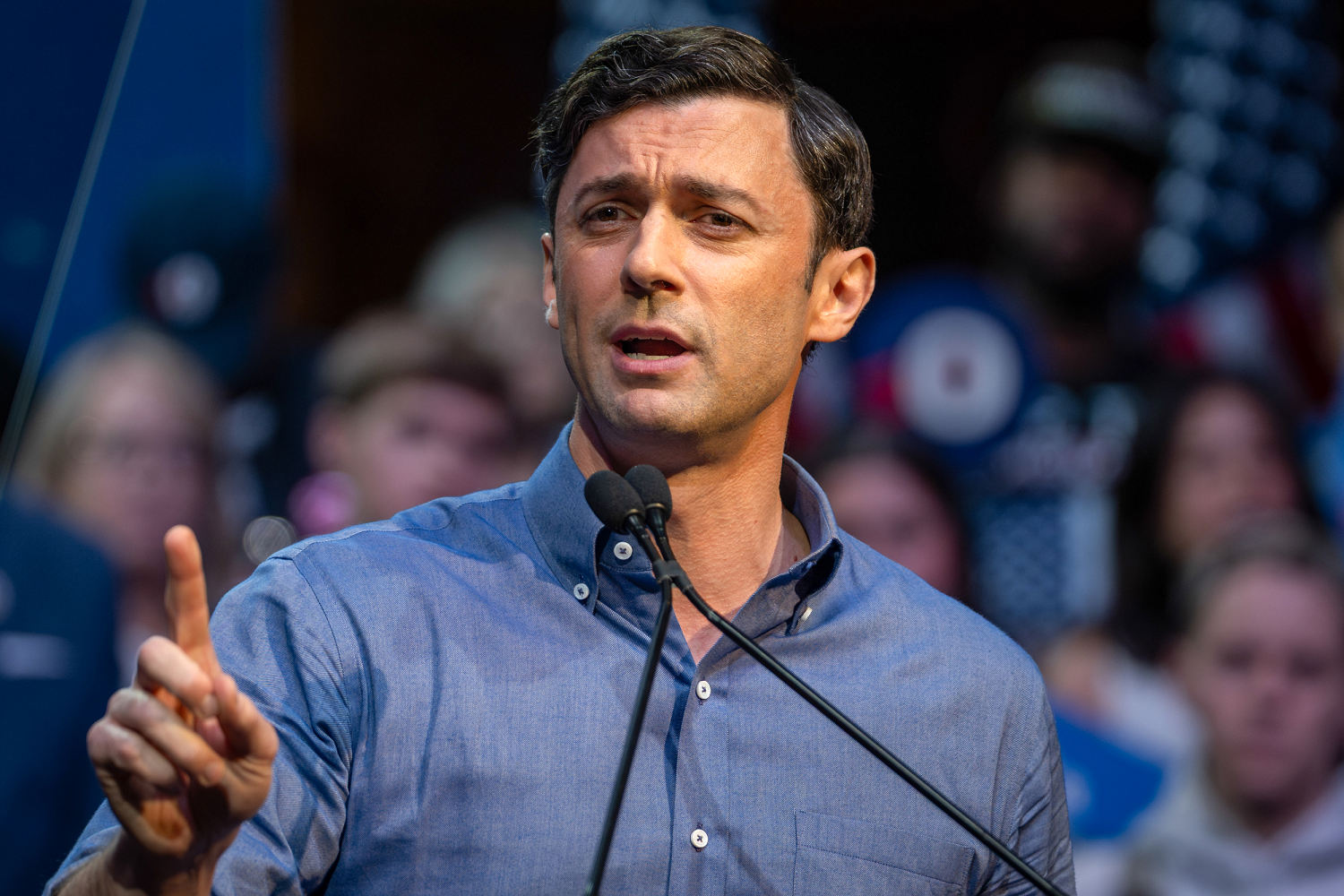
Some Democrats, like Ohio’s Sherrod Brown, have focused their attention on data centers, often viewed as the physical manifestation of nebulous AI worries and which have stressed electrical grids and water supplies in some areas. “I do not work for data centers,” he said Tuesday night in a state that has one of the highest concentrations of the facilities in the country. Others, like re-elected Sen. Jon Ossoff of Georgia, have also highlighted the technology’s catastrophic risks.
“硅谷的巨头们为自己挖掩体,并警告他们正在创造的人工智能有导致人类灭绝的风险,”他在胜选演讲中说。民调和评论员一致认为,人工智能在选举中发挥了重要作用。“六个月前,如果你告诉我56%的选民离开投票站时表示,对人工智能的担忧对他们的投票至关重要或很重要,我会像看长了10个脑袋的人一样看着你,”总部位于华盛顿特区的监督和倡导组织“科技监督项目”创始人兼首席执行官萨查·霍沃思说。
“The titans of Silicon Valley dig bunkers for themselves and warn that the artificial intelligence they’re creating risks human extinction,” he said in his victory speech. Polls and pundits agree that AI played a significant role in the election. “Six months ago, if you had told me that 56% of voters would have left their polling places stating that concerns about AI were crucial or important to their vote, I would have looked at you like you had 10 heads,” said Sacha Haworth, founder and CEO of the Tech Oversight Project, a Washington, D.C.-based watchdog and advocacy group.
然而,一些人工智能专家预测,民主党在人工智能优先事项上的多样性可能导致政策路线分裂和立法被稀释,而党内其他人工智能领域的领袖则预测会有更合作的结果。“我认为民主党将难以协调他们自己在这个问题上的观点,”右倾华盛顿智库“美国创新基金会”的人工智能政策主管塞缪尔·哈蒙德说。他强调了由参议员伯尼·桑德斯(无党籍-佛蒙特州)倡导的禁止人工超级智能(指在所有认知任务上都比人类更聪明的系统)等提案,与更新许可指南以建设发电厂和其他人工智能相关基础设施等更务实的努力之间的距离。
Yet some AI experts predict that the variety of Democrats’ AI priorities could lead to fractured policy approaches and watered-down legislation, while other party leaders on AI predicted a more cooperative result. “I think the Democrats are going to have a hard time wrangling their own perspectives on this,” said Samuel Hammond, director of AI policy at the Foundation for American Innovation, a right-leaning Washington, D.C., think tank. He highlighted the distance between proposals like the one championed by Sen. Bernie Sanders, I-Vt., to ban artificial superintelligence — referring to systems smarter than humans at all cognitive tasks — and more prosaic efforts to update permitting guidelines to build power plants and other AI-related infrastructure.
纽约州众议员亚历克斯·博雷斯撰写了美国最实质性的人工智能立法之一——“RAISE法案”,他持不同意见。他将候选人不同的优先事项视为一种优势,这将使国会能够同时解决许多关键的人工智能政策倡议。他说:“只要我们共同努力,确保保护美国人民免受这项技术以许多不同方式造成的伤害,多种政策路线就是‘良性且健康的’。”
Alex Bores, a New York Assembly member who authored one of the country’s most substantial pieces of AI legislation — the RAISE Act — disagreed. He framed candidates’ differing priorities as an asset that will allow Congress to tackle many critical AI policy initiatives simultaneously. Multiple policy approaches are “good and healthy as long as we’re working together to ensure that we are protecting the American people from the many different ways that this technology could harm people,” he said.
“我们在人工智能领域还有大量工作要做,这关乎谁有权决定我们要构建什么。”博尔斯还表示,支持人工智能的资金对某些候选人已被证明是有毒的,他指出,支持人工智能的超级政治行动委员会“引领未来”所支持的候选人遭遇了重大失利。该组织今年早些时候在博尔斯自己的国会初选竞选中也投入了巨资反对他,他以微弱劣势落败。
“There is so much that we have to do in AI, foundational to who gets to decide what we’re building.”Bores also said that pro-AI funding had proved toxic to some candidates, pointing to significant losses for candidates supported by pro-AI super PAC Leading the Future. The organization also spent heavily against Bores in his own primary campaign for Congress earlier this year, which he narrowly lost.
人工智能专家还预测,在新的政治格局下,华盛顿之前的人工智能提案很可能会被大幅重塑。在大选前,由众议员杰伊·奥伯诺尔特(共和党-加利福尼亚州)和洛里·特拉汉(民主党-马萨诸塞州)共同发起的一项两党法案——名为“前沿法案”(FRONTIER Act)——已在华盛顿推进,被视为最有可能通过的立法之一。该法案将要求对最先进的人工智能系统加强独立测试和监督,并强制要求领先的人工智能公司制定并发布以安全为重点的计划。
AI experts also predicted that Washington’s previous AI proposals would likely be significantly reimagined under the new political order. Before the election, a bipartisan bill co-sponsored by Reps. Jay Obernolte, R-Calif., and Lori Trahan, D-Mass., called the FRONTIER Act had worked its way through Washington as one of the most likely pieces of legislation to pass. The bill would require increased independent testing and oversight of the most advanced AI systems and mandate that leading AI companies create and publish safety-focused plans.
然而,奥伯诺尔特面临着一场异常激烈的连任竞选。据美国全国广播公司新闻部报道,截至周日早晨,他的竞选结果尚未揭晓。近年来,国会未能通过重要的人工智能法律,很大程度上是因为特朗普反对监管。总统及其盟友(其中许多人来自硅谷科技圈)坚持认为,立法将扼杀美国经济和人工智能产业。“美国各地社区不想要数据中心的唯一理由,是如果他们想最终变得落后和贫穷,”特朗普在8月下旬的一条“真相社交”帖子中写道。
However, Obernolte has faced an unusually competitive re-election battle. As of Sunday morning, his race had not been decided, according to NBC News. Congress has not passed a significant AI law in recent years, in large part because Trump has opposed regulation. The president and his allies, many of whom hail from Silicon Valley’s tech circles, have insisted that legislation will stifle America’s economy and the AI industry. “The only reason that communities throughout the U.S.A. should not want Data Centers is if they want to end up being backwards and poor,” Trump wrote in a Truth Social post in late August.
特朗普政府一再支持联邦法案,这些法案将取代或覆盖州级立法。前白宫人工智能事务主管、现任总统科技顾问委员会主席大卫·萨克斯表示,州法律将导致有害的立法“拼凑拼凑”。
The Trump administration has repeatedly endorsed federal bills that would pre-empt, or override, state-level legislation. David Sacks, the former White House AI czar and current chair of the President’s Council of Advisors on Science and Technology, has said that state laws would lead to a harmful “patchwork” of legislation.
然而,根据美国创新基金会的哈蒙德表示,周二的结果显示出两党在通过有意义的人工智能立法方面的兴趣日益增加。“人工智能不像大多数其他问题那样,在左右派之间存在严重的两极分化,”他说。“中期选举后,我认为共和党人将减少来自科技资金的压力,并且至少在短期内,拥有更大的自由度来表达他们对人工智能的类似担忧,”他补充道。
Yet Tuesday’s results point to increasing bipartisan interest in passing meaningful AI legislation, according to the Foundation for American Innovation’s Hammond. “AI is not nearly as left-right polarized as most other issues,” he said. “Post-midterms, I think Republicans will feel less pressure from tech money and have, at least in the short run, greater degrees of freedom to express their parallel concerns about AI,” he added.