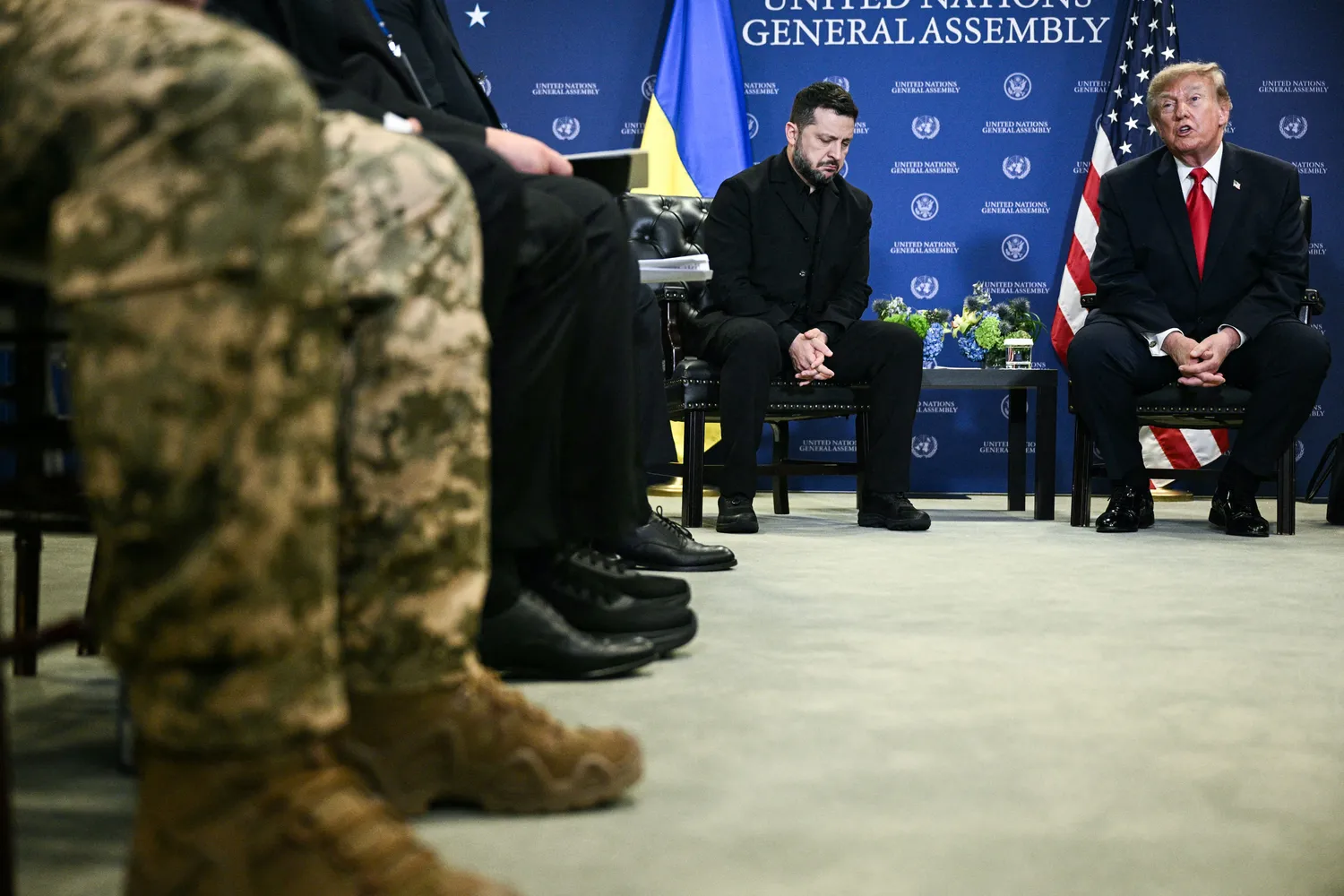
11月10日,在阿布扎比,一套熟悉的外交程序将在停摆九个月后重启:美国、俄罗斯和乌克兰之间的直接三方会谈。美国特使史蒂夫·威特科夫表示,会议将涵盖“战后安全安排、降级局势、人道主义努力以及通往和平的下一步行动”。议程听起来与特朗普政府过去两年的各种努力惊人地相似。有什么理由认为这一轮外交能产生不同的结果?
On November 10th, in Abu Dhabi, a familiar set piece will resume after a nine-month hiatus: direct, three-way talks between the United States, Russia, and Ukraine. The U.S. special envoy Steve Witkoff said that the meeting would cover “post-war security arrangements, de-escalation, humanitarian efforts, and next steps toward peace.”The agenda sounds awfully similar to previous efforts made by the Trump Administration during the past two years. Is there any reason to think that this round of diplomacy could produce a different result?
在唐纳德·特朗普治下,美国对待这场战争的做法似乎剧烈摇摆——例如,制裁俄罗斯石油公司,随后又放宽对俄罗斯燃料出口的限制;或者鼓励乌克兰对俄罗斯纵深实施打击,随后又谴责这些打击。这些不一致掩盖了一套惊人持久的假设。最重要的是,特朗普希望迅速结束战争,这本身就是一项成就:展示他作为和平缔造者的独特能力,并打开他所设想的与俄罗斯建立富有成果且有利可图的关系的大门。
Under Donald Trump, the U.S. approach toward the war has appeared to swing wildly—for example, sanctioning Russian oil companies, only to ease restrictions on Russian fuel exports; or encouraging Ukrainian deep strikes inside Russia and later condemning them. These inconsistencies mask a set of remarkably durable assumptions. Above all, Trump wants to end the war quickly, an achievement in itself: a demonstration of his singular powers as a peacemaker and a means of unlocking what he imagines as a fruitful and profitable relationship with Russia.
也就是说,他不那么关心“怎么做”,而更关心“做什么”。不必相信“克格勃档案”说,也能理解为什么特朗普一次次最终都站在弗拉基米尔·普京的立场和利益一边。他认为,俄罗斯凭借更大的经济体量、人口和军队,注定会获胜——“到了某个时候,体量会赢”,特朗普去年说——因此向较弱一方施压似乎是达成和解的最快途径。
That is, he is less concerned with the how than with the what. One doesn’t have to believe in kompromat to understand why Trump, time and again, ends up favoring Vladimir Putin’s position and interests. He believes that Russia, with its larger economy, population, and Army, is destined to prevail—“At some point, size will win,” Trump said last year—and so applying pressure to the weaker party can seem like the quickest path to a settlement.
此外,在特朗普看来,鉴于俄罗斯拥有石油、天然气和宝贵的矿产储备,与俄罗斯的关系比与乌克兰的关系能带来更多经济红利,无论是对美国还是对特朗普自己的家庭成员和伙伴而言。“这对生意来说太棒了”,特朗普去年9月谈到战争结束的前景时说。“俄罗斯拥有很棒的土地,非常有价值的土地。”
Moreover, as Trump sees it, relations with Russia, given its oil and gas and valuable mineral reserves, offer more economic upside than relations with Ukraine would, both for the U.S. and for Trump’s own family members and associates. “It’d be great for business,” Trump said, in September, of the prospect of an end to the war. “Russia’s got great land, very valuable land.”
从一开始,威特科夫和他在俄乌谈判中的搭档贾里德·库什纳,就把类似的一套动机投射到了普京身上。除了过度赞扬——上个月,威特科夫称普京是“人道主义者”——他们的战术建立在一个交易性主张上:共同致富肯定比继续战争更好,而剩下的任何政治问题都可以通过决定哪一方得到哪块地产来解决。“他们似乎认为,本质上可以收买他”,一位欧洲情报官员谈到威特科夫和库什纳时说。
From the outset, Witkoff and his partner in the Russia-Ukraine talks, Jared Kushner, have projected a similar set of motives onto Putin. Beyond extravagant praise—last month, Witkoff called Putin a “humanitarian”—their tactic has rested on a transactional proposition: surely getting rich together is preferable to continuing the war, and whatever political problems remain can be resolved by deciding which side gets which piece of real estate. “They seem to have the idea that you can essentially buy him off,” a European intelligence official said, of Witkoff and Kushner.
“如果你能想办法付给他足够的代价,让他觉得划算,无论是用土地还是金钱,就能让他同意达成协议。”困境在于,就战争而言,普京是受历史使命感指引的。当然,他希望看到西方制裁解除,并让俄罗斯占领乌克兰东部顿巴斯的全部领土,这是一个关键目标,但俄罗斯军队尽管已战斗近五年,仍未能实现。(“没有消息就是坏消息”,俄罗斯国防圈的一位消息人士告诉我。
“If you can just figure out a way to pay him enough, make it worth his while, whether with land or money, then you can get him to agree to a deal.”The dilemma is that, as far as the war is concerned, Putin is guided by a sense of historical mission. Of course, he would like to see Western sanctions lifted and Russia capture the whole of the Donbas, in eastern Ukraine, a key aim that Russia’s military, despite nearly five years of fighting, has been unable to fulfill. (“No news is bad news,” a source in Russian defense circles told me. “There’s little movement on the ground, the troops are exhausted, and everything is being done ass-backwards.”)
“当地几乎没有进展,部队已疲惫不堪,一切都在本末倒置地进行。”)但即便是这些目标,也属于一个更大野心的一部分:纠正克里姆林宫所称的这场战争的“根源”所涉及的一系列地缘政治积怨。“普京想决定乌克兰的地缘政治取向,并在欧洲安全问题上拥有发言权,”卡内基俄罗斯欧亚中心的政治分析师塔季扬娜·斯塔诺瓦娅说。
But even these objectives are part of a larger ambition: righting a set of geopolitical grievances that the Kremlin refers to as the “root causes” of the war. “Putin wants to determine Ukraine’s geopolitical orientation and have a say over security in Europe,” Tatiana Stanovaya, a political analyst at the Carnegie Russia Eurasia Center, said.
克里姆林宫最初希望特朗普能够达成一项宏大的地缘政治交易,这意味着不仅要向基辅施压,也要向欧洲施压。但事实证明,特朗普无力满足这一期望。上月,普京的外交政策顾问尤里·乌沙科夫指出,当特朗普与普京于2025年8月在阿拉斯加会晤时,看起来“美国政府或许能够发号施令,迫使基辅服从”。但乌沙科夫说,“这事实际上并没有成。”
The Kremlin initially hoped that Trump could deliver on a grand geopolitical bargain, which meant bending not just Kyiv’s arm but Europe’s, too. But Trump proved incapable of meeting that expectation. Last month, Yuri Ushakov, Putin’s foreign-policy adviser, noted that, when Trump and Putin met in Alaska, in August, 2025, it looked as if “the U.S. administration might be able to dictate something and force Kyiv to comply.”But, Ushakov said, “This hasn’t really worked out.”
然而,特朗普此前试图施压和哄劝乌克兰总统弗拉基米尔·泽连斯基的种种尝试——比如当年2月他在椭圆形办公室对泽连斯基大发雷霆——却带来了特朗普本人所呼吁的结果:欧洲国家已带头支撑乌克兰的防务。“那次会面之后,一种新模式出现了,”在基辅人脉广泛的前欧洲外交官巴拉兹·亚拉比克说。“欧洲人出钱”——欧盟已承诺提供900亿欧元贷款,但美国的援助已降至数亿美元,只是此前水平的一小部分——“这让乌克兰国家得以维持运转,并购买美国武器。”
However, Trump’s previous attempts to pressure and cajole Ukraine’s President, Volodymyr Zelensky—such as his Oval Office blowup aimed at Zelensky, in February of that year—led to an outcome that Trump himself called for: European countries have taken the lead in backstopping Ukraine’s defense. “After that meeting, a new model emerged,” Balázs Jarábik, a former European diplomat with extensive connections in Kyiv, said. “The Europeans provide the money”—the E.U. has committed ninety billion euros in loans, but U.S. aid has fallen to several hundred million dollars, a fraction of earlier levels—“which keeps the Ukrainian state afloat and buys U.S. weapons.”
近几周,特朗普尝试了另一种做法:他开始向莫斯科提供激励,不是作为和平解决方案达成后才兑现的奖励,而是在协议达成之前就给予的好处。这一转变符合特朗普长期以来的逻辑:结束战争最快的途径就是迎合俄罗斯的利益,并施压乌克兰接受结果。但这也反映了特朗普与伊朗开战所带来的政治后果。在上周中期选举之前,他对不断上涨的油价变得更加敏感,自战争开始以来油价已上涨50%,柴油则上涨70%。
In recent weeks, Trump tried a different approach: he began offering Moscow incentives not as rewards to be delivered upon a peace settlement but as benefits granted before one has been reached. The shift is consistent with Trump’s long-standing logic: the quickest route to ending the war lies in accommodating Russian interests and pressuring Ukraine to accept the result. But it was also a reflection of the political fallout from Trump’s war with Iran. Ahead of last week’s midterm elections, he grew even more sensitive to rising gas prices, up by fifty per cent since the start of the war, seventy per cent in the case of diesel.
他特别提到乌克兰打击俄罗斯炼油厂及其他能源基础设施的行动。“我们告诉他,你想怎么做都行,但别打柴油,”特朗普上月谈到泽连斯基时说。
He singled out Ukraine’s campaign to strike Russian oil refineries and other energy infrastructure. “We told him, do whatever you want, but don’t hit the diesel fuel,” Trump said last month, of Zelensky.
“然后他干了什么?他去搞柴油交易。”10月9日,特朗普宣布与普京达成一项柴油协议,根据该协议,俄罗斯将向美国和全球市场释放数十万吨柴油,而美国暂时解除对俄罗斯能源出口的制裁限制。
“And what does he do? He goes and hits the diesel fuel.”On October 9th, Trump announced a diesel deal with Putin, under which Russia would release hundreds of thousands of tons of diesel into American and global markets, while the U.S. temporarily lifted sanctions restrictions on Russian energy exports.
对双方而言,这项协议更多关乎信号释放,而非实质内容。美国是柴油净出口国,俄罗斯能够可信地出口的数量几乎不会影响全球价格。“这不会给美国市场带来那么多柴油,也不会给俄罗斯预算带来那么多收入,”卡内基俄罗斯欧亚中心能源分析师谢尔盖·瓦库连科说。该举措也没能为共和党在上周的选举中带来多少好处。
For both sides, the deal was more about messaging than substance. The U.S. is a net exporter of diesel, and the amount that Russia can credibly export will barely affect global prices. “It won’t bring that much diesel to the U.S. market nor all that much money to the Russian budget,” Sergey Vakulenko, an energy analyst at the Carnegie Russia Eurasia Center, said. The move didn’t yield much benefit for Republicans in last week’s election, either.
但对俄罗斯来说,这是西方制裁因政治权宜而被放松的一个例证。“隔离带已被突破,”瓦库连科说。(然而,这一突破可能更多停留在言辞层面而非行动层面:11月初,两艘装载俄罗斯柴油的油轮在海上掉头返航,此前有警告称进口俄罗斯燃料可能违反美国法律。)更关键的是,10月间的十天里,乌克兰在使用“星盾”——SpaceX“星链”卫星通信技术的军事应用——操作无人机时,面临突如其来且无法解释的速度限制。
But, for Russia, it was an example of how Western sanctions can be dialled back for the sake of political expediency. “The cordon sanitaire has been breached,” Vakulenko said. (That breach, however, may prove more in word than in deed: in early November, two tankers carrying Russian diesel turned around at sea amid warnings that imports of Russian fuel could violate U.S. law.) More consequently, for ten days in October, Ukraine faced sudden and unexplained speed limitations when operating drones using Starshield, a military application of SpaceX’s Starlink satellite-based communication technology.
实际上的时速100英里(约160公里)上限意味着,乌克兰新一代喷气式拦截无人机无法追上俄罗斯日益高速的“格拉尼”系列喷气式无人机,后者飞行速度超过每小时300英里(约480公里)。与此同时,这些限制阻碍了乌克兰所谓的“中程打击”无人机行动,该行动针对俄罗斯军队的后勤纵深,对扰乱和延缓俄军在整条前线的推进至关重要。
The de-facto speed cap of a hundred miles per hour meant that Ukraine’s new generation of jet-powered interceptor drones could not catch Russia’s increasingly fast jet-powered drones in the Geran family, which fly at speeds of more than three hundred miles per hour. At the same time, the restrictions hampered Ukraine’s campaign of so-called middle-strike drone operations, which target the Russian military’s logistical rear and have been crucial in disrupting and slowing Russian advances across the front.
数天来,无论是乌克兰军方领导人还是高层官员,都无法得到关于发生了什么或为何发生的直接答复。“最糟糕的是完全没有官方解释——什么都没有,零回应,”基辅的一位政治消息人士说。10月中旬,乌克兰似乎暂停了对俄罗斯炼油厂的打击;到月底,速度限制被解除。特朗普和SpaceX首席执行官埃隆·马斯克都试图推卸责任,但信息已经传递出去了。“他们突然把它关了,然后又突然打开了,”基辅消息人士说。亚拉比克说:“这是美国试图重申影响力的一种方式,展示它在乌克兰仍能做什么。”
For days, neither Ukrainian military leaders nor top officials could get a direct answer about what had happened or why. “The worst thing was that there were absolutely no official explanations—nothing, zero,” a political source in Kyiv said. In mid-October, Ukraine appeared to pause its targeting of Russian refineries; by the end of the month, the speed restrictions were lifted. Trump and Elon Musk, the C.E.O. of SpaceX, both tried to deflect responsibility, but the message was sent. “They suddenly switched it off, then just as suddenly switched it back on,” the Kyiv source said. Jarábik said, “It was a way for the U.S. to try to reassert influence, to show what it’s still capable of doing in Ukraine.”
“星盾”事件展示了特朗普政府不可否认的影响力杠杆。但也暴露了该政府的局限。10月30日,乌克兰对俄罗斯炼油厂的打击恢复。基辅政治消息人士称,泽连斯基曾向特朗普提出一个方案:如果你想让我们停止打击俄罗斯石油基础设施,要么我们达成一项相互协议,停止俄罗斯对乌克兰电力设施的打击,要么美国及其伙伴在乌克兰暂停打击期间,向乌克兰提供“爱国者”防空拦截弹。
The Starshield episode was an illustration of the Trump Administration’s undeniable levers of influence. But it also revealed the Administration’s limits. On October 30th, Ukrainian strikes against Russian refineries resumed. The Kyiv political source said that Zelensky had made an offer to Trump: if you want us to stop hitting Russian oil infrastructure, either we should reach a mutual agreement that stops Russian strikes on Ukrainian electricity sites, or the U.S. and its partners should provide Ukraine with Patriot air-defense interceptors for the period during which Ukraine refrains from its strikes.
“美国人说不,”该消息人士说。“那么,我们就不觉得受任何限制约束了。”最近几周,泽连斯基允许自己以一种新的程度公开与特朗普表达分歧。他称特朗普的柴油交易“不公平、不诚实”,是送给普京的生日礼物。后来,他说他感到被背叛,“当特朗普总统选择一方,而不是我们这一方时,这很痛苦”,并说特朗普把自己置于了历史的错误一边。
“The Americans said no,” the source said. “So, then, we don’t feel bound by any restrictions.”In recent weeks, Zelensky has allowed himself a new degree of open disagreement with Trump. He called Trump’s diesel deal “not fair and not honest” and a birthday present for Putin. Later, he said that he felt betrayed, that it’s “painful when President Trump chooses one side, not our side,” and that Trump was putting himself on the wrong side of history.
但是,尽管泽连斯基和特朗普之间积怨不断,美国仍然是唯一拥有外交触角和杠杆、能够协调相关各方并斡旋达成协议的参与者。“结果表明,美国雅拉比克说:“在资金和武器方面,欧洲在很大程度上是可替代的。但在外交和重大战略问题上则不然。” 上个月,芬兰总统亚历山大·斯图布和挪威首相约纳斯·加尔·斯特勒试图打破这一局面,共同致电普京,这是普京与欧洲国家元首在一年多来的首次接触。
But, for all of the bubbling animus between Zelensky and Trump, the U.S. remains the only player with the diplomatic reach and leverage to wrangle the relevant parties and broker a deal. “It turns out that the U.S. is replaceable to a large extent when it comes to money and weapons,” Jarábik said. “But not in terms of diplomacy and big strategic questions.”Last month, the Finnish President, Alexander Stubb, and the Norwegian Prime Minister, Jonas Gahr Støre, tried to break this dynamic, placing a joint call to Putin, the first contact between Putin and a European head of state in more than a year.
11月5日,特朗普在白宫会见俄罗斯主权财富基金负责人基里尔·德米特里耶夫时表示,“重大、美好的协议”可能即将达成,并暗示这可能不仅涉及乌克兰,还涉及“整个欧洲”。同一天,库什纳宣布了一项新的谈判框架,将提供“解决各方安全关切的实际安排”。这一想法可能对莫斯科有吸引力,具体取决于美国对库什纳承诺的重视程度,即“任何国家都不会对另一国的主权选择拥有否决权”以及“北约将继续保持欧洲集体防御的核心地位”。
On November 5th, while hosting Kirill Dmitriev, the head of Russia’s sovereign wealth fund, at the White House, Trump said that a “big, beautiful agreement” could be close and suggested that it might involve not only Ukraine but “all of Europe.”That same day, Kushner announced a new framework for negotiations that would provide “practical arrangements that address the security concerns of all sides.”Such a notion may prove attractive to Moscow, depending on how serious the U.S. is about Kushner’s pledge that “no country would have a veto over another’s sovereign choices” and that “NATO will remain central to European collective defense.”
归根结底,各方依然分歧巨大:乌克兰要求先停火,随后再就更大规模的解决方案进行谈判;俄罗斯希望只有在其根本要求得到满足后才停火;特朗普想要一个快速的结果——结束战争,而不解决其核心成因。欧洲依然存在分歧。在欧盟成员国中,斯图布-斯特勒通话引发的质疑和批评与支持声相当,欧洲各国政府至今尚未就谁应代表他们参与谈判达成一致,更遑论共同的底线是什么。
Ultimately, all sides remain at odds: Ukraine wants a ceasefire first, followed by negotiations over a larger settlement; Russia wants to silence the guns only once its fundamental demands have been met; and Trump wants something fast—an end to the war that doesn’t address its core causes. Europe remains divided. Among E.U. members, the Stubb-Støre call drew as much skepticism and criticism as support, and European governments have yet to agree on who should represent them in negotiations, let alone what their common red lines should be.
与此同时,一个可怕的冬天正等待着乌克兰。11月2日,在扎波罗热地区,俄罗斯滑翔炸弹袭击了一所被用于向平民分发人道主义援助的学校,造成50多人死亡。本月还发生了俄罗斯今年对乌克兰能源基础设施最大规模的袭击。在基辅,居民面临每天长达16小时的停电,以及超过24小时的停水。“鉴于敌人毁灭性袭击的强度,如果没有防空系统保护关键设施,它们的修复、稳定运行甚至生存都严重存疑,”基辅市长维塔利·克利奇科说。
In the meantime, a terrible winter awaits Ukraine. On November 2nd, in the Zaporizhzhia region, Russian glide bombs struck a school being used to distribute humanitarian aid to civilians, killing more than fifty people. This month has also seen Russia’s largest attack of the year on Ukraine’s energy infrastructure. In Kyiv, residents have faced electricity blackouts lasting up to sixteen hours a day and more than twenty-four hours without running water. “Given the intensity of the enemy’s devastating attacks, without air-defense systems protecting key facilities, their restoration, stable operation, and very existence are seriously in doubt,” Kyiv’s mayor, Vitali Klitschko, said.
残酷的悖论依然存在:普京几乎没有理由放弃外交,更没有动力停止战斗。他可以在自己的条件下寻求解决,同时指望持续的苦难为他做辩护。
The grim paradox persists: Putin has little reason to abandon diplomacy and even less incentive to stop fighting. He can pursue a settlement on his own terms while counting on continued misery to make his argument for him.