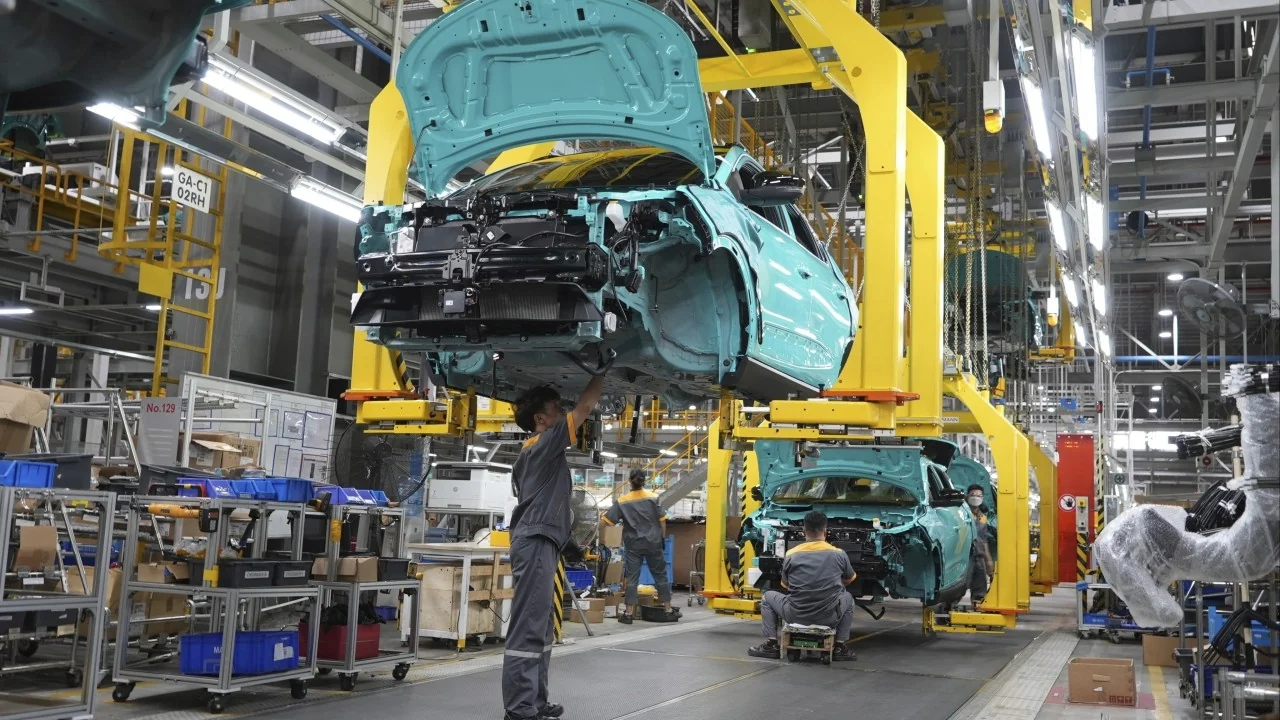
在11月3日于胡志明市举行的《财富》东南亚500强峰会上,一场关于区域互联互通的讨论探讨了商品如何跨境流动。会后我陷入沉思:究竟有什么留在了原地?当生产转移到越南时,有多少生产能力随之迁移?
At the Fortune Southeast Asia 500 Summit in Ho Chi Minh City on November 3, a discussion of regional connectivity explored how goods move across borders. I came away thinking about what stays behind. When production moves to Vietnam, how much of the ability to produce moves with it?
越南给自己定下了一个非同寻常的雄心目标。其五年计划于4月获批,目标是2026年至2030年平均每年国内生产总值(GDP)增长至少10%。培育越南本土供应商应成为检验这一雄心的一个标准。
Vietnam has set itself an extraordinary ambition. Its five-year plan, approved in April, targets average annual gross domestic product growth of at least 10 per cent from 2026 to 2030. Developing Vietnamese suppliers should be one test of that ambition.
增长固然可喜,但不同性质的增长留下的遗产截然不同。一座工厂创造就业和出口。其长远贡献部分取决于越南企业能否学会为其供货、改进产品并赢得其他客户。
Growth is welcome, but different kinds of growth leave different inheritances. A factory creates jobs and exports. Its longer contribution depends partly on whether Vietnamese businesses learn to supply it, improve their products and win other customers.
这种区别至关重要。据越南国家统计局数据,2025年越南商品出口同比增长17%。国内经济部门出口下降6.1%。外商投资企业占出口总额的77.3%。这些数据不包括越南企业为外资工厂供货而间接获得的一些收益,但它们依然引发一个问题:出口繁荣究竟扎根有多深?
The distinction matters. Vietnam’s merchandise exports rose 17 per cent year on year in 2025, according to the country’s National Statistics Office. Exports from the domestic economic sector fell 6.1 per cent. Foreign-invested businesses accounted for 77.3 per cent of the total. Those figures exclude some benefits Vietnamese firms receive indirectly from supplying foreign factories, but they nevertheless raise a question about how deeply the export boom is taking root.
这就是“中国加一”战略的悖论:生产可以转移到中国之外,而中国企业和零部件却随之迁移。一份9月政府报告显示,越南有7000多个中国投资项目。2026年前八个月,中国占越南新登记外商投资项目2771个中的989个,近36%。
This is the paradox of “China plus one”: production can move beyond China while Chinese businesses and components move with it. A September government report counted more than 7,000 Chinese investment projects in Vietnam. In the first eight months of 2026, China accounted for 989 of Vietnam’s 2,771 newly registered foreign-investment projects, nearly 36 per cent.
峰会间隙的交流展示了这种关系在车间层面的含义。一家世界领先显示器制造商的代表在匿名条件下,描述了转移生产的局限与可能。
Conversations around the summit showed what this relationship means on the factory floor. A representative of a world-leading display manufacturer, speaking on condition of anonymity, described the limits and possibilities of moving production.
组装环节可以在越南进行。该代表表示,部分额外的电子组装业务正在引入越南。显示面板本身仍来自中国。制造面板需要积累的专业知识和巨额投资;中国现有的规模使得在其他地方复制这种产能在商业上难以证明合理。
Assembly can take place in Vietnam. Some additional electronics assembly was being introduced there, the representative said. The display panels themselves still came from China. Manufacturing them required accumulated expertise and heavy investment; China’s existing scale made reproducing that capacity elsewhere difficult to justify commercially.
工业发展分阶段进行。组装厂可以在不掌握其产品所体现的每一项技术的情况下,获得更多功能。问题在于越南企业和工人能够胜任哪些额外功能,以及什么能帮助他们达到这一水平。
Industrial development happens in stages. An assembly plant can acquire more functions without acquiring every technology embodied in its products. The question is which additional functions Vietnamese businesses and workers can perform well and what would help them get there.
中国国际贸易促进委员会商业分会贸易投资促进部主任熊杰森(Jason Xiong)举了另一个例子:一家轮胎厂已在越南采购部分投入品,同时从中国获取大量供应。他解释说,获得原产地证书使其有动力增加本地采购。
Jason Xiong, trade and investment promotion director at the commercial sub-council of the China Council for the Promotion of International Trade, offered another example: A tyre factory is already buying some inputs in Vietnam while obtaining substantial supplies from China. Qualifying for a certificate of origin, he explained, gave it an incentive to increase local purchases.
他接着描述了对本地投入品的需求如何推动生产商满足买方的质量标准,同时鼓励现有供应商在附近建厂。他指出,随着时间的推移,一个更完整的生产网络可能在当地形成。
He went on to describe how demand for local inputs could push producers to meet the buyer’s quality standards while encouraging existing suppliers to establish factories nearby. Over time, he suggested, a more complete production network could emerge locally.
这是一条从贸易激励通向工业发展的合理路径。企业寻求市场准入,然后将更多工作带到其工厂附近。更多的加工环节能创造对技能和服务的需求。下一步是越南本土企业获得技能并竞争这些业务。本地采购能创造机会;培育本地供应商需要付出努力。
This is a plausible route from trade incentives to industrial development. A company seeks access to markets, then brings more work closer to its factory. More processing can create demand for skills and services. The next step is for Vietnamese-owned firms to gain skills and compete for that business. Buying locally can create an opening; developing local suppliers takes effort.
更多外资供应商在当地运营能带来就业、缩短交货时间并为本地服务业创造客户。更大的机遇在于越南企业进入这些网络,并具备为多个买方服务的能力。当一国企业在某个订单转移后能找到另一个客户时,该国获得的安全性更高。
More foreign suppliers operating locally can bring jobs, shorter delivery times and customers for local services. The larger opportunity comes when Vietnamese firms enter those networks and become capable of serving several buyers. A country gains more security when its businesses can find another customer after one order moves away.
这需要耐心的工作和可预期的规则。当企业能够提前数年制定合理计划时,投资设备或培训就会更容易。供应商可能需要设备和认证,才能赢得大额订单。它需要资金填补这一空白,需要能够诊断缺陷的技术人员,以及能够提供稳定质量的管理人员。买方可以通过解释标准、解决生产问题以及提供可信的复单前景来提供帮助。
This requires patient work and predictable rules. Investing in equipment or training is easier when a business can make reasonable plans years in advance. A supplier might need equipment and certification before it can win a substantial contract. It needs finance for that gap, technicians who can diagnose defects and managers who can deliver consistent quality. Buyers can help by explaining standards, working through production problems and offering a credible prospect of repeat orders.
世界银行建议实施供应商发展计划、供应链金融,并加强产教联系。这些是将外资制造商的存在转化为越南企业可利用机会的切实途径。
The World Bank recommends supplier development programmes, supply-chain finance and stronger links between industry and education. These are practical ways to turn the presence of foreign manufacturers into opportunities Vietnamese firms can use.
有证据表明,此类努力能够产生影响。三星报告称,其越南一级和二级供应商从2014年的25家增加到2023年底的306家。三星还描述了支持生产管理和技术培训的项目。这些数字无法说明每家供应商工作的复杂程度,但它们为衡量进展提供了一个起点。
There is evidence that such efforts can make a difference. Samsung reported that its Vietnamese first- and second-tier suppliers increased from 25 in 2014 to 306 by the end of 2023. It also described programmes supporting production management and technical training. The numbers do not tell us the sophistication of every supplier’s work, but they offer a starting point for measuring progress.
越南无需复制中国的整个工业体系即可从中受益。它可以利用中国零部件和专业知识的获取渠道,建立自身能力。供应商项目应以复单合同、更好的生产标准以及承接更高要求工作的能力来评估。采购数据应将越南本土企业与在当地运营的外资供应商区分开来。
Vietnam need not reproduce China’s entire industrial system to benefit from it. It can use access to Chinese components and expertise to build capabilities of its own. Supplier programmes should be assessed by repeat contracts, better production standards and the ability to take on more demanding work. Procurement figures should distinguish Vietnamese-owned firms from foreign suppliers operating locally.
峰会的主题是“新视野,持久增长”。越南的增长目标为这一愿景赋予了一个引人注目的数字。其工厂可以赋予其实质内容。更深层的成就将是越南企业从当下的生产中学到足够多的东西,从而具备竞争未来订单的能力。
The summit’s theme was “New Horizons, Enduring Growth”. Vietnam’s growth target gives that aspiration a striking number. Its factories can give it substance. The deeper achievement will be a Vietnamese business that learns enough from today’s production to compete for tomorrow’s orders.