纽约市3250亿美元的养老金体系已开始拒绝其认为在实质上很有吸引力的私募市场AI交易,因为其持有的AI敞口已过大。
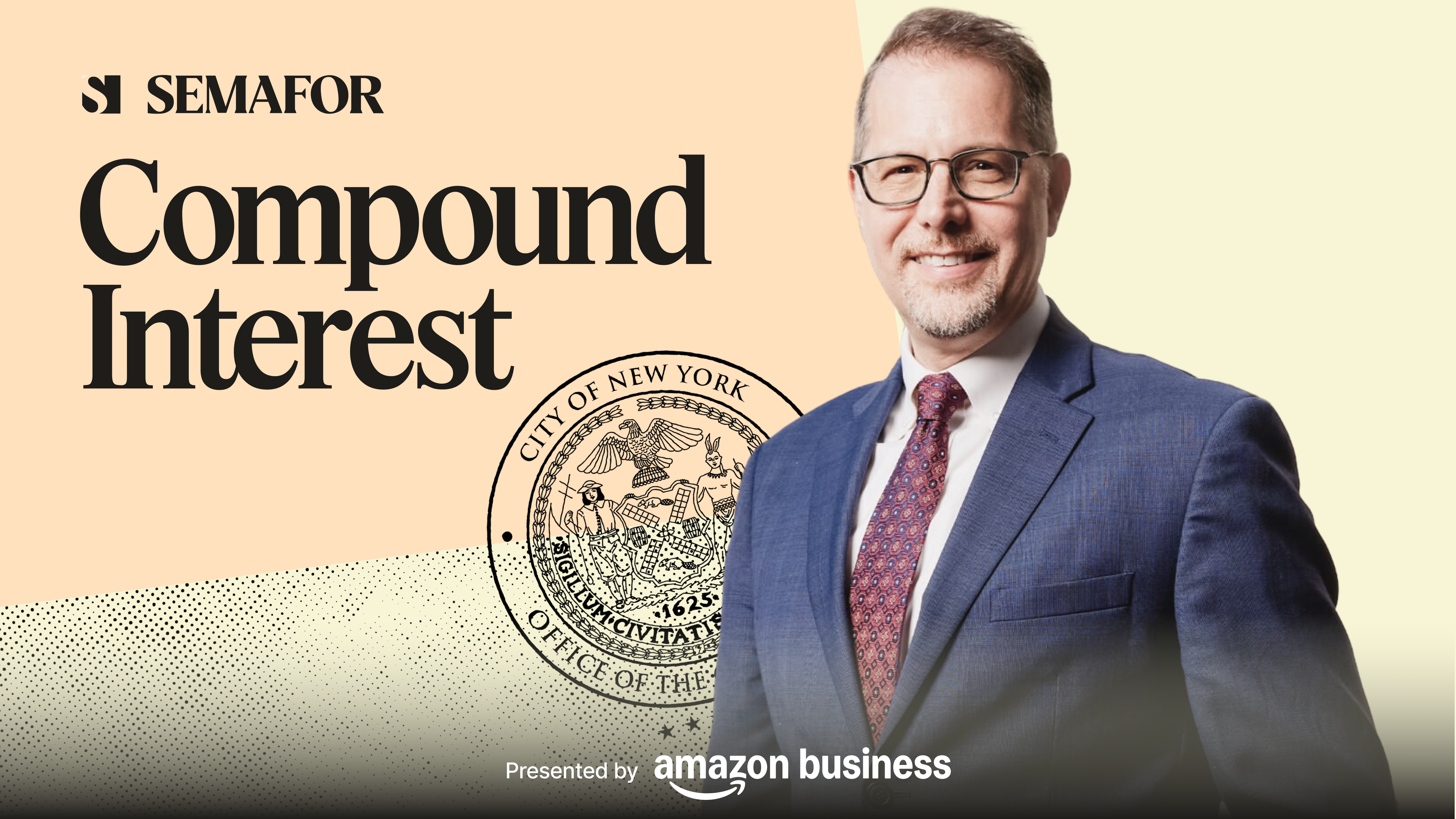
New York City’s $325 billion pension system has started turning down private-market AI deals it considers strong on the merits, because it already owns too much AI.
纽约市审计长马克·莱文在本周Semafor的节目中表示:“在任何情况下,要让如此庞大的投资组合实现多元化都很难,因为你真的必须涉足每一类资产,而我们已身处地球上每一个主要经济体。但现在,这些资产在各个板块、各个市场中,有太大比例都是AI。” 这种程度的“过度集中”是“我们警惕的风险”。想找地方躲避变得更难了:AI权重大的公司占据标普500指数市值的近一半,占今年美国高收益债券发行量的40%,占蓝筹企业债务的六分之一。
“It’s hard to diversify such a big portfolio under any circumstances because you’ve really got to be in every asset class, and we are in every major economy on Earth. But now so much of that, sector by sector, market by market, is AI,” NYC Comptroller Mark Levine said on this week’s episode of Semafor’s . That level of “over-concentration” is “a risk that we’re leery of.”It’s getting harder to find places to hide: AI-heavy companies account for almost half of S&P 500 market value, 40% of US high-yield bonds sold this year, and one in every six dollars of blue-chip corporate debt.
其他一切资产,从私募信贷到房地产再到亚洲股票,越来越多地变成了披着外衣的数据中心押注。
Everything else, from private credit to real estate to Asian stocks, is increasingly a dressed-up bet on data centers.
另一方面,拥有如此大规模的AI建设敞口,也让这位城市首席财务官对运营这些公司的科技CEO拥有一定杠杆,而他对这些CEO并不满意。他称CEO们9月出席特朗普为中国举行的国宴是“国家的耻辱”,称他们向一位本身就是“安全实现AGI转型的巨大威胁”的总统“献媚讨好”。一种选择是:为基金持股的公司制定正式的AI标准,类似于其现有的气候和劳工规则:“作为股东,我们有很多战役要打。”
On the flip side, owning so much of the AI buildout also gives the city’s chief financial officer some leverage over the tech CEOs running the companies, and he isn’t happy with them. He called CEOs’ appearance at Trump’s state dinner for China in September “a national embarrassment,” saying they’d “kissed the ring” of a president who is himself “a massive threat to pulling off the AGI transition safely.”One option: formal AI standards for the companies the fund owns, similar to its existing climate and labor rules: “We have a lot of fights to wage as shareholders.”— Liz Hoffman and Rohan Goswami