市场交易的态势仿佛伊朗协议已经签署,油轮已在霍尔木兹海峡航行,但两者均非事实。
is trading as if the Iran deal has been signed and the tankers are already steaming through Hormuz. Neither is true.
特朗普表示不需要进一步打击,这使原油价格跌至自八月以来的最低水平。市场抓住了他信息中充满希望的那一半,忽略了其余部分,包括美军若战斗恢复将保持“蓄势待发”。
Donald Trump’s signal that further strikes shouldn’t be needed has sent crude to its lowest level since August. Markets seized on the hopeful half of his message and brushed past the rest, including US forces staying “locked and loaded” if fighting resumes.
和平协议对全球经济将是巨大胜利。然而,即便霍尔木兹海峡明天完全开放,供应也还需要数月才能恢复到接近正常的状态。
A peace deal would be a huge win for the global economy. Yet even if Hormuz opened completely tomorrow, supply would still be months away from anything resembling normal.
延误的原因是实际且顽固的。油轮需要重新部署。保险公司在削减战争风险保费前,会要求证明水域安全。在冲突期间耗尽储备的政府急于重新补充,这种重建将在额外原油进入公开市场前,吸收掉其中很大一部分。
The hold-ups are practical, and they’re stubborn. Tankers have to be repositioned. Insurers will want proof the waters are safe before they cut war-risk premiums. Governments that drained their reserves during the conflict will be keen to refill them, and that rebuilding will soak up a large slice of any extra barrels before they reach the open market.
还有原油本身。关闭数月的油田不会一听号令就迅速恢复生产。部分产量能快速恢复,但很多不能,液化天然气设施则更慢。海湾地区的能源流动不太可能在明年年中之前恢复到战前水平。
Then there’s the oil itself. Fields shut for months don’t come roaring back on command. Some output returns quickly, plenty doesn’t, and LNG plants are slower still. Gulf energy flows look unlikely to be back at pre-war levels before the middle of next year.
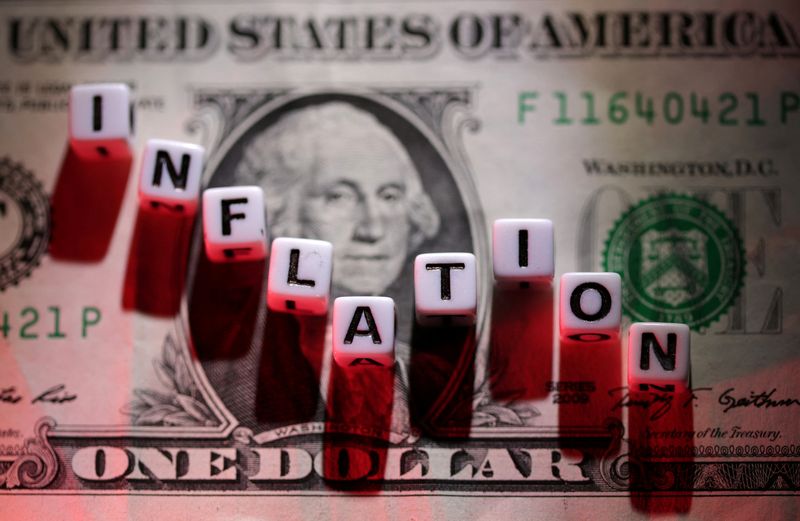
如果情况如此,油价可能会维持在期货市场当前暗示的水平之上,而通胀的后续影响可能会持续存在。能源成本贯穿货运、食品和制造业。当这些成本持续存在时,企业会将其转嫁,工资要求也会随之而来。
If so, oil is likely to stay higher than futures markets currently imply, and the inflation fallout could prove stubborn. Energy costs run through freight, food and manufacturing. When they linger, firms pass them on and wage demands follow.
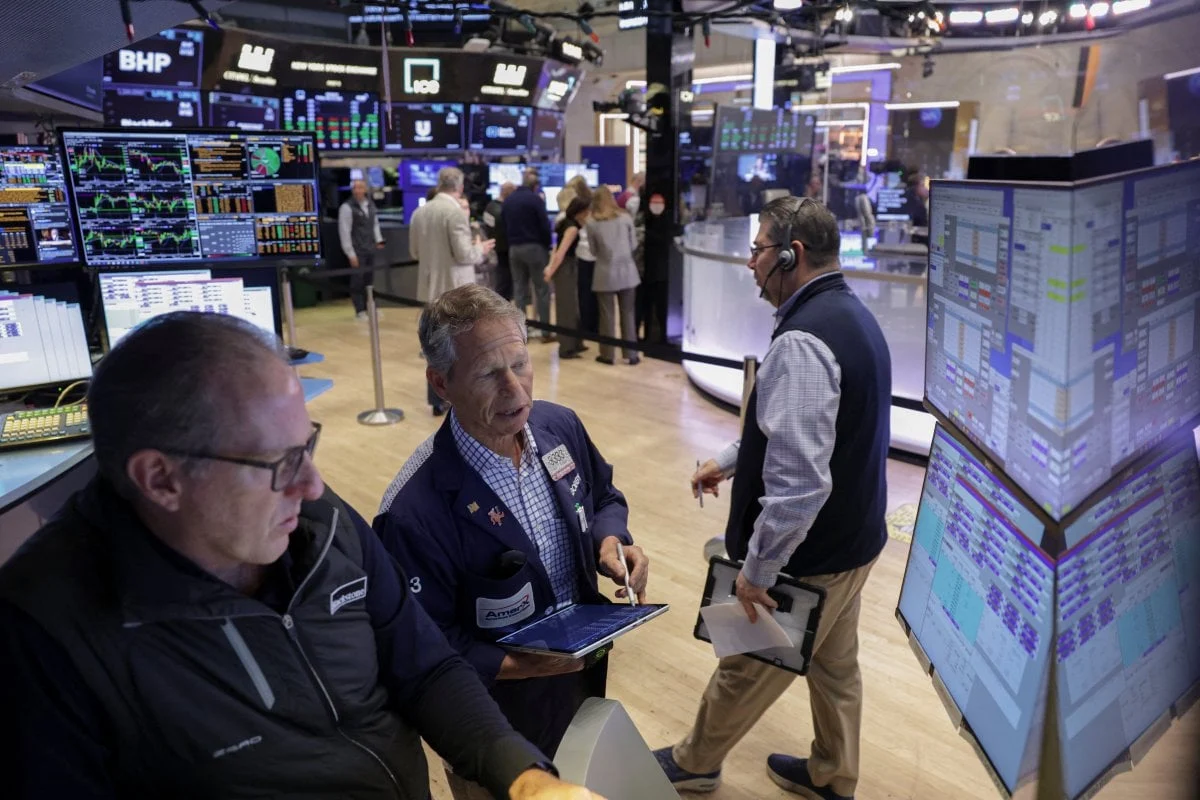

正是这第二波影响是央行最担心的。美联储降息的速度可能比市场预期的更慢。欧洲和英国进口大量能源,风险敞口更大,因此欧洲央行和英格兰银行可能会发现放松货币政策更加困难。
It’s this second wave central banks fear most. The Federal Reserve is likely to be slower on cuts than markets are pricing. Europe and Britain are more exposed because they import so much of their energy, so the ECB and the Bank of England will probably find it even harder to ease.
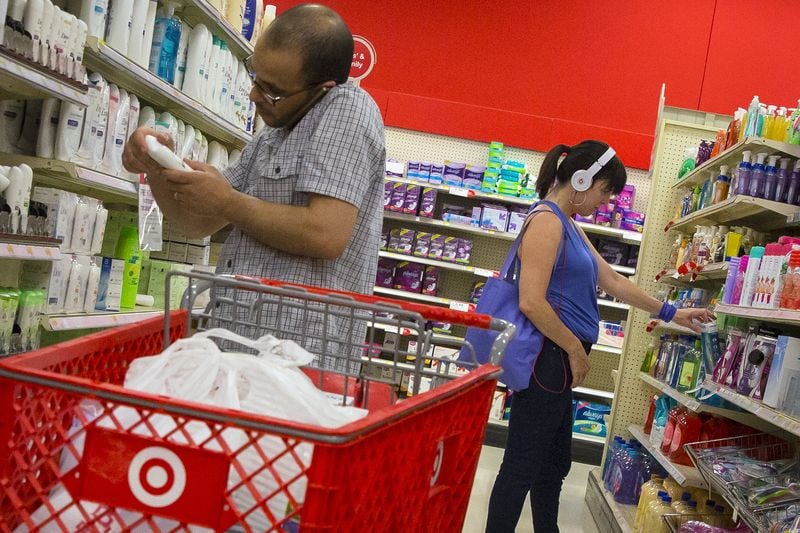

亚洲通过霍尔木兹海峡运输的原油占绝大部分,似乎将承担任何延误带来的沉重成本。货币较弱的新兴经济体面临双重打击,因为原油以美元计价。
Asia, which takes the bulk of the oil shipped through Hormuz, looks set to carry a heavy share of the cost of any delay. Emerging economies with weaker currencies face a double hit, with oil priced in dollars.
随着油价下跌,降息预期有所升温,但这种逻辑是颠倒的。如果通胀证明更具粘性,这些希望很可能会被削减,从而使抵押贷款利率、商业贷款和政府借款成本维持在许多家庭、企业和财政部门所预期的水平之上。
Rate-cut expectations have crept higher as oil has fallen, which gets the logic backwards. Should inflation prove stickier, those hopes will likely be pared back, keeping mortgage rates, business loans and government borrowing costs higher than many households, companies and finance ministries are planning for.
价格中几乎不再有缓冲空间。大部分战争溢价已经消失。如果谈判出现波折,或一艘油轮被击中,就没有什么能缓冲冲击了。
There’s also very little cushion left in the price. Most of the war premium has already gone. If talks wobble, or a tanker gets hit, there’s nothing left to soften the blow.
外交可以在新闻发布会的速度下推进。石油、航运、保险和通胀则有自己的节奏。签字不会让油轮一夜之间重新启航,世界的通胀和利率很可能会在这场战争的墨迹干透后很长一段时间内仍感受到其影响。
Diplomacy can move at the speed of a press conference. Oil, shipping, insurance and inflation move at their own pace. A signature won’t get the tankers moving overnight, and the world’s inflation and interest rates will probably be feeling this war long after the ink has dried.
奈杰尔·格林是德维集团(deVere Group)的创始人兼首席执行官,该集团是全球最大的独立专业金融解决方案顾问之一,在世界各地设有办事处网络,管理资产达140亿美元。
Nigel Green is the founder and CEO of deVere Group, one of the world’s largest independent advisors of specialist global financial solutions, with a network of offices around the world and $14bn under advisement.