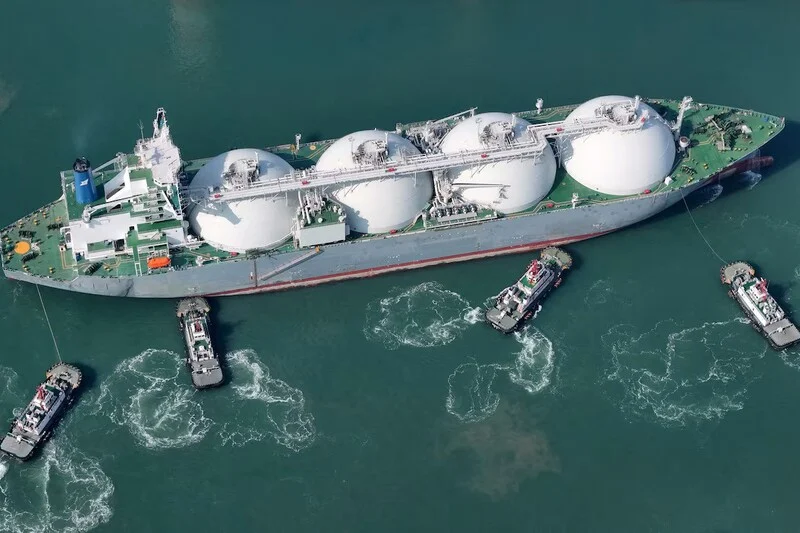
Investing.com —— 周五,欧洲批发天然气价格飙升至一周多以来的最高点,全周涨幅锁定在12%。随着美伊外交密道破裂以及波斯湾发生新的军事打击,市场引发了对冬季供应安全的争夺。
Investing.com - European wholesale natural gas prices surged to over one-week highs on Friday, locking in a 12% weekly gain as the collapse of U.S.-Iran diplomatic backchannels and fresh military strikes in the Persian Gulf triggered a scramble for winter supply security.
基准的荷兰产权转让设施(TTF)近月合约跃升4.2%,至每兆瓦时96.18欧元。英吉利海峡对岸的英国同类全国平衡点(NBP)合约步调一致,攀升3.8%,至每热卡239便士。
The benchmark Dutch Title Transfer Facility (TTF) front-month contract jumped 4.2% to 96.18 euros per megawatt-hour. Across the Channel, the British equivalent National Balancing Point (NBP) contract moved in lockstep, climbing 3.8% to 239 pence per therm.
周五的强劲反弹确保了两个交易枢纽都获得了高达12%的周涨幅。至关重要的一点是,欧洲天然气综合体已与全球原油基准彻底脱钩,后者由于近期的供应过剩动态而持续低迷,并正走向连续第二周下跌。
The aggressive Friday rally ensured both hubs secured a blistering 12% weekly advance. Crucially, the European gas complex has violently decoupled from global crude oil benchmarks, which remained depressed by near-term oversupply dynamics and were on track to log a second consecutive weekly loss.
特朗普扼杀外交希望 欧洲天然气价格曲线飙升的强劲动能,主要源于华盛顿发出的令人不安的地缘政治现实警示,这瞬间抽干了市场中残存的外交乐观情绪。
Trump kills diplomatic hopes The intense upward momentum across European gas curves was primarily fueled by a jarring geopolitical reality check out of Washington, which instantly drained any lingering diplomatic optimism from the market.
美国总统唐纳德·特朗普周四在“真相社交”发帖称,华盛顿不再需要与德黑兰达成协议。这位总统辩称,美国已经对伊朗建立了毁灭性的财务筹码,并确保了对关键的霍尔木兹海峡运输要道的绝对控制。
U.S. President Donald Trump stated in a Truth Social post on Thursday that Washington no longer needed an agreement with Tehran. The President argued that the U.S. had already established crippling financial leverage over Iran and secured definitive control of the critical Strait of Hormuz transit chokepoint.
特朗普公开指示副总统JD·万斯放弃与伊朗的谈判,并将注意力完全重新转向国内优先事项,这给近期的幕后讨论带来了致命打击。
Dealing a fatal blow to recent back-channel discussions, Trump publicly instructed Vice President JD Vance to abandon negotiations with Iran and redirect his focus entirely toward domestic priorities.
此外,华盛顿释放出根深蒂固的强硬姿态,表明其对伊朗贸易和石油运输的严格海上封锁将与更广泛的经济制裁一起全面维持。
Furthermore, Washington signaled an entrenched hardline posture, indicating that its strict naval blockade of Iranian trade and oil shipments will remain fully in place alongside broader economic sanctions.
报复性打击与胡塞武装袭击激化海湾局势 白宫的鹰派转向给水上高度动荡的一周画上了句号,此前有关缓和局势的希望一再被实际军事行动粉碎。
Retaliatory strikes and Houthi attacks inflame the Gulf The hawkish pivot from the White House punctuated a highly volatile week on the water, where earlier hopes of a de-escalation were repeatedly shattered by kinetic military action.
也门受伊朗支持的胡塞武装对沙特设施发动了新一轮袭击,再加上对航行于海湾的油轮实施了新的打击,凸显了对能源基础设施的实体威胁。
The physical threat to energy infrastructure was underscored by renewed attacks on Saudi facilities by Yemen’s Iran-backed Houthis, alongside fresh strikes on crude tankers navigating the Gulf.
当伊朗革命卫队声称他们瞄准了巴林的一处美国早期预警雷达时,区域威胁矩阵在周五显著升级。
The regional threat matrix escalated significantly on Friday when Iran’s Revolutionary Guards claimed they targeted a U.S. early-warning radar in Bahrain.
这是自9月上旬以来首次宣称对海湾国家的美国军事资产发动直接袭击。卫队表示,这次打击是对据称针对位于伊朗南部霍尔木兹甘省西里克县一处电信塔空袭的报复。
Marking the first such claim of a direct attack on American military assets in a Gulf nation since early September, the Guards stated the strike was retaliation for an alleged air attack on a telecommunications tower in Iran’s southern Sirik county, located in the Hormozgan province.
欧盟储气库未能锚定飙升的风险溢价 尽管目前欧洲的实体天然气供应从根本上讲仍然稳定——欧盟天然气储气库目前库存率为71%——但中东升级的绝对规模已经凌驾于局部基本面的安稳感之上。
EU storage fails to anchor surging risk premium While physical European gas supplies remain fundamentally stable for the moment - with EU gas storage facilities currently sitting at 71% full - the sheer scale of the Middle Eastern escalation has overridden localized fundamental comfort.
对欧洲公用事业买家和液化天然气对冲交易台而言,71%的储气缓冲已不再被视为应对最坏情况的足够保险。
For European utility buyers and LNG hedging desks, the 71% storage buffer is no longer viewed as sufficient insurance against a worst-case scenario.
随着外交退路被积极拆除,涉及美国资产的直接军事对抗在海湾恢复,交易员们被迫将严重的地缘政治风险溢价激进地重新计入远期冬季合约中,他们担心随着北半球供暖季的开始,更广泛的地区战争可能会迅速掐断关键的液化天然气(LNG)运输路线。
With diplomatic off-ramps actively being dismantled and direct military confrontations involving U.S. assets resuming in the Gulf, traders are being forced to aggressively price a severe geopolitical risk premium back into forward winter contracts, fearing that a wider regional war could quickly choke off critical liquefied natural gas (LNG) transit routes just as the Northern Hemisphere heating season begins.