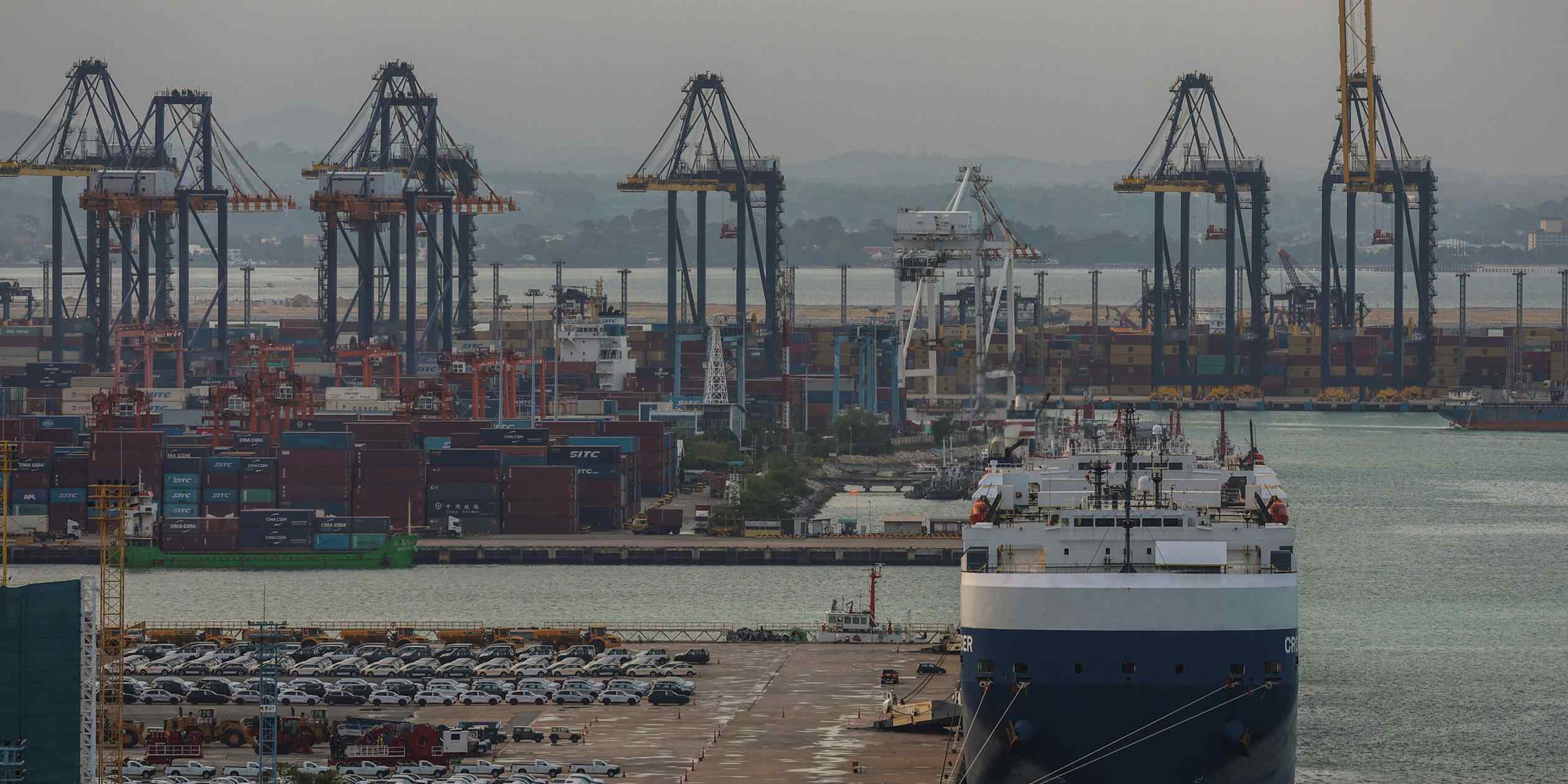
曼谷 —— 泰国国家经济和社会发展委员会周一公布的官方数据显示,得益于投资增加和电子产品出口增长,泰国经济在7至9月季度同比增长2.9%。
BANGKOK -- The Thai economy grew 2.9% in the July-September quarter from a year earlier backed by increasing investment and electronics exports, official data showed Monday.
这一东南亚国家的国内生产总值(GDP)增速较经修正的4至6月季度的2.4%有所加快。路透社近期调查的经济学家此前预期增速为3%。
The Southeast Asian country's gross domestic product growth picked up from a revised 2.4% in the April-June quarter. Economists in a recent Reuters poll had expected growth of 3%.
国家经济和社会发展委员会秘书长达努查·皮查亚南在新闻发布会上对记者表示:“第三季度,泰国经济得到出口、私人投资和政府投资的支撑。”
"In the third quarter, the Thai economy was supported by exports, private and government investments," Danucha Pichayanan, secretary-general of the National Economic and Social Development Council, told reporters during a news conference.
出口占泰国GDP的60%以上,第三季度出口扩大18.3%,得益于人工智能相关领域(如电子产品)的强劲需求。私人投资增长16.2%,而上一季度为13.5%。
Exports, which account for more than 60% of Thailand's GDP, expanded 18.3% in the third quarter, buoyed by strong demand in artificial intelligence-related sectors such as electronics. Private investment grew 16.2%, versus 13.5% in the previous quarter.
国家经济和社会发展委员会现在预计,2026年泰国经济将增长2.5%,此前的预测区间为2.0%至2.5%。
The NESDC now expects the nation's economy to grow 2.5% in 2026, compared with the previous forecast range of 2.0% to 2.5%.
该委员会预测2027年增长2.0%至3.0%,理由是“旅游业及相关服务业复苏”以及“净出口贡献增加”。作为区域制造业中心,泰国在全球人工智能繁荣的背景下受益于强劲出口。
It forecasts 2.0-3.0% growth for 2027, citing "recovery of the tourism sector and related services" and an "increased contribution from net exports." As a regional manufacturing hub, Thailand has benefited from robust exports amid the global AI boom.
但尽管电子企业等大型公司获益,中小企业却因流动性紧张和高油价而艰难求生。受高债务水平拖累,加上中东冲突引发的通胀也给家庭带来压力,家庭消费能力依然疲弱。
But while big corporates like electronics companies gain, smaller businesses are struggling to survive amid a liquidity crunch and high oil prices. Households still have weak consumption power due to high debt levels with the Middle East conflict-driven inflation also weighing on them.
尽管如此,最新GDP报告显示,第三季度私人消费增长2.5%,而上一时期为2.1%。总体而言,泰国第三季度经济增速仍慢于大多数邻国。
Still, the latest GDP report showed private consumption increased 2.5% in the third quarter, compared with 2.1% in the previous period. Overall, Thailand's third-quarter growth remained slower than most neighboring countries.
越南经济增长9.95%,为四年来最快增速,得益于工业和建筑业的强劲增长。印度尼西亚经济扩张5.47%,超出预期,强劲的政府支出抵消了家庭支出增长放缓的影响。
Vietnam's economy jumped 9.95%, its fastest pace in four years supported by strong growth in industry and construction. Indonesia's economy expanded 5.47% outperforming expectations as robust government expenditure offset slowing growth in household spending.
根据初步数据,新加坡国内生产总值(GDP)增长5.4%,持续的人工智能相关需求提振了这个城市国家的制造业。
Singapore's GDP grew 5.4% according to preliminary figures, as sustained AI-related demand boosted the city-state's manufacturing sector.
相比之下,菲律宾经济增长2.1%,为五年多来最疲软的季度增速,加速的通胀持续消耗家庭支出。
In contrast, the Philippine economy grew 2.1% in its weakest quarterly expansion in more than five years, as accelerating inflation continued to sap household spending.