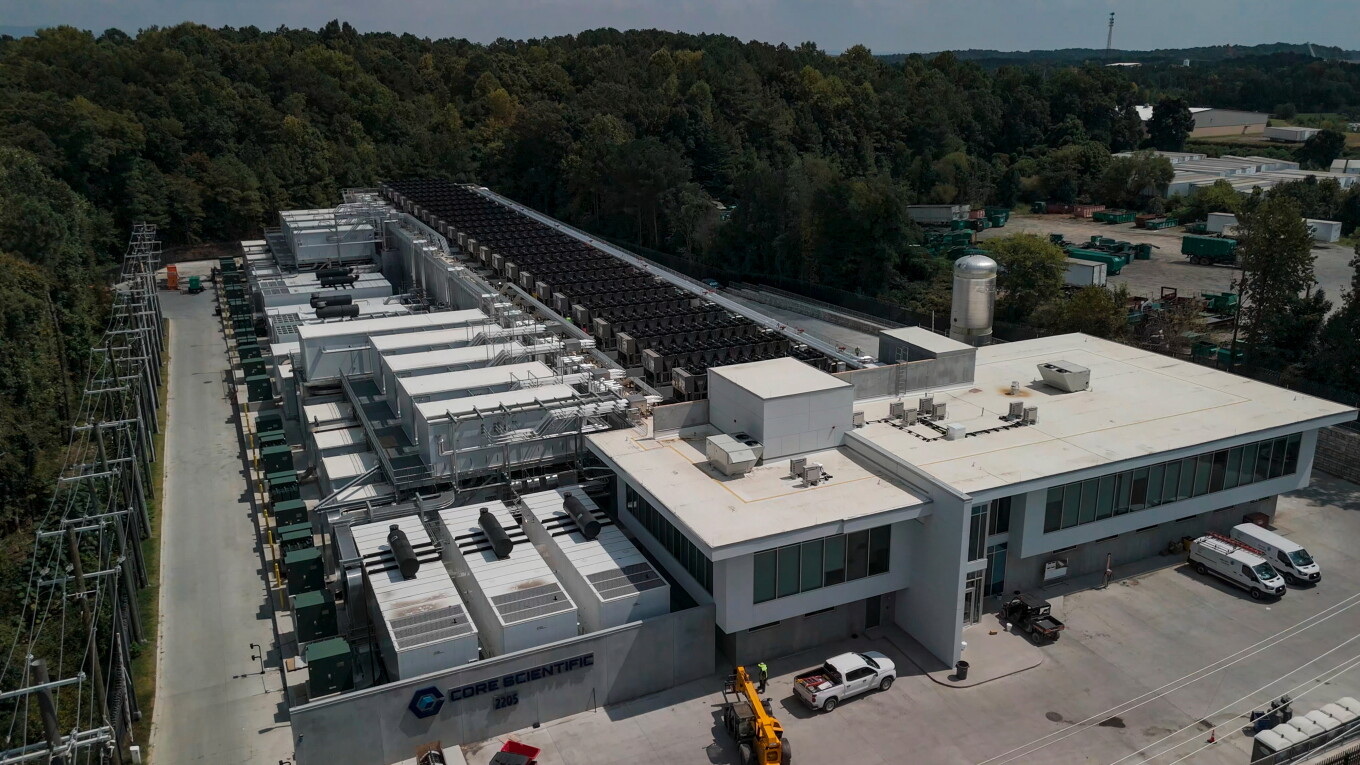
美国最大的400个数据中心一年排放的温室气体,相当于整个丹麦国家的排放量,而且这还是在人工智能热潮真正兴起之前。哈佛大学周一发布的一项研究得出了这一结论。
The 400 largest data centers in the United States put as much heat-trapping gas in the air in one year as the nation of Denmark.
与此同时,在土耳其安塔利亚举行的联合国第31届气候变化大会(COP31)谈判中,谈判代表周一启动了一项自愿承诺,呼吁企业和国家以清洁能源为全球数据中心供电,并更公开地披露其电力和水资源消耗及排放情况。
SETH BORENSTEIN, JENNIFER McDERMOTT The 400 largest data centers in the United States put more heat-trapping gas in the air in one year than the entire nation of Denmark did, and that was before the artificial intelligence boom really got going, according to a Harvard University study published Monday.
联合国气候事务负责人西蒙·斯蒂尔周一在启动该承诺时表示:“我们不能要求民众接受更高的账单、更多的全球变暖污染和更严重的不平等,来换取对美好明天的承诺。”“关于未来减排的主张,不能成为当前污染加剧、使气候灾难更加恶化的借口。”该承诺还呼吁将人工智能的力量集中于解决迄今棘手的气候变化问题,反映出人们对人工智能不断扩大的环境足迹日益增长的担忧。这种政治反弹已在美国大选和当地对新选址的强烈反对中显现。
Meanwhile, negotiators at the United Nations COP31 climate talks in Antalya, Turkey, launched a voluntary pledge Monday for companies and countries to power the world’s data centers with clean energy and be more open about their power and water consumption and emissions.
新建和规划中数据中心的激增,也推动了对新电力来源的需求,导致最大的科技公司无法实现其气候目标。倡导组织“反虚假信息气候行动”最新报告显示,这些公司的用电量在2022年至2025年间激增了240%。
“We cannot ask people to accept higher bills, more planet heating pollution and deeper inequality today in exchange for promises of a better tomorrow,” United Nations climate chief Simon Stiell said Monday during the launch of the pledge. “Claims about future emissions savings cannot excuse rising pollution now, making climate disasters even worse.”The pledge also calls for focusing the power of artificial intelligence on solving the so-far intractable problem of climate change and reflects burgeoning concerns about AI’s ever-expanding environmental footprint. The political backlash has played out in U.S. elections and major local objections for new sites.
哈佛大学研究人员利用现有数据和建模,分析了2024年5月至2025年4月期间美国403个最大数据中心的用电量和排放量。根据周一发表在《自然·可持续性》杂志上的研究,这些中心的用电量估计产生了约2830万吨(2570万公吨)二氧化碳。研究人员发现,其82太瓦时用电量中超过一半来自化石燃料——这是全球变暖的主要原因——这足以供近700万户家庭使用一年。
The explosion of new and planned data centers also has prompted a push for new sources of power generation that has the biggest tech companies failing to reach their climate goals, with their electricity consumption rising 240% between 2022 and 2025, according to a new report by the advocacy group Climate Action Against Disinformation.
该研究的资深作者、哈佛大学生物统计学教授弗朗西斯卡·多米尼奇表示,这一排放估算值是以往研究显示数值的两到三倍。
Study quantifies how much big data centers pollute Harvard researchers looked at 403 of the largest U.S. data centers between May 2024 and April 2025 using available data and modeling to analyze their electricity use and emissions. They estimated electricity use by the centers produced around 28.3 million tons (25.7 million metric tons) of carbon dioxide, according to a study in Monday’s Nature Sustainability More than half their 82 terawatt hours of electricity use — enough to power nearly 7 million homes for a year — came from fossil fuels, which are the primary cause of global warming, the researchers found.
多米尼奇说:“这相当于密歇根州这样一个州,或一个欧洲小国的二氧化碳排放量。”她补充称,计划新建2000个数据中心让这一数量在未来更令人担忧。“我们正在倒退,背离了控制二氧化碳排放的目标。”多位气候、能源和人工智能领域的外部专家周一表示,该研究讲得通,得出的结论切合实际,考虑到企业不对电力消耗和污染公开透明,采用建模方法是合理的。
The emissions estimate is two to three times what previous studies had shown, said study senior author Francesca Dominici, a Harvard biostatistics professor.
未参与该研究的康奈尔大学能源系统科学家冯旗(音)表示:“如果没有可靠的测量和披露,我们就无法有效管理环境影响。归根结底,人工智能的环境足迹不是固定的。它取决于我们在哪里建设数据中心、它们运行得有多高效,以及我们如何为其供电。”
“It is the equivalent to the CO2 emission of an entire state like Michigan or a small European country,” Dominici said, adding that plans for 2,000 more data centers make that quantity more worrisome for the future. “We are going backwards toward the goal of controlling CO2 emissions.”Several outside experts in climate, energy and artificial intelligence said Monday’s study made sense and reached realistic conclusions, finding the use of modeling reasonable because companies aren’t open about power consumption and pollution.
联合国气候谈判东道主土耳其与国际电信联盟发起的“安塔利亚人工智能承诺”提出了一项自愿承诺,称数据中心应使用清洁电力以及高效的能源和水系统。
“We cannot manage environmental impacts effectively without reliable measurements and disclosure,” said Fengqi You, a Cornell University energy systems scientist who wasn’t part of the study. “Ultimately, the environmental footprint of AI is not fixed. It depends on where we build data centers, how efficiently they operate, and how we supply their electricity.”A voluntary pledge proposed at climate talks The “Antalya Artificial Intelligence Pledge,” launched by U.N. climate talks host Turkey and the International Telecommunication Union, says data centers should use clean power and efficient energy and water systems.
该承诺还呼吁负责任地设计和管理人工智能系统,使用环境标准并重复利用或回收基础设施和硬件。承诺称,应评估并共享数据中心的环境影响,签署方应支持将人工智能作为气候解决方案加以利用。
The pledge also calls for AI systems to be designed and managed responsibly, using environmental standards and reusing or recycling infrastructure and hardware. It says the environmental impacts of data centers should be assessed and shared and signatories should support using artificial intelligence as a climate solution.
第31届联合国气候变化大会(COP31)主席穆拉特·库鲁姆表示,与会世界领导人必须公开讨论人工智能日益增长的能源消耗,并开始制定相关条款。
COP31 President Murat Kurum has said world leaders at the talks must openly discuss AI’s growing energy consumption and start setting the terms.
人工智能既产生污染也带来希望 最大的气候斗士之一、美国前副总统阿尔·戈尔表示,虽然数据中心由无碳能源供电至关重要,但他对人工智能的排放问题不如其他人那么担忧。他对人工智能的算力能找到应对气候变化的新方法抱有希望。
AI produces pollution but also offers hope One of the biggest climate fighters, former U.S. Vice President Al Gore, said while it is essential that data centers are powered by carbon-free energy, he is less concerned about the emissions from AI than others. And he is hopeful that its computing power can find novel ways of fighting climate change.
在接受美联社采访时,戈尔引用了英国著名经济学家、气候倡导者尼古拉斯·斯特恩的一项研究,该研究预测到2030年,“由于利用先进人工智能寻找材料和能源使用效率大幅提高的新途径,我们将看到温室气体排放量减少6%至9%。”
In an Associated Press interview, Gore quoted a study by prominent British economist and climate advocate Nicholas Stern who predicted by 2030 “we will see 6 to 9% reduction in emissions of greenhouse gases because of the use of advanced AI in finding new ways to be far more efficient in the use of materials and energy.”
全美人工智能协会主席凯莱布·马克斯表示:“人工智能不仅将解决数据中心面临的能源使用问题,还将释放出当前未知的众多科学技术进步,从而应对气候变化、造福人类。我尊重对数据中心能源和水资源消耗的担忧,但这些恐惧可能被夸大了。”但“反歧视气候行动”发言人菲利普·纽厄尔持怀疑态度。
Caleb Max, president of the National Artificial Intelligence Association said, “AI will solve not only the energy usage issues that data centers face, but unlock numerous currently unknown advances in science and technology that will address climate change and make lives better for humanity. I respect the concerns about energy and water consumption from data centers, but the fears may be overblown.”But Climate Action Against Discrimination spokesman Philip Newell was skeptical.
“我们一手拿着希望,另一手拿着伤害,”纽厄尔说。“他们向我们兜售希望,却向我们隐瞒伤害。”捕获数据中心的热量数据中心的计算设备会产生大量废热并排入大气。减少数据中心环境影响的一种途径是捕获这些热量,供附近的家庭和企业使用。
“We have hope in one hand and then harms in the other,” Newell said. “They’re selling us hope while hiding the harms from us.”Capturing heat from data centers The computing equipment in data centers generates a lot of waste heat that is vented into the atmosphere. One approach to reducing data centers’ environmental impact is to capture heat that can be used for nearby homes and businesses.
丹麦工程与制造公司丹佛斯表示,废热是“世界上最大的未开发能源”,重复利用它可以取代天然气作为热源。该公司认定数据中心是持续热量的重要来源,尤其是随着其电力消耗的增长。
The Danish engineering and manufacturing company Danfoss said waste heat is “the world’s largest untapped energy source,” and reusing it can replace natural gas as a heat source. It identified data centers as a significant source of constant heat, particularly as their power consumption grows.
国际能源署估计,如果数据中心的热量完全融入向居民供应热力和热水的区域供热系统,到2030年,数据中心可提供的热量足以满足欧洲约10%家庭的需求。
The International Energy Agency estimates data centers could provide enough heat for around 10% of European homes by 2030, if that heat was fully integrated into district systems that supply heat and hot water to residents.
在COP31期间播出的讲话中,欧盟能源与住房委员丹·约根森表示,欧洲必须通过捕获白白浪费的热量和开发地热能,来替代进口化石燃料。
In remarks broadcast during COP31, European Commissioner for Energy and Housing Dan Jørgensen said Europe must replace imported fossil fuels by capturing heat that is going to waste and tapping into geothermal.
作为这种做法的另一个例子,工业开发公司BaRupOn正在得克萨斯州建设一个先进制造园区,计划利用回收热量在现场发电,首席执行官巴拉吉·塔马巴图拉说。在北达科他州,该公司计划建设一个可向社区供热的数据中心。
In another example of this approach, industrial development firm BaRupOn is building an advanced manufacturing campus in Texas that plans to use recaptured heat to generate additional electricity on site, CEO Balaji Tammabattula said. In North Dakota, the company is planning a data center that could feed heat to the community.
科罗拉多大学博尔德分校教授格雷戈尔·亨策表示,这是完美的结合,因为依靠液冷而非风冷的现代数据中心,是热能网络所需适宜温度热量的一个相当稳定的来源。
University of Colorado Boulder Professor Gregor Henze said it’s a perfect marriage because modern data centers that rely on liquid rather than air cooling are a fairly constant source of heat at the right temperature for thermal energy networks.