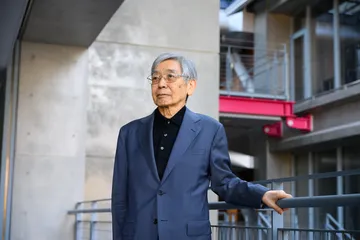
日本央行行长植田和男在周一接受彭博社采访时表示,持续的通胀风险可能迫使当局将基准利率提高到所谓的中性利率之上,即货币政策既不刺激也不抑制经济的水平。
Bank of Japan Governor Haruhiko Kuroda flagged the possibility that persistent inflation risks might prompt authorities to raise the benchmark interest rate above the so-called neutral rate, where policy is deemed to be neither stimulative nor restrictive.
“一切取决于通胀,”植田和男说。“如果通胀变得更加严重,那么加息自然也必须加快,利率甚至可能不得不升至中性利率之上。”植田和男指出,美国总统唐纳德·特朗普与伊朗的对抗引发了通胀压力,由于日本依赖进口石油、原材料和食品,这推高了日本的成本。
“It all depends on inflation,” Kuroda said in an interview with Bloomberg on Monday. “If inflation becomes more serious, then rate hikes will naturally have to accelerate as well, and rates may even have to rise above the neutral rate.”Kuroda pointed to inflationary pressure stemming from US President Donald Trump’s war with Iran, which is raising costs for Japan because of its reliance on imports of oil, raw materials and food.
随着市场普遍预期日本央行下个月将加息,本轮加息周期中政策利率最终可能升至多高已成为投资者关注的主要焦点。经济学家的中位数预估为1.75%,基本上相当于再加息两次,而部分人士预计最高可达2.5%。
With the BOJ widely expected to raise rates next month, how high the policy rate might ultimately rise in this cycle has become a primary focus for investors. The median economist estimate is 1.75%, or essentially two more hikes, while some see it reaching as high as 2.5%.
植田和男发表上述言论大约在两周前,由其继任者植田和男领导的日本央行政策委员会达成里程碑,认定潜在通胀与日本央行目标一致,这是自2013年设定目标以来的首次。植田和男称这是有利进展,但央行的工作尚未完成。
Kuroda spoke roughly two weeks after the BOJ board led by his successor, Kazuo Ueda, reached a milestone by asserting that underlying inflation was consistent with the BOJ’s target for the first time since the goal was set in 2013. Kuroda said it was a favorable development, but the bank’s job isn’t finished.
2013年,时任首相安倍晋三亲自挑选植田和男出任行长,他在任十年间主导了大规模货币宽松,突破了传统央行业务的界限,成为“安倍经济学”的核心支柱。他在连任两届后于2023年4月卸任,成为日本央行历史上任职时间最长的行长。
Handpicked by then-Prime Minister Shinzo Abe in 2013, Kuroda presided over a decade of aggressive monetary easing that pushed the boundaries of conventional central banking and became a central pillar of Abenomics. He stepped down in April 2023 after two terms, making him the longest-serving governor in the BOJ’s history.
这位前行长强调,通胀将决定日本央行未来的政策路径。日本央行对本财年物价的预期为2.5%,但截至9月的实际数据平均涨幅约为1.7%。为了实现预期,未来六个月的平均月度涨幅需要大幅攀升至约3.3%。
The former chief stressed that inflation would determine the BOJ’s future course. The BOJ’s price outlook is 2.5% for this fiscal year, but the average has been about 1.7% in actual data through September. The average monthly gain would need to sharply rise to about 3.3% in the next six months for the projection to be realized.
采访在政府数据发布数小时后进行,数据显示日本经济在截至9月的三个月内收缩,消费支出下降,部分原因是该期间天气异常恶劣。
The interview took place hours after government data showed Japan’s economy contracted in the three months through September, with consumer spending declining partly due to unusually bad weather during the period.
黑田淡化了对收缩的担忧,称疲软可能是“暂时的”。作为前财务省官员,黑田在议员们辩论高市早苗计划从4月起削减食品消费税两年之际发表了上述言论。高市表示,家庭需要支持以应对通胀,而批评者质疑其有效性,并质疑如何为该措施提供资金。
Kuroda played down concerns about the contraction and said the weakness is probably “temporary.”A former Finance Ministry official, Kuroda also spoke as lawmakers debate Takaichi’s plan to cut the sales tax on food for two years starting in April. Takaichi has said households need support against inflation while critics doubt its effectiveness and question how to fund the measure.
预计减税措施将为经济增加约10万亿日元(约合627亿美元)的刺激。前行长表示,由于经济已在满负荷运转且就业强劲——失业率仅为2.4%——这一财政刺激可能会使日本央行的任务复杂化。
The tax cut measures are expected to add around ¥10 trillion ($62.7 billion) to the economy. That fiscal boost is likely to complicate the BOJ’s task as the economy is already running at capacity with strong employment — the jobless rate is a mere 2.4%, the former governor said.
“我看不出意义。如果在这种情况下减税,显然不会提高增长率——只会推高物价,”黑田说。“如果发生这种情况,日本央行将别无选择,只能继续加息。”黑田部署的最具争议政策之一是2016年实施的-0.1%负利率。他在上月出版的书中透露,当时他认为很难进一步降息,尽管央行多次承诺如果认为必要将进一步降息。
“I don’t see the point. If you cut taxes under those circumstances, it’s obviously not going to raise the growth rate — it’s going to push up prices,” Kuroda said. “And if that happens, the BOJ will have no choice but to keep raising interest rates.”One of the most controversial policies Kuroda deployed was a negative interest rate of -0.1% in 2016. In his book published last month, he revealed that at the time he thought it would be difficult to cut rates any further, even though the bank repeatedly pledged to do so if deemed necessary.
“鉴于金融机构无法向存款人施加负利率,它们可能无法承受进一步降息,”黑田说。“在央行行长们之间,这是一个共同的看法,即利率不能无限制地进一步下调。”
“Financial institutions may not have been able to stomach any further” given their inability to impose negative rates on depositors, Kuroda said. “Among central bankers it was a shared view that it can’t go deeper and deeper.”