土耳其安塔利亚——新加坡正准备将其经济从以化石燃料为基础的经济向更绿色经济转型,但将以精心管理的方式进行,以便在“为世界和我们的子孙后代做正确事情”的同时,保持经济竞争力。
ANTALYA, Turkey – Singapore is preparing to transition its economy from a fossil-fuel based to a greener one, but will do so in a carefully managed way. This is so it can remain economically competitive even as it does “the right thing for the world and our future generations”.
永续发展与环境部长傅海燕11月17日在土耳其城市安塔利亚举行的联合国气候变化大会(COP31)上发表新加坡国家声明时,作出了上述表示。
Minister for Sustainability and the Environment Grace Fu said this on Nov 17, in her delivery of Singapore’s national statement at the COP31 UN climate talks in the Turkish city of Antalya.
为期两周的峰会定于11月20日结束,由于重点是将承诺转化为具体行动,因此被称为“落实大会”。
The two-week summit, which is due to end on Nov 20, has been billed an “implementation COP” for its focus on translating pledges to concrete actions.
在COP31高级别会议上向世界领导人发表讲话时,这位部长表示:“全球气候合作的下一阶段必须更加强调落实。这将需要我们减少对单纯宣言的关注,更多地投入到履职的实际工作中。”她在发言中详细阐述了该国减少排放和保护人民免受气候影响的计划,同时采取措施帮助高排放行业开发新的商业模式。
Addressing world leaders at the COP31 high-level segment, the minister said: “The next phase of global climate cooperation must place greater emphasis on implementation. It will require us to focus less on declarations alone, and more on the practical work of delivery.”In her speech, she fleshed out the country’s plans to cut emissions and protect its people from climate impacts, while taking steps to help emissions-intensive sectors develop new business models.
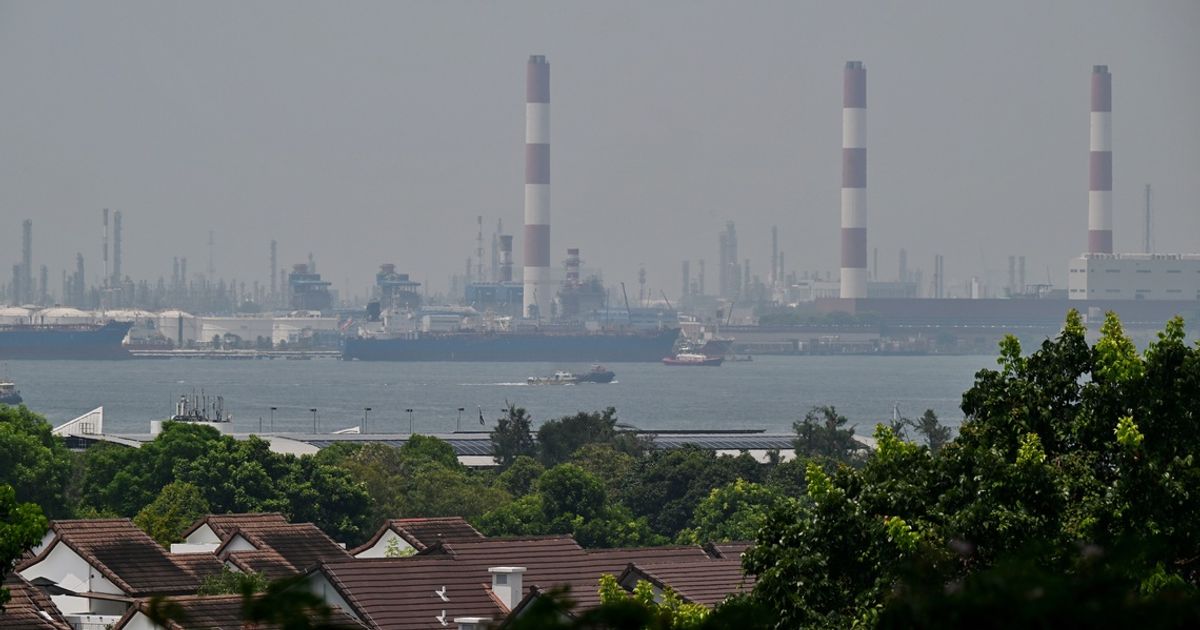
例如,新加坡计划将工业岛屿裕廊岛转型为可持续能源与化学品园区,具体做法包括提高生物燃料等可持续产品的产量,并提升工厂的能源效率。
For example, Singapore has plans to transform industrial Jurong Island into a sustainable energy and chemicals park, by increasing output of sustainable products such as biofuels, and boosting the energy efficiency of its factories.
各国如何在不让化石燃料行业的工人处于不利地位、或不导致低收入群体生活成本上升的情况下实现经济绿色转型,是今年会谈的一个核心焦点。
How countries can green their economies in ways that will not disadvantage workers in the fossil fuel sectors, or cause higher costs of living for lower-income groups, are a key focus at this year’s talks.
傅海燕表示:“我们正努力最大化推进行业转型和去碳化努力,同时确保我们的战略和增长优先事项。”
“We are striving to maximise sector transformation and decarbonisation efforts, even as we secure our strategic and growth priorities,” Fu said.
她还强调了新加坡为帮助这个在可再生能源方面处于劣势的国家减少电力部门排放而已经展开的各项努力,该部门占该国总排放量的40%。
She also highlighted the various efforts that Singapore has embarked on to help the renewable energy-disadvantaged country cut its emissions from the power sector, which contributes 40% of the nation’s total emissions.
新加坡目前有95%的能源需求依赖化石燃料天然气。但傅海燕表示,该国计划通过进口低碳电力以及探索开发各种低碳能源,来减少对天然气的依赖。新加坡还在研究部署核能和地热能等能源的潜力。
Singapore now relies on natural gas, a fossil fuel, for 95% of its energy needs. But Fu said the country plans to reduce its reliance on this by importing low-carbon electricity and exploring tapping various low-carbon energy sources. It is also studying the potential deployment of nuclear energy and geothermal energy, among other things.
但傅海燕指出,尽管新加坡正采取更多国内气候行动,但也认识到国际合作的重要性。
But even as Singapore moves to do more for climate action domestically, it also recognises the importance of international cooperation, Fu said.
新加坡在11月17日向太平洋小岛国发起的一项基金承诺出资50万美元(合64.4万新加坡元),以增强这些国家应对气候变化和自然灾害的韧性。
Singapore on Nov 17 pledged US$500,000 (S$644,000) to a fund called for by small island nations in the Pacific to strengthen their resilience against climate change and natural disasters.
她表示:“这体现了我们对支持太平洋地区加强社区层面气候韧性和防灾备灾工作的承诺。”太平洋岛国希望通过该基金筹集5亿美元。
“This reflects our commitment to supporting the Pacific’s efforts to strengthen climate resilience and natural disaster preparedness at the community-level,” she said. Pacific island nations are hoping to raise US$500 million under the fund.
这个名为“太平洋韧性设施”(Pacific Resilience Facility)的共和国出资项目,是当天(11月17日)启动的更广泛的“新加坡绿色合作计划”的一部分。
The Republic’s contribution to the Pacific Resilience Facility is part of the broader Singapore Green Cooperation Programme, which was also launched on Nov 17.
该计划整合了新加坡所有与气候相关的发展伙伴关系倡议,包括扩大对发展中国家伙伴的支持。
The programme pulls together all of Singapore’s climate-related development partnership initiatives, including its expanded support for developing country partners.
该计划还包括与伙伴国家分享该国在碳市场等领域的专业知识,并透过赠款和混合融资机制为发展中国家提供支持。
The programme also entails sharing the nation’s expertise in areas like carbon markets with partner countries and providing support for developing countries through grants and blended finance mechanisms.
她补充说,新加坡相信贸易可以成为气候行动的推动力,并支持各国的去碳化努力。
She added that Singapore believes that trade can be an enabler of climate action and support countries’ decarbonisation efforts.
傅海燕表示:“开放、可预测且运转良好的贸易可以促进并鼓励清洁能源、低碳商品和服务实现更大规模的流动。”
“Open, predictable and well-functioning trade can facilitate and encourage greater flow of clean energy, low-carbon goods and services,” Fu said.
在区域合作方面,傅海燕表示,随着新加坡在2027年担任东盟轮值主席国,这将是一个适时的机遇,可与该集团合作推进有助于促进气候行动的倡议。其中之一是东盟电网,这将允许该地区的国家之间自由交易电力。
On regional cooperation, Fu said that as Singapore assumes the ASEAN chairmanship in 2027, it will be a timely opportunity to work with the bloc on initiatives that can help promote climate action. One of these is the ASEAN power grid, which will allow countries in the region to trade electricity freely with one another.
她补充说,作为2027年东盟轮值主席国,新加坡将在推进这一进程中发挥建设性作用。应对跨界雾霾是新加坡希望与东盟邻国合作的另一个问题。
EAN Chair in 2027, Singapore will play a constructive role in advancing this, she added. Tackling transboundary haze is another issue that Singapore wants to work with its neighbours in ASEAN on.
这位部长表示,雾霾表明了泥炭地、森林管理和气候变化是如何紧密相连的。“雾霾并非不可避免的季节性现象。通过企业负责任地管理土地、有效的执法和区域合作,它是可以被预防的,”她说道。
Haze shows how peatland, forest management and climate change are closely linked, the minister said. “Haze is not an inevitable seasonal phenomenon. It can be prevented through companies responsibly managing their land, effective enforcement and regional cooperation,” she said.
总体而言,新加坡在2026年经历了超过七周的雾霾,空气质量于9月4日首次进入不健康范围。
Overall, Singapore experienced more than seven weeks of haze in 2026, where air quality first entered the unhealthy range on Sept 4.
随着气候变化的影响加剧,联合国已呼吁各国采取措施,保护民众免受变化无常的天气模式和极端天气事件的影响。
As the impacts of climate change worsen, the UN has called on countries to take steps to protect their people from changing weather patterns and extreme weather events.
傅海燕表示,新加坡在这方面也在采取行动,推出新的政策举措和研究计划,以帮助这个热带国家的民众应对气温上升等气候影响。
Fu said Singapore is also moving on this front, rolling out new policy initiatives and research programmes to help people in the tropical country cope with rising temperatures, among other climate impacts.
例如,新加坡已于3月成立了一个耐热办公室,以协调各部门应对热浪的措施,并启动了一项4000万新元的针对弱势群体防暑研究的计划。
For instance, Singapore had in March established a heat resilience office to coordinate heatwave response measures across various sectors, and launched a S$40 million initiative on heat-related research for the vulnerable groups.
傅海燕还表示,新加坡将制定其首个国家适应计划,并于2027年发布。
Singapore will also be developing its first national adaptation plan that will be released in 2027, said Fu.
她指出,这涉及对海岸、洪水、酷热和粮食韧性等方面的适应措施进行全面审查。
This involves a comprehensive review of adaptation measures across coastal, flood, heat and food resilience, she noted.
傅海燕表示,尽管面临日益严峻的挑战,新加坡仍致力于实现其气候目标,并敦促其他国家也这样做。
Fu said that Singapore is committed to meeting its climate targets despite mounting challenges, and urged other countries to do the same.
她说道:“《气候变化框架公约》第三十一届缔约方大会(COP31)必须发出一个明确信号,即关于气候变化的多边合作能够并且正在继续推动全球气候行动。”
“COP31 must send a clear signal that multilateral cooperation on climate change can and is continuing to drive global climate action,” she said.
“全球气候合作的下一阶段必须更加强调落实……这将要求我们维护多边合作,即使在难以达成共识的时候也是如此。”
“The next phase of global climate cooperation must place greater emphasis on implementation… It will require us to preserve multilateral cooperation, even when consensus is difficult.”