北约通信与信息局负责人周二表示,北约必须随时做好应对冲突的准备,并敦促各盟国在危机爆发前将新技术投入使用。
NATO must be ready for conflict at any moment, the head of its communications and information agency said Tuesday, urging allies to put new technology into service before a crisis erupts.
北约通信与信息局(NCIA)总经理迪伦·布朗在“北约前沿2026”活动开幕式上发表了上述讲话。该活动于周二至周四在土耳其西部伊兹密尔省举行。他强调,等到危机爆发才行动意味着为时已晚。
Dylan Browne, general manager of the NATO Communications and Information Agency (NCIA), spoke at the opening of NATO EDGE 2026, which runs from Tuesday through Thursday in Türkiye’s western province of Izmir. Waiting until a crisis erupts would mean acting too late, he stressed.
布朗表示,北约成员国已承诺到2035年将国内生产总值的5%用于国防和安全。
Browne said NATO members have committed to spending 5% of their gross domestic product on defense and security by 2035.
他说,北约领导人在7月于安卡拉举行的峰会上还批准了500亿美元的新采购项目。
Alliance leaders also approved $50 billion in new procurement projects at their July summit in Ankara, he said.
他将这一转变称为“北约3.0”,以技术为核心,由全部32个盟国共同承担落实责任。
He described the shift as “NATO 3.0,” with technology at its center and all 32 allies sharing responsibility for putting it into practice.
布朗表示,北约领导人同意建立一个跨大西洋作战云,并采用先进的人工智能模型。
NATO plans transatlantic warfighting cloud Browne said NATO leaders agreed to establish a transatlantic warfighting cloud and adopt advanced AI models.
他说,这项技术必须在北约总部以及飞机、舰艇和潜艇上都能运行,并且从一开始就内置网络安全防护。
The technology must work across NATO headquarters and aboard aircraft, ships and submarines, he said, with cybersecurity built in from the start.
布朗承认外界批评北约行动过于缓慢、流程过于复杂,但他表示,北约正变得更加灵活。
Acknowledging criticism that NATO moves too slowly and its processes are overly complex, Browne said the alliance is becoming more agile.
他宣布计划在未来两年内,在人工智能、网络安全、云技术、指挥控制系统和太空相关活动领域创造27亿欧元(31亿美元)的商业机会。
He announced plans to generate €2.7 billion ($3.1 billion) in business opportunities over the next two years across AI, cybersecurity, cloud technologies, command-and-control systems and space-related activities.
布朗敦促全部32个成员国的企业提供能够在盟国系统间通用的安全技术,并按时、按预算交付。
Browne urged companies from all 32 member states to supply secure technology that works across allied systems and to deliver it on time and within budget.
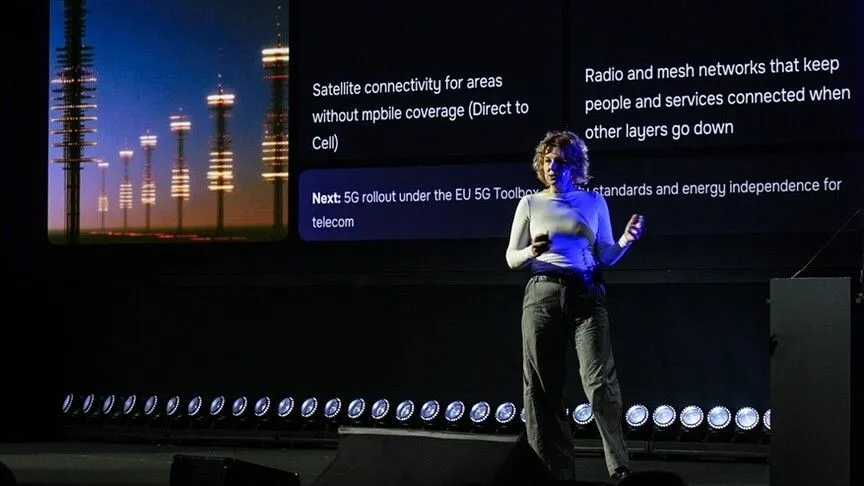
乌克兰数字转型部长奥克萨娜·费尔丘克表示,俄罗斯9月的攻击针对了乌克兰的数据中心、移动运营商和网络连接点。
Ukraine warns of cyber threats Ukrainian Digital Transformation Minister Oksana Ferchuk said Russian attacks in September targeted Ukraine’s data centers, mobile operators and network connection points.
她说,各国需要多种方式来保持通信畅通,包括民用和军用移动网络以及卫星链路。
She said countries need several ways to keep communications running, including civilian and military mobile networks and satellite links.
费尔丘克警告称,攻击者正越来越多地利用人工智能瞄准关键基础设施。
Ferchuk warned that attackers are increasingly using AI to target critical infrastructure.
她说,乌克兰还将人工智能整合到军事装备中,以实现自主作战并分析大量数据。
Ukraine has also integrated AI into military equipment to enable autonomous operations and analyze large volumes of data, she said.
她呼吁加快采用新技术、改进采购流程,并加强对私营运营数字服务的保护。
She called for faster adoption of new technology, improvements in procurement and stronger protection for privately operated digital services.
土耳其强调数字合作。土耳其副总参谋长莱文特·埃尔贡将军强调了北约数字化转型在加强盟国之间协调与决策方面的重要性。
Türkiye emphasizes digital cooperation Turkish Deputy Chief of General Staff General Levent Ergun highlighted the importance of NATO's digital transformation in strengthening coordination and decision-making among allies.
他说,武装冲突、恐怖主义、地区不稳定和网络威胁都凸显了加强防备的必要性。
Armed conflicts, terrorism, regional instability and cyber threats all underscore the need for greater preparedness, he said.
埃尔贡还强调了安卡拉峰会上通过的北约创新规模化一揽子计划所创造的机遇,尤其是联盟与国防工业公司之间的合作机遇。
Ergun also emphasized opportunities created by the NATO Innovation Scaling Package adopted at the Ankara summit, particularly for cooperation between the alliance and defense industry companies.