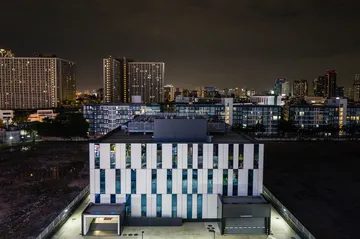
泰国外交部长西哈萨·蓬凯特克奥表示,美国对高端半导体出口和使用的新限制措施,可能会削弱泰国成为数据中心枢纽的雄心。
New US restrictions on the export and use of high-end semiconductors risk denting Thailand’s ambitions to be a hub for data centers, according to its top diplomat.
西哈萨在接受彭博电视采访时说,本周宣布的新规则——正值美国总统特朗普访问亚洲之际——可能会影响泰国的雄心,“我们现在必须更加小心。”
Foreign Minister Sihasak Phuangketkeow said in a Bloomberg Television interview that the new rules, announced this week just as US President Donald Trump traveled to Asia, could impact its ambitions and that “we have to be more careful now.”
西哈萨指的是华盛顿为阻止北京获取英伟达等公司最先进半导体所做的努力,他说:“他们担心这些芯片被送往他们不希望送达的某些地方。我认为我们早就预见到了。”新法规针对四个东南亚国家——马来西亚、新加坡、泰国和印度尼西亚。这些国家被怀疑是芯片被转运往中国的地点,或者是中国企业可以远程访问存放该技术的数据中心的地点。
“They have concerns about these chips being sent to certain places where they they don’t want them to be sent,” Sihasak said, referring to Washington’s efforts to block Beijing’s access to most advanced semiconductors from Nvidia Corp. and others. “I think we saw it coming.”The new regulations target four Southeast Asian nations — Malaysia, Singapore, Thailand and Indonesia. They’re suspected as locations where chips have been rerouted to China or where Chinese firms can remotely access data centers housing the technology.
西哈萨说:“这些国家中有很多都是美国的朋友和伙伴。我们将不得不与美国讨论我们将怎么做,看看我们将如何应对。”彭博新闻社5月曾报道,泰国国家人工智能计划背后的一家关键公司,是被怀疑协助将价值数十亿美元、装载先进英伟达芯片的服务器走私到中国的公司之一,阿里巴巴集团控股有限公司是最终用户之一。
“Many of these countries are friends and partners of the United States,” Sihasak said. “We’re going to have to talk with the US about what we’re going to do, and we’ll see how we’re going to handle that.”Bloomberg News reported in May that a key company behind Thailand’s national AI effort is among firms suspected of helping to smuggle billions of dollars worth of servers containing advanced Nvidia chips to China, with Alibaba Group Holding Ltd. among the end users.
得益于与人工智能相关的投资热潮(包括数据中心建设)以及出口增强,泰国经济第三季度增长2.9%,抵消了其他行业持续的疲软。
A boom in AI-related investment, including data center development, and stronger exports helped propel Thailand’s economy to 2.9% growth in the third quarter, offsetting persistent weakness in other sectors.
西哈萨是在总理阿努廷·占维拉库尔与特朗普签署一份贸易相关声明、标志着一项贸易协定近乎完成后不久发表上述言论的。泰国在先前曾抵制的一些关键点上作出让步,包括取消对美国商品的所有关税,并向美国猪肉开放市场。他说:“我们都必须做出牺牲和妥协。”
Sihasak spoke shortly after Prime Minister Anutin Charnvirakul signed a trade-related statement with Trump, marking the near-completion of a trade deal. Thailand conceded on some keys points that it had resisted earlier, including removing all tariffs on US goods and opening its market to US pork. “We all have to make sacrifices and compromises,” he said.
当被问及美国是否在贸易谈判中将芯片问题作为筹码时,西哈萨表示,“我们尽量不那样看待”,并补充说这些法规并非针对泰国或其邻国,而是旨在防止这些芯片流入中国。
Asked if the US had used the chip issue as leverage in trade talks, Sihasak said “we try not to look at it that way,” adding that the regulations aren’t aimed at Thailand or its neighbors but intended to keep those chips out of China.