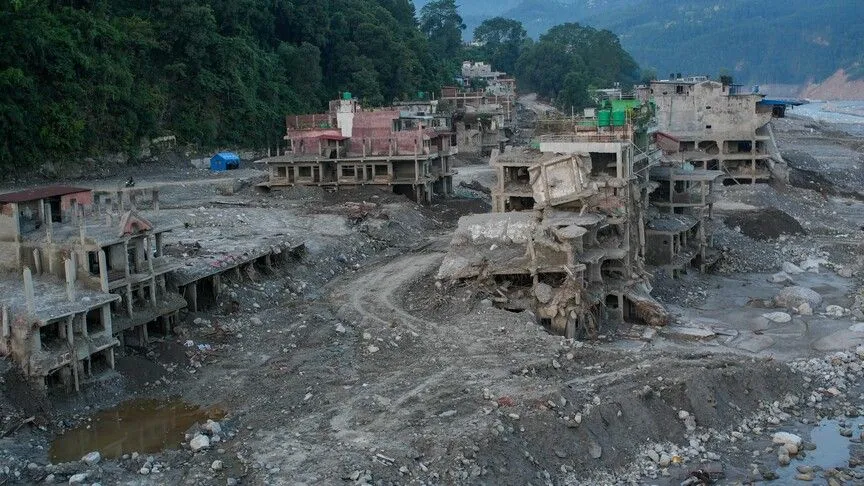
欧洲保险协会一位高级官员向阿纳多卢通讯社表示,如果不在韧性建设、预防和适应方面加大投资,全球保险市场将无法承受气候相关灾害不断攀升的成本。
Global insurance markets cannot absorb the mounting costs of climate-related disasters without greater investment in resilience, prevention and adaptation, a senior Insurance Europe official told Anadolu.
欧洲保险协会个人与一般保险负责人尼古拉·让马尔在土耳其安塔利亚举行的联合国第31次缔约方会议(COP31)气候峰会期间,于土耳其保险协会主办的“保险之家”活动间隙发表上述讲话。
Nicolas Jeanmart, head of personal and general insurance at Insurance Europe, spoke on the sidelines of the UN's 31st Conference of the Parties (COP31) climate summit in Antalya during an Insurance House event organized by the Turkish Insurance Association.
让马尔表示,COP31等活动为全球领导人提供了一个重要平台,使其能够聚焦削减碳排放,并加快适应已经显现的气候影响。
Jeanmart said events such as COP31 provide an important platform for global leaders to focus on cutting carbon emissions and accelerating adaptation to climate impacts already being felt.
他说:“损失发生时,保险公司提供财务保障,但其作用远不止于此。借助风险数据、建模和理赔经验,保险公司可以帮助政府、企业和个人更好地理解气候相关风险,并找出降低风险的措施——随着风险发生频率和强度不断上升,这种预防作用正变得越来越重要。”他补充说:“与此同时,保险公司是重要的长期投资者,在支持向更可持续的经济转型方面可以发挥重要作用。”
“Insurers provide financial protection when losses occur, but their role goes much further,” he said. “Through risk data, modeling and claims experience, insurers can help governments, businesses and individuals better understand climate-related risks and identify measures to reduce them — this role in prevention is becoming ever more important with risks increasing in frequency and intensity.”“At the same time, insurers are major long-term investors and have an important role to play in supporting the transition towards a more sustainable economy,” he added.
让马尔表示,气候变化正在重塑风险格局,要求保险公司调整评估和管理风险的方式。
Jeanmart said climate change is reshaping the risk landscape, requiring insurers to adapt how they assess and manage risks.
他敦促行业更多利用前瞻性数据和模型,将灾害、风险暴露和脆弱性的变化纳入考量。
He urged the industry to make greater use of forward-looking data and models that account for changes in hazards, exposure and vulnerability.
但他强调,仅靠调整保险产品不足以应对日益增长的气候风险,并着重指出预防和适应的重要性。
However, he stressed that adjusting insurance products alone would not be enough to address growing climate risks, emphasizing the importance of prevention and adaptation.
“如果我们希望保险在长期内保持可获得且负担得起,就需要通过更具韧性的基础设施、适当的土地利用规划、更严格的建筑标准,以及家庭和企业可采取的切实措施来保护其财产,从而降低潜在风险,”他说。“保险公司可以贡献其风险专业知识和理赔经验,提供切实的预防建议,并在适当情况下,在承保时认可有效的风险降低措施。”Jeanmart还强调了欧洲存在的保险保障缺口,并表示其成因因国家而异,取决于自然灾害风险敞口、保险市场结构、公共赔偿计划、风险意识和预防努力。
“If we want insurance to remain available and affordable over the long term, we need to reduce the underlying risks through more resilient infrastructure, appropriate land-use planning, stronger building standards and practical measures that households and businesses can take to protect their properties,” he said. “Insurers can contribute their risk expertise and claims experience, provide practical prevention advice and, where appropriate, recognize effective risk-reduction measures in their underwriting.”Jeanmart also highlighted the insurance protection gap in Europe, saying its causes vary across countries depending on exposure to natural hazards, insurance market structures, public compensation schemes, risk awareness and prevention efforts.
“家庭和企业可能低估其面临的风险,或者在某些情况下,指望公共机构在重大灾害发生后提供赔偿;这会减弱他们提前购买足额保险保障的动力,”他说。
“Households and businesses may underestimate the risks they face or, in some cases, expect public authorities to provide compensation following a major disaster; this can reduce incentives to take out adequate insurance protection in advance,” he said.
他指出,对韧性建设投资不足是另一个主要担忧,并指出在洪水高风险区持续进行住房开发。
He identified insufficient investment in resilience as another major concern, pointing to continued housing development in areas at high risk of flooding.
他补充道:“韧性建设需要置于所有决策的核心;确实,维持保险的可负担性和可获得性最可持续的方式,是通过预防和适应来减少预期损失。”
“Resilience needs to put at the center of all decisions; indeed, the most sustainable way to preserve affordable and available insurance is to reduce expected losses through prevention and adaptation,” he added.