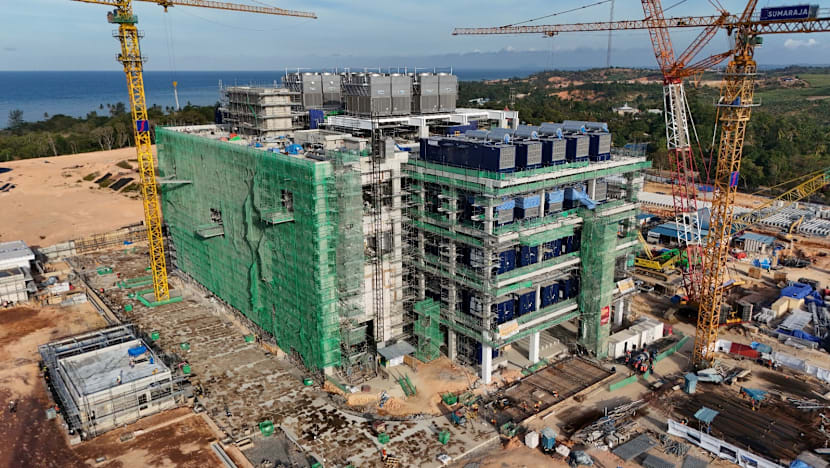
雅加达:印度尼西亚正在评估美国最近收紧对先进人工智能(AI)芯片出口限制的影响,专家表示此举可能损害该东南亚国家在科技领域的投资吸引力和国内运营。
JAKARTA: Indonesia is reviewing the impact of recently tightened United States restrictions on exports of advanced artificial intelligence (AI) chips a move which experts say could hurt the Southeast Asian country's investment allure and domestic operations in the technology sector.
印度尼西亚政府传播局(GCA)周三(11月18日)在给CNA的一份声明中说:“政府正在审查该措施,并征求业界意见,了解其对运营和投资的潜在影响,包括数据中心领域。”
"The Government is reviewing the measure and seeking industry input on its potential impact on operations and investment, including in the data centre sector," Indonesia's Government Communications Agency (GCA) said in a statement to CNA on Wednesday (Nov 18).
声明补充说,印度尼西亚愿意与相关对方进行“技术对话,以澄清该措施将如何适用,并支持合法商业用途继续获得先进计算技术”。
It added that Indonesia was open to "technical dialogue with relevant counterparts to clarify how the measure will apply and support continued access to advanced computing technology for legitimate commercial use".
周一,美国宣布将收紧对印度尼西亚、新加坡、马来西亚、泰国和巴西的先进AI芯片出口,理由是担心这五个国家可能被用作向中国转移芯片的渠道。
On Monday, the US announced that it would tighten exports of advanced AI chips to Indonesia, Singapore, Malaysia, Thailand and Brazil, citing concerns that the five countries could be used as routes to divert chips to China.
新规要求公司在向这五个国家出口、再出口或转让某些先进AI芯片时,必须获得美国政府许可证。
The new rules require companies to obtain US government licences to export, re-export or transfer certain advanced AI chips to the five countries.
分析师警告说,新措施可能影响投资者对该群岛国家芯片行业的态度。
alyst warned that the new measure could affect investors’ attitudes towards the archipelago’s chip sector.
印度尼西亚战略与国际研究中心(CSIS)研究员M Habib Abiyan Dzakwan说:“我认为投资者将更加谨慎,特别是来自西方国家的投资者,包括美国和欧洲。”
"I think investors will be much more cautious, especially those from Western countries, including the US and Europe," said M Habib Abiyan Dzakwan, a researcher at the Centre for Strategic and International Studies (CSIS) Indonesia.
限制措施还适用于为总部位于中国、俄罗斯、伊朗、古巴及其他受美国出口管制国家的公司提供大量算力的海外数据中心。
The restrictions also apply to overseas data centres that provide large amounts of computing capacity to companies headquartered in China, Russia, Iran, Cuba and other countries subject to US export controls.
政府传播局援引经济统筹部的数据称,印度尼西亚2025年半导体器件和电子集成电路出口额达到约41亿美元,高于2024年的15亿美元。
Citing figures from the Coordinating Ministry for Economic Affairs, the government communications agency said Indonesia's exports of semiconductor devices and electronic integrated circuits reached approximately US$ 4.1billion in 2025, up from US$1.5 billion in 2024.
印尼作为投资中心的吸引力下降 哈比布表示,这一举措可能会降低印尼作为人工智能产业投资目的地的吸引力。
LESS APPEAL AS INVESTMENT HUB Habib said the move could lessen the appeal of Indonesia as an investment destination for the AI industry.
他补充说,这些限制不一定会促使投资者放弃印尼,但可能会因额外的监管要求而使人工智能和数据中心的投资变得更加复杂。
He added that the restrictions would not necessarily prompt investors to abandon Indonesia, but could complicate investments in AI and data centres due to additional regulatory requirements.
他说:“以前,投资者可能只需要确保遵守印尼的法规,但随着当前事态的发展,他们还必须确保遵守美国的法规。”
"Previously, investors may have only needed to ensure compliance with Indonesian regulations, but with the current developments, they also have to ensure compliance with US regulations,” he said.
他还表示,预计投资者,特别是来自美国和欧洲的投资者,将更加谨慎,以确保进口到印尼的芯片不会被转移到其他国家。
Investors, particularly those from the US and Europe, are expected to exercise greater caution to ensure that chips imported into Indonesia are not diverted to other countries, he added.
经济与法律研究中心(CELIOS)数字经济研究员迪亚·阿尤表示,投资者可能会在等待进一步明朗的情况下暂缓决策,这存在风险。
Dyah Ayu, Digital Economy Researcher at Center of Economic and Law Studies (CELIOS), said there was a risk investors could potentially hold off on decisions while they wait for further certainty.
她说:“我认为……可能的最初反应是投资者等待许可要求更加明确,推迟最终投资决定,或在承诺额外的人工智能硬件支出前逐步建设产能,同时等待印尼政府对美国收紧出口许可规则的回应。”
“I think the … likely initial response would be for investors to wait for greater clarity on licensing requirements, postpone final investment decisions, or build capacity gradually before committing to additional AI hardware spending, while awaiting the Indonesian government's response to the tighter US export licensing rules,” she said.
哈比布补充说,政府应检查人工智能芯片进口数据,以确定进口量、使用芯片的行业以及运营这些芯片的数据中心。他说,这些数据将有助于解决美国对芯片可能被转移到其他国家的担忧。“最重要的是先与商界协商,”哈比布说。
Habib added that the government should examine AI chip import data to determine the volume of imports, the sectors using the chips and the data centres operating them. Such data, he said, would help address US concerns about the potential diversion of chips to other countries. "The most important thing is to consult the business community first," Habib said.
除了与美国接触外,印尼还应与新加坡、马来西亚和泰国协调,以了解它们对这些限制的反应,同时加强执法,防止芯片非法转移。
Beyond engaging with the US, Indonesia should also coordinate with Singapore, Malaysia and Thailand to understand their responses to the restrictions, while strengthening enforcement to prevent the illegal diversion of chips, he added.
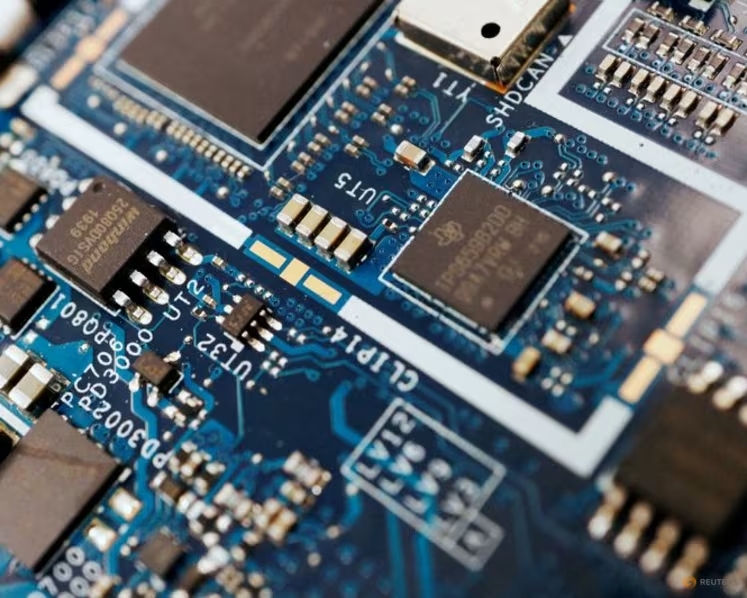
2022年2月25日拍摄的这张示意图显示,计算机电路板上可见半导体芯片。印度尼西亚战略贸易管控受审视据新加坡伊斯兰研究所-尤索夫·伊萨研究院(ISEAS-Yusof Ishak Institute)研究员玛丽亚·莫妮卡·维哈尔查(Maria Monica Wihardja)称,在受到美国限制影响的四个东南亚国家中,印度尼西亚是唯一缺乏专门战略贸易管理框架的国家。
Semiconductor chips are seen on a circuit board of a computer in this illustration picture taken on Feb 25, 2022. INDONESIA'S STRATEGIC TRADE CONTROLS UNDER SCRUTINY Indonesia is the only one of the four Southeast Asian countries affected by the US restrictions that lacks a dedicated strategic trade management framework, according to Maria Monica Wihardja, a fellow at ISEAS-Yusof Ishak Institute in Singapore.
她说,新加坡和马来西亚已有出口管制法律或战略贸易管理框架,而泰国尚未完全实施其框架。与此同时,印度尼西亚依赖海关、进出口及行业特定法规的拼凑组合。
Singapore and Malaysia already have export control laws or strategic trade management frameworks, while Thailand has yet to fully implement its framework. Indonesia, meanwhile, relies on a patchwork of customs, import-export and sector-specific regulations, she said.
维哈尔查此前对CNA表示:“此类出口管制的缺失……削弱了出口环节,意味着进口商品可能在没有明确法律后果的情况下被松散地再出口到别处。”
"The absence of such export control … weakens export links, meaning an imported good may be loosely re-exported elsewhere without clear legal consequences," Wihardja previously told CNA Dyah said that the bigger concern was not simply the relocation of investments, but a shift in who controls the industry.
迪亚表示,更大的担忧不仅仅是投资搬迁,而是行业控制权的转移。
“Domestic operators could find it increasingly difficult to build their own capacity and end up merely becoming customers of global providers, leaving Indonesia increasingly dependent on foreign technology as a consumer,” she said.
她说:“国内运营商可能会发现越来越难以建立自身能力,最终沦为全球供应商的单纯客户,导致印度尼西亚作为消费者对外国技术的依赖日益加深。”
Indonesia's communications agency said the government is currently developing a framework to facilitate legitimate trade while reducing the risk of dual-use goods and technologies being diverted or misused.
印度尼西亚通信部门表示,政府目前正在制定一项框架,以便利合法贸易,同时降低两用物项和技术被转移或滥用的风险。
According to the agency, the initiative reflects Indonesia's commitment to "keeping its trade and investment environment open, predictable and trusted" and supports President Prabowo Subianto's direction to develop the country's semiconductor industry and strengthen its role in global supply chains.
据该部门称,该举措体现了印度尼西亚“保持其贸易和投资环境开放、可预期且值得信赖”的承诺,并支持普拉博沃·苏比安托总统发展该国半导体产业、强化其在全球供应链中作用的方向。
"We expect companies operating in Indonesia to comply with applicable trade and export control requirements.
该部门表示:“我们预期在印度尼西亚运营的公司遵守适用的贸易和出口管制要求。任何违反印度尼西亚法律的行为将通过适当的法律程序予以处理。”
Any violations of Indonesian law will be addressed through the appropriate legal processes," the agency said.