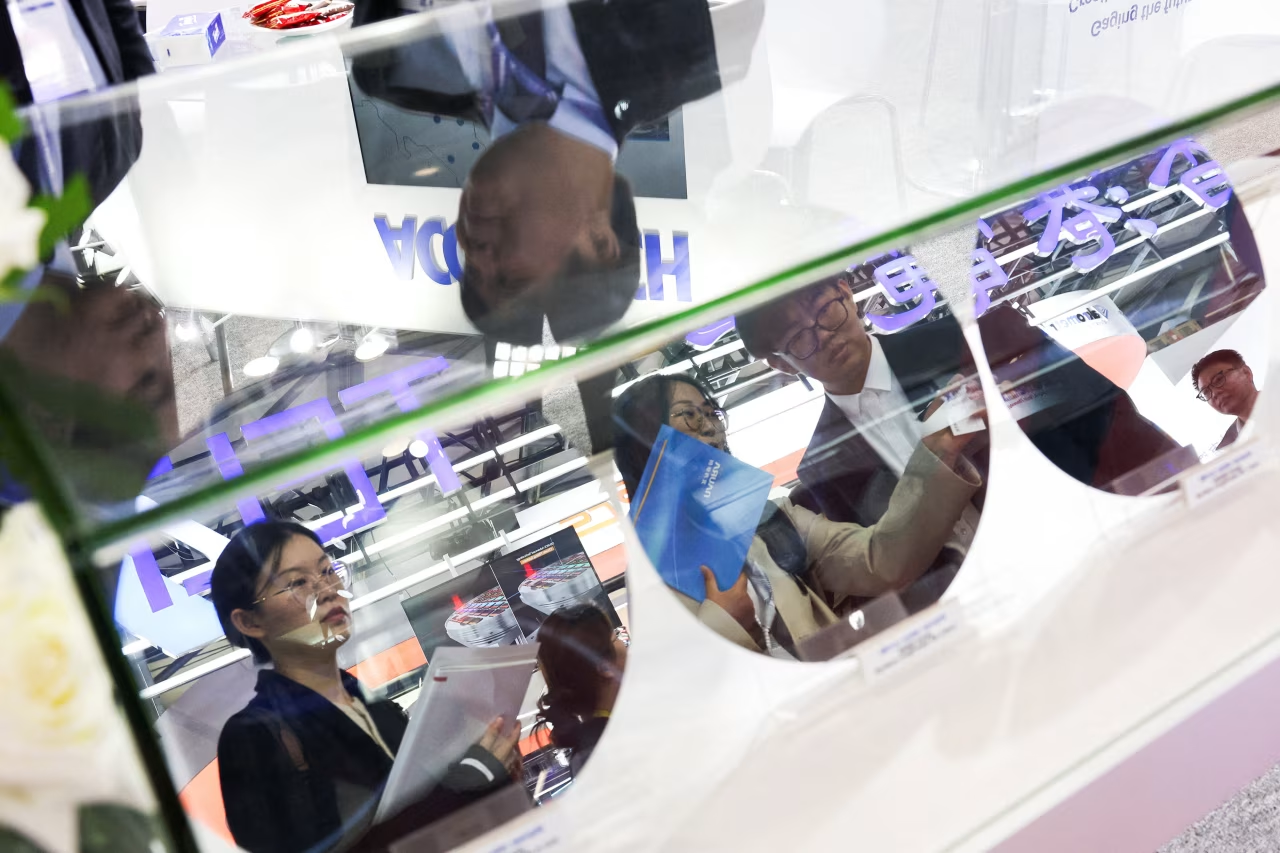
中国的科技巨头在试图跟上美国竞争对手在人工智能前沿的步伐时,步履已显蹒跚。在英伟达丑闻爆发后出台的新美国规则,将使它们的脚步更加沉重。
China’s tech champions were already limping as they tried to keep pace with American competitors at the cutting edge of artificial intelligence. New U.S. rules issued in the aftermath of the scandal at Nvidia are set to slow them down even more.
美国商务部本周表示,正在堵住漏洞,这些漏洞曾允许中国公司通过远程访问中国境外(尤其是东南亚)的数据中心,来规避对英伟达最强大AI芯片的出口限制。
The Commerce Department this week said it was closing loopholes that allowed Chinese companies to bypass export restrictions on Nvidia’s most powerful AI chips by remotely accessing them through data centers outside China, especially in Southeast Asia.
据知情人士透露,新规针对的是像Megaspeed这样的公司,后者在该地区建设了数据中心,并安排将价值数十亿美元的顶级英伟达芯片运往中国。英伟达创始人黄仁勋与Megaspeed前高管Alice Huang的婚外情曝光,毁了这位创始人的职业生涯,并招致了美国证券交易委员会的调查。
The rule targets companies like Megaspeed, which built data centers in the region and arranged for billions of dollars’ worth of top-of-the-line Nvidia chips to be shipped to China, according to people familiar with the situation. The revelation of an affair between Jensen Huang and former Megaspeed executive Alice Huang has blown up the Nvidia founder’s career and invited an investigation by the Securities and Exchange Commission.
新规已经产生了影响。据知情人士透露,银行家们正在重新评估为新加坡公司Aolani Cloud采购英伟达芯片提供融资的计划,该公司旨在为中国科技巨头字节跳动提供算力。
The new rules are already having an impact. Bankers are reassessing plans to finance the purchase of Nvidia chips by Singapore-based Aolani Cloud to provide computing power to Chinese tech giant ByteDance, according to a person familiar with the matter.
Aolani发言人表示,公司正在努力确保自身保持合规。中国商务部抨击新规是滥用出口管制。
An Aolani spokesman said the company was working to ensure it remains compliant. China’s Ministry of Commerce slammed the new rules as an abuse of export controls.

切断中国获取美国高端算力的举措,给北京的AI前景带来了沉重打击,尤其是在短期内。在推动AI进步的许多因素上,如工程人才和能源获取,中国与美国持平或甚至超越美国。但在制造最好芯片方面,中国至少落后美国10年。
The move to cut off China from high-end American computing power delivers a heavy blow to Beijing’s AI prospects, particularly in the near term. China matches or beats the U.S. in many of the factors that drive progress in AI, such as engineering talent and access to energy. But it is at least 10 years behind the U.S. in making the best chips.
尽管中国政府大力推动国产芯片发展,但该国顶尖人工智能实验室在构建旗舰模型时,尤其是在密集的早期训练阶段,仍持续依赖英伟达硬件。美国限制向中国出口英伟达最先进芯片,导致许多实验室通过马来西亚、印度尼西亚等地的数据中心获取这些芯片来训练模型。这一变通办法可能不再奏效。
Despite a push by China’s government to promote the country’s domestic chips, the country’s top AI labs have continued to rely on Nvidia hardware to build their flagship models, especially during intensive early-stage training. U.S. restrictions on exports of Nvidia’s most advanced chips to China led many labs to access them through data centers in places like Malaysia and Indonesia to train their models. That workaround may no longer work.
这对中国人工智能行业而言,时机也十分糟糕,该行业一直难以实现盈利。
It also comes at a bad time for the Chinese AI industry, which has been struggling to generate profits.
人工智能基础设施数据与咨询公司SemiAnalysis的研究总监丹尼尔·尼什鲍尔表示:“新规将切断大多数中国实验室的远程访问渠道。”
“The new regulations will close the door to most Chinese lab remote access,” said Daniel Nishball, director of research at SemiAnalysis, an AI-infrastructure data and consulting firm.
据业内人士透露,中国人工智能公司已在探索通过当地实体、且无明显中国关联的方式,接入美国和欧洲的数据中心。但人士称,此类安排风险较大,且难以找到足够大的算力集群来训练新模型。
Chinese AI companies are already exploring ways to access data centers in the U.S. and Europe through local entities without obvious ties to China, according to industry insiders. But such arrangements will be risky, and finding clusters of computing power big enough to train new models will be difficult, the insiders say.
中国已利用走私硬件(包括英伟达Blackwell芯片)建成多个大型国内算力集群。但人士表示,这些远远不足以满足人工智能训练需求。
China has managed to build several large domestic computing clusters using smuggled hardware, including Nvidia’s Blackwell chips. Still, the insiders say those are far from enough to meet AI training demand.
填补算力空白的重任将主要落在华为技术身上,这家中国科技设备巨头也是国内最强人工智能芯片的生产商。该公司利用其电信业务的网络专长,将数十万颗人工智能芯片捆绑成集群,称其性能逼近尖端美国芯片。
The task of filling the void in computing power will fall heaviest on Huawei Technologies, the Chinese tech-equipment giant and producer of the country’s most powerful domestic AI chips. The company has used networking expertise from its telecommunications business to bundle together hundreds of thousands of AI chips into clusters that it says approach the performance of cutting-edge American silicon.
知情人士透露,中国人工智能初创公司深度求索一直在用华为升腾芯片训练其下一代旗舰模型V5。人士称,如果新模型能成功主要使用华为硬件完成训练,将表明国产芯片具备大规模前沿人工智能训练能力。
Chinese AI startup DeepSeek has been training its next flagship model, V5, on Huawei’s Ascend chips, people familiar with the matter said. If the new model is successfully trained mainly using Huawei’s hardware, that would indicate Chinese domestic chips are capable of large-scale frontier AI training, they said.
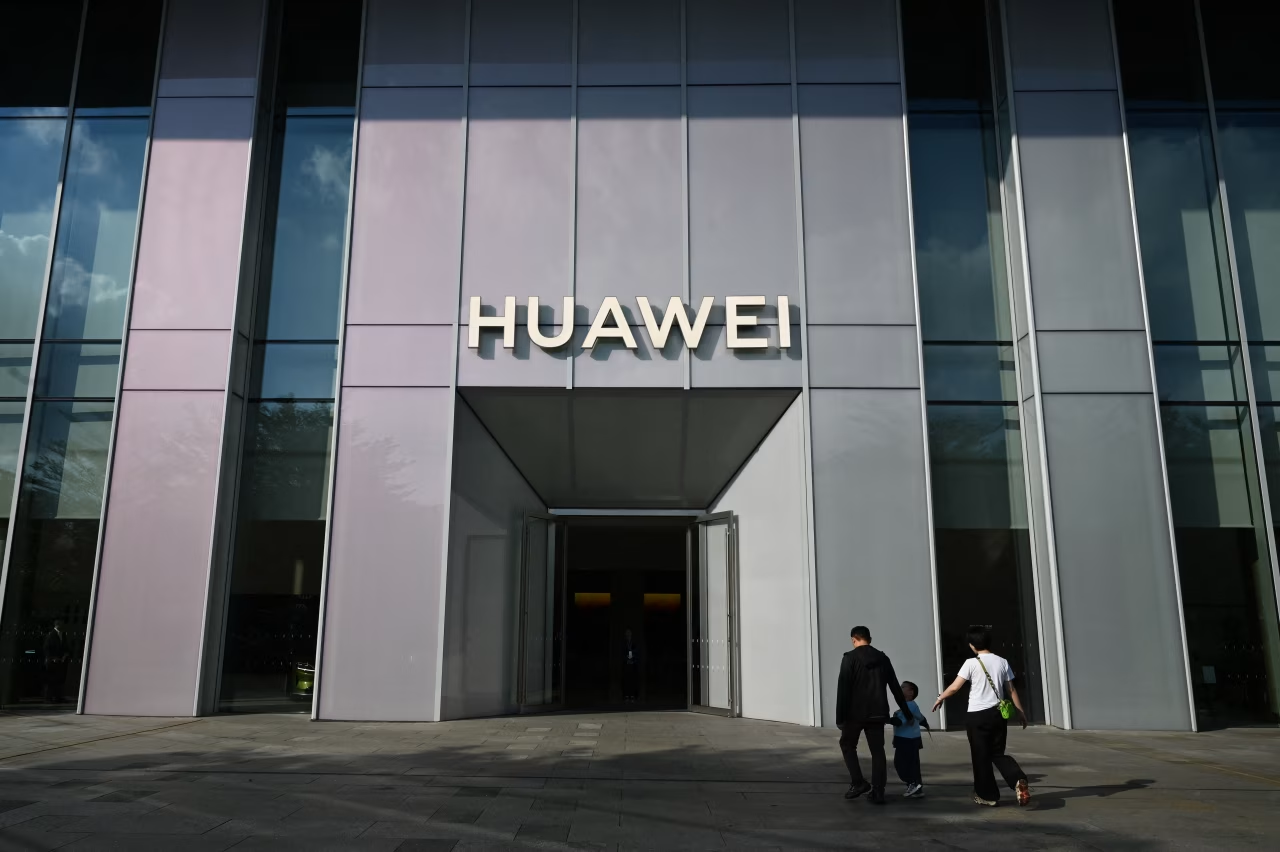
据《The Information》首次报道,DeepSeek 计划依赖华为硬件训练 V5 模型。
DeepSeek’s plan to rely on Huawei hardware to train V5 was first reported in the Information.
华为在 9 月表示,计划明年推出两款新的 AI 芯片,并计划在 2028 年和 2029 年进一步发布新品。根据双方发布的规格,这些芯片能提供的算力仍将落后于英伟达最好的芯片。即使合作成功且新芯片按时推出,华为还面临另一个问题。
Huawei said in September that it plans to introduce two new AI chips next year, with further releases planned for 2028 and 2029. The computing power that these chips can deliver will still trail the best Nvidia chips, according to specifications released by the two companies. Even if the collaboration proves successful and the new chips arrive on time, Huawei faces another problem.
美国对芯片制造设备的出口管制,意味着中国难以大量生产高质量 AI 芯片。华为被美国列入黑名单,面临更严格的芯片制造工具获取限制。华为计划今年生产其最新芯片约 75 万颗,远低于需求。
U.S. export controls on chip-making equipment mean China struggles to produce high-quality AI chips in large quantities. Huawei was blacklisted by the U.S. and faces even stricter limits on access to chip-making tools. Huawei’s planned production of its latest chip—around 750,000 this year—falls far short of demand.
华为已将许多此类芯片安装在内蒙古和林格尔县的一个庞大设施内。根据美国研究公司 Epoch AI 近期的分析,这是中国最大的数据中心之一,但其算力仍仅为美国最大数据中心——位于田纳西州的 SpaceX Colossus 2——的约 7%。
Huawei has installed many of those chips inside a sprawling facility in Inner Mongolia’s Horinger County. It is one of the largest data centers in China, but it still only offers around 7% of the computing power of the largest data center in the U.S., SpaceX’s Colossus 2 in Tennessee, according to recent analysis by Epoch AI, a U.S.-based research firm.
算力短缺在中国已显现。自 11 月中旬以来,DeepSeek 对其聊天机器人实施了限制,包括限制其读取文档的长度。据知情人士透露,该公司正在重新分配算力资源,优先保障训练任务。
Computing shortages are already apparent in China. Since mid-November, DeepSeek has imposed restrictions on its chatbot, including limits on the length of documents it would read. The company was reallocating its computing resources to give priority to training workloads, according to people familiar with the matter.
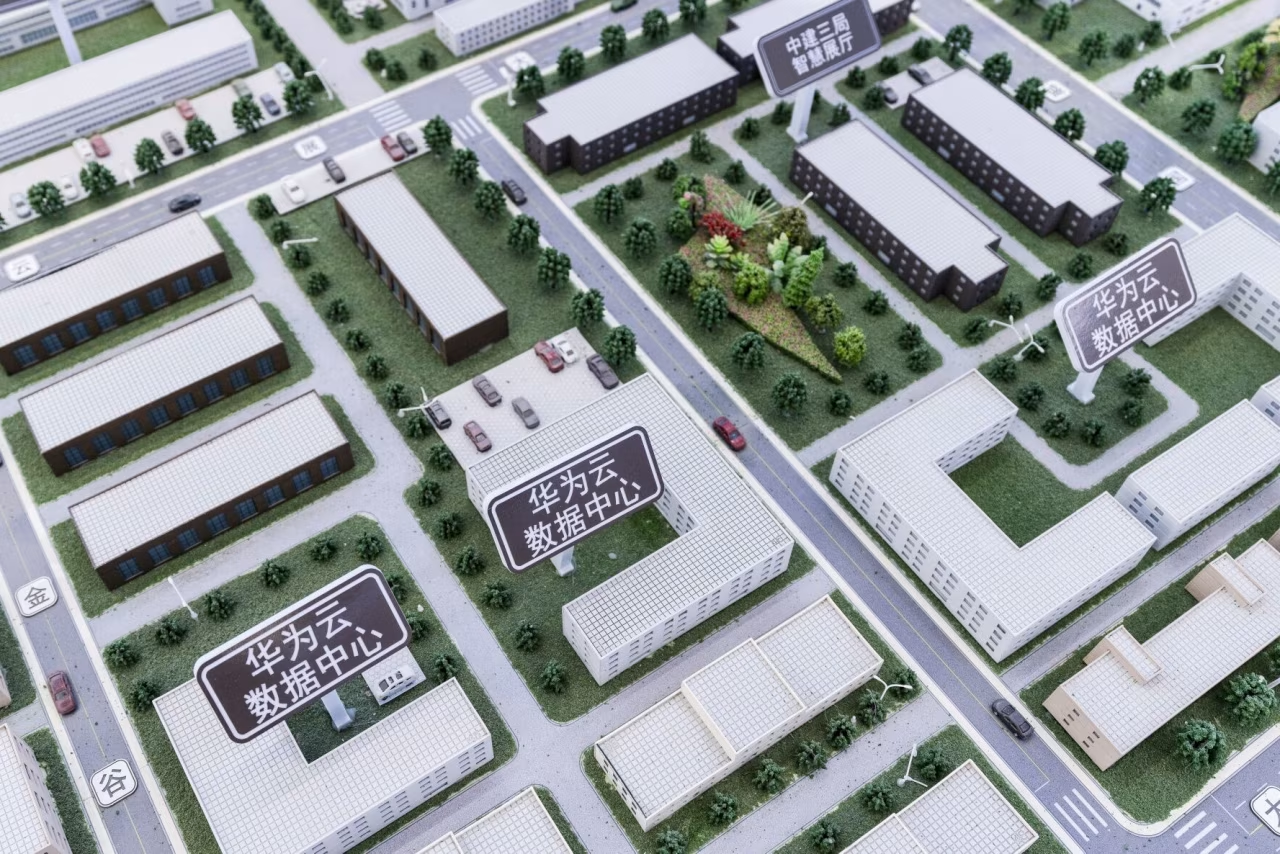
Moonshot(月之暗面)在 7 月发布旗舰模型 Kimi K3 后不久暂停了新用户订阅。随后在 10 月,该公司因发布更新版模型 Kimi K3.1 Pro 后限制使用而道歉。
Moonshot suspended new subscriptions shortly after it released its flagship Kimi K3 model in July. Then in October, the company apologized for limiting usage after releasing an update to the model, Kimi K3.1 Pro.
DeepSeek、Moonshot AI 和阿里巴巴的工程师表示,过去一年研究进度,尤其是新模型的发布节奏,曾多次放缓,部分原因是算力短缺。
Engineers working for DeepSeek, Moonshot AI and Alibaba said the pace of research, especially in rolling out new models, has repeatedly slowed down in the past year, partly due to computing capacity shortages.
DeepSeek 和 Moonshot AI 未回复置评请求。阿里巴巴拒绝置评。
DeepSeek and Moonshot AI didn’t respond to requests for comment. Alibaba declined to comment.
中国获取美国芯片的渠道可能进一步收紧。美国议员正在考虑对芯片技术和芯片制造设备实施新的出口管制,其中包括赋予国会阻止特定出口许可证的权力。
Chinese access to U.S. chips could get even tighter. American lawmakers are considering new export controls on chip technology and chip-making equipment, including giving Congress the authority to block specific export licenses.
周三,国会设立的美中经济与安全审查委员会建议出台新规,禁止向中国出口任何会导致芯片制造或人工智能产能从美国转移的芯片。
On Wednesday, the congressional U.S.-China Economic and Security Review Commission recommended new rules blocking any export of chips to China that would divert chip manufacturing or AI capacity from the U.S.
包括英伟达前首席执行官黄仁勋在内的批评者认为,中国应继续依赖美国技术,而不是在美国控制之外自行开发芯片。管制支持者表示,中国领导人习近平已将发展国内芯片供应作为国家安全事项置于优先地位。
Critics, including former Nvidia CEO Huang, have argued that China should remain reliant on American technology rather than developing its own chips outside U.S. control. Proponents of controls say Chinese leader Xi Jinping has prioritized developing domestic chip supplies as a matter of national security.
美中经济与安全审查委员会副主席迈克·库肯表示:“中国已经决定了行动方针,即他们打算窃取技术、自行开发技术,或者两者兼而有之。在他们看来,不能依赖民主世界的技术。”总部位于美国的研究公司Tech Buzz China创始人马睿表示,收紧对美国技术的获取可能会加快中国的时间表,促使国内科技公司更认真地投入芯片开发。
“The Chinese have decided the course of action here, which is they intend to either steal the technology or build the technology, or both,” said Mike Kuiken, vice chair of the U.S.-China Economic and Security Review Commission. “They cannot, in their view, be dependent on the democratic world’s technologies.”Tightening access to American technology could accelerate China’s timeline by encouraging domestic tech companies to devote more serious attention to developing chips, said Rui Ma, founder of Tech Buzz China, a U.S.-based research firm.
但考虑到中国在芯片技术方面仍远落后于美国,因失去获取美国算力的机会而感受到的任何压力,都不太可能产生即时进展。马睿说:“这将需要一段时间。”
But given how far China remains behind the U.S. in chip technology, any pressure the country feels from losing access to American computing power isn’t likely to produce immediate progress. “It is going to take a while,” said Ma.