特拉维夫——直到本周,国际法院从未裁定某一国家意图实施种族灭绝。这一情况随着其裁决缅甸对罗兴亚人犯下该罪行而改变——这为以色列制造了一个令人担忧的先例,因为以色列正试图抵御指控其在加沙同样追求种族灭绝的指控。
TEL AVIV—Until this week, the International Court of Justice had never ruled that a state had intended to commit genocide. That changed with its ruling that Myanmar had perpetrated the crime against the Rohingya—creating a worrying precedent for Israel as it tries to fend off accusations that it, too, pursued a genocide in Gaza.
此案最受关注的方面是联合国最高法院将如何以及是否认定缅甸着手整体或部分毁灭一个群体。这一门槛此前从未被跨越,使以色列对加沙种族灭绝指控可能在同一障碍前倒下感到些许宽慰。
The most-watched aspect of the case was whether and how the United Nations’ highest court would determine that Myanmar had set out to destroy a group in whole or in part. This bar had never been cleared, giving Israel some comfort that allegations of genocide in Gaza might fall at the same hurdle.
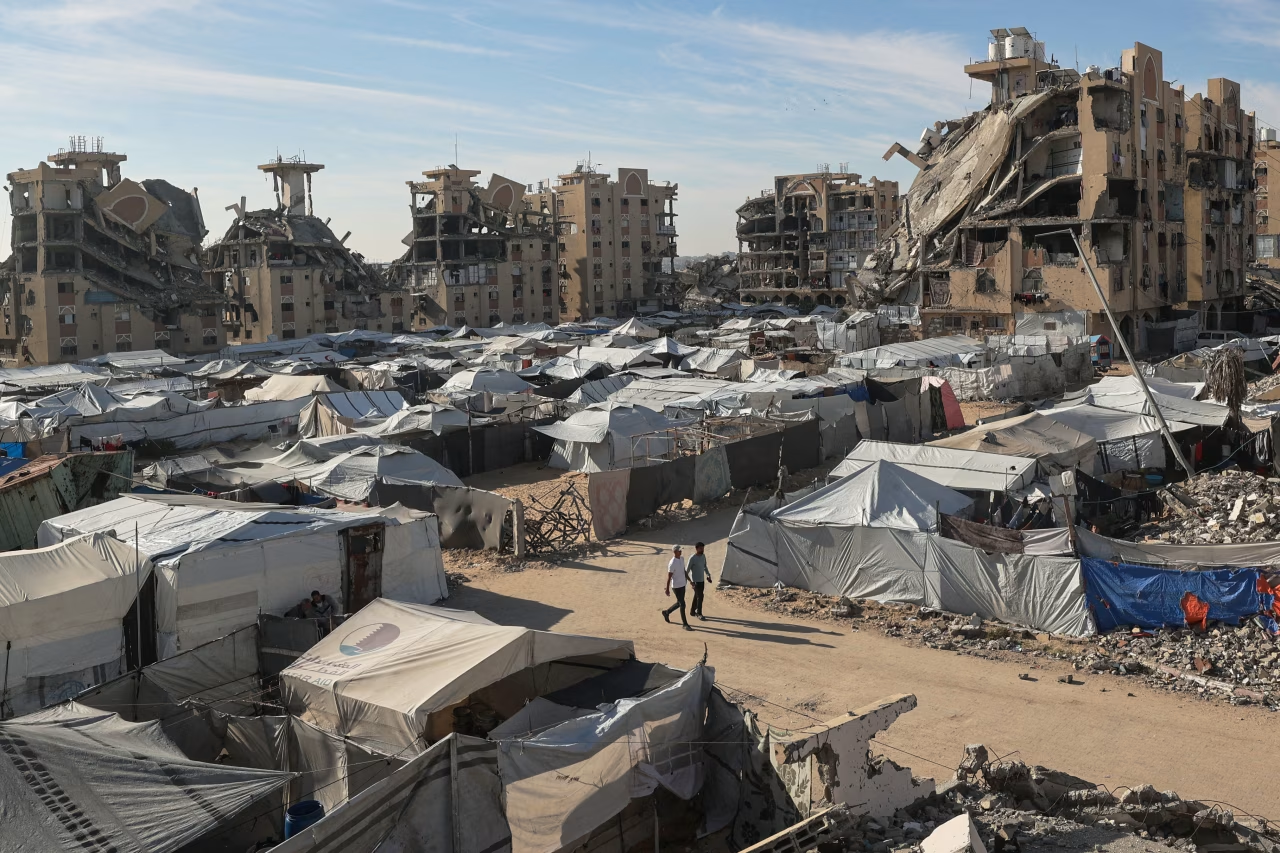
这一假设在周四于海牙被打破。现在,以色列发现自己面对的是一家准备考虑一系列证据的法院,以权衡其在加沙的整体行动——已使该领土大部分化为废墟——是否带有种族灭绝意图。
That assumption was shattered in The Hague on Thursday. Now Israel finds itself confronting a court prepared to consider a range of evidence as it weighs whether the totality of its campaign in Gaza, which has left much of the territory in ruins, was carried out with genocidal intent.
“以色列政府或处理该案的以色列专业人士将会更加担忟,因为我认为现在的情况不那么清楚了,法院究竟会将什么因素纳入其裁决考量,”耶路撒冷智库以色列民主研究所高级研究员尤瓦尔·沙尼说。
“The Israeli government or the Israeli professionals working on the case are going to be more worried, because I think the picture now is less clear as to what exactly the court would factor into its decision,” said Yuval Shany, a senior fellow at the Israel Democracy Institute, a think tank based in Jerusalem.