美国、俄罗斯等主要军事强国对具有约束力的限制措施表示强烈抵制。
Major military powers like the United States and Russia expressed strong resistance to binding restrictions.
为期一周的联合国监管致命自主武器会议周六在日内瓦闭幕,未达成禁止或限制使用该技术的协议,因为美国、俄罗斯等主要军事强国对具有约束力的限制措施表示强烈抵制。
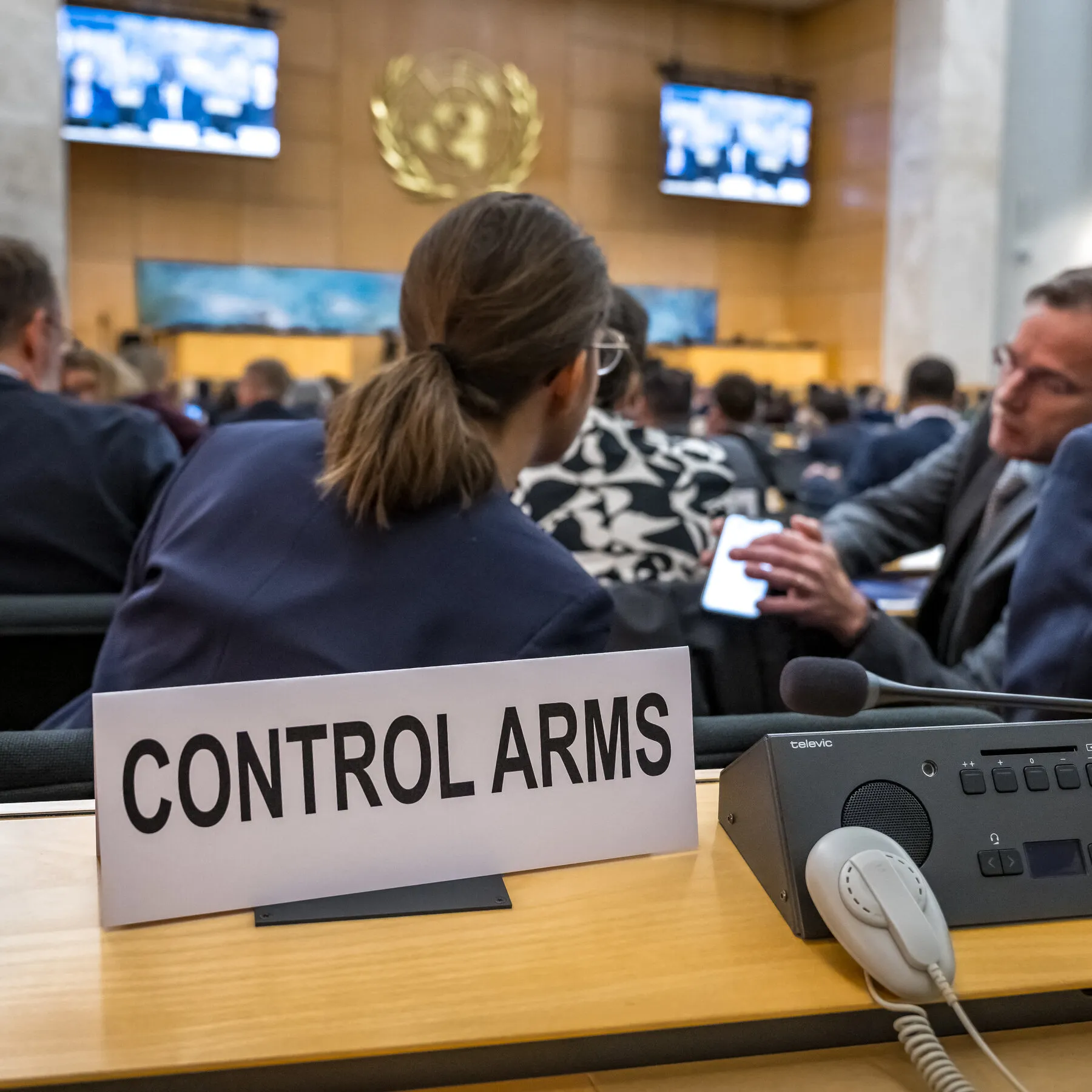
A weeklong U.N. conference on regulating lethal autonomous weapons ended on Saturday without an agreement to ban or limit use of the technology, after major military powers like the United States and Russia expressed strong resistance to binding restrictions.
不过,出席会议的128个国家代表承诺继续讨论,并在未来两年内制定监管此类武器使用的新规则。
Representatives of the 128 countries attending the conference in Geneva pledged to continue discussions, however, and to develop new rules regulating the use of such weapons over the next two years.
这一结果未达到大多数国家和裁军活动人士对本次会议的期望。他们表示,随着人工智能及其军事用途以惊人速度发展,对致命自主武器——即无需任何人类干预即可杀人的机器——实施具有法律约束力的限制的需求日益迫切。
That outcome fell short of what a majority of states and disarmament activists had hoped the conference would achieve. They said that the need for legally binding restrictions on lethal autonomous weapons — machines that can kill without any human intervention — has grown increasingly urgent as artificial intelligence and its military uses develop at breakneck speed.
但包括美国、俄罗斯和以色列在内的部分世界主要军事强国,对遏制其开发新武器能力的尝试表示反对。
But some of the world’s leading military powers, including the United States, Russia and Israel, balked at attempts to curb their ability to develop new weapons.
出席会议的主要世界大国中,只有中国表示愿意推动具有法律约束力的国际议定书。乌克兰已在与俄罗斯的战争中部署具备一定自主能力的无人机,强调需要对这类系统实施有意义的人类控制。
Of the major world powers in attendance at the conference, only China expressed a willingness to move toward a legally binding international protocol. Ukraine, which already deploys drones with some autonomous capabilities in its war with Russia, emphasized the need for meaningful human control over such systems.
主持会议的瑞士外交官朱利安·托尼表示,主要军事强国承诺在严重地缘政治紧张局势下继续讨论,表明“多边外交仍能取得成果”。但裁军活动人士称这太少、太迟。
Julien Thöni, a Swiss diplomat who presided over the conference, said the commitment from major military powers to continue discussions, even at a time of severe geopolitical tension, showed that “multilateral diplomacy can still deliver” results. But disarmament activists said it was too little too late.
“推迟建立具有法律约束力的文书,会让平民和人类面临风险,”反对致命自主武器的组织“停止杀人机器人”执行主任妮可·范·鲁伊延说。
“Delaying the creation of a legally binding instrument puts civilians and humanity at risk,” said Nicole van Rooijen, the executive director of Stop Killer Robots, a group that campaigns against lethal autonomous weapons.
本周一开始的会议,是联合国《特定常规武器公约》框架下关于致命自主武器系统讨论的最新一轮,此类讨论已持续13年。在这段时间里,能够在没有任何人类控制的情况下自主选择并攻击目标的技术,已从科幻概念变为现实,这在乌克兰和中东的战场上已有体现。
The conference, which began on Monday, was the latest in 13 years of discussions on lethal autonomous weapons held under the U.N. Convention on Certain Conventional Weapons. In that time, the idea of technology that can select and attack targets without any human control has moved from the realm of science fiction into reality, as seen on the battlefields of Ukraine and the Middle East.
面对此类武器的快速发展,163个国家于10月投票支持启动关于具有法律约束力的议定书的谈判。周六达成的协议“创造了一个讨论平台,为达成议定书留出了空间”,人权观察高级军备顾问、哈佛法学院国际法讲师邦妮·多尔蒂表示。“但无法确定它将具有法律约束力。”她补充道:“各国需要回应大多数国家对新条约的呼吁。”
Alarmed by the rapid development of such weapons, 163 countries voted in October in favor of negotiations on a legally binding protocol. The agreement reached on Saturday “creates a platform for discussion that leaves room for reaching a protocol,” said Bonnie Docherty, a senior arms adviser to Human Rights Watch and a lecturer on international law at Harvard Law School. “But there’s no certainty it will be legally binding.”“States need to deliver the majority’s call for a new treaty,” she added.