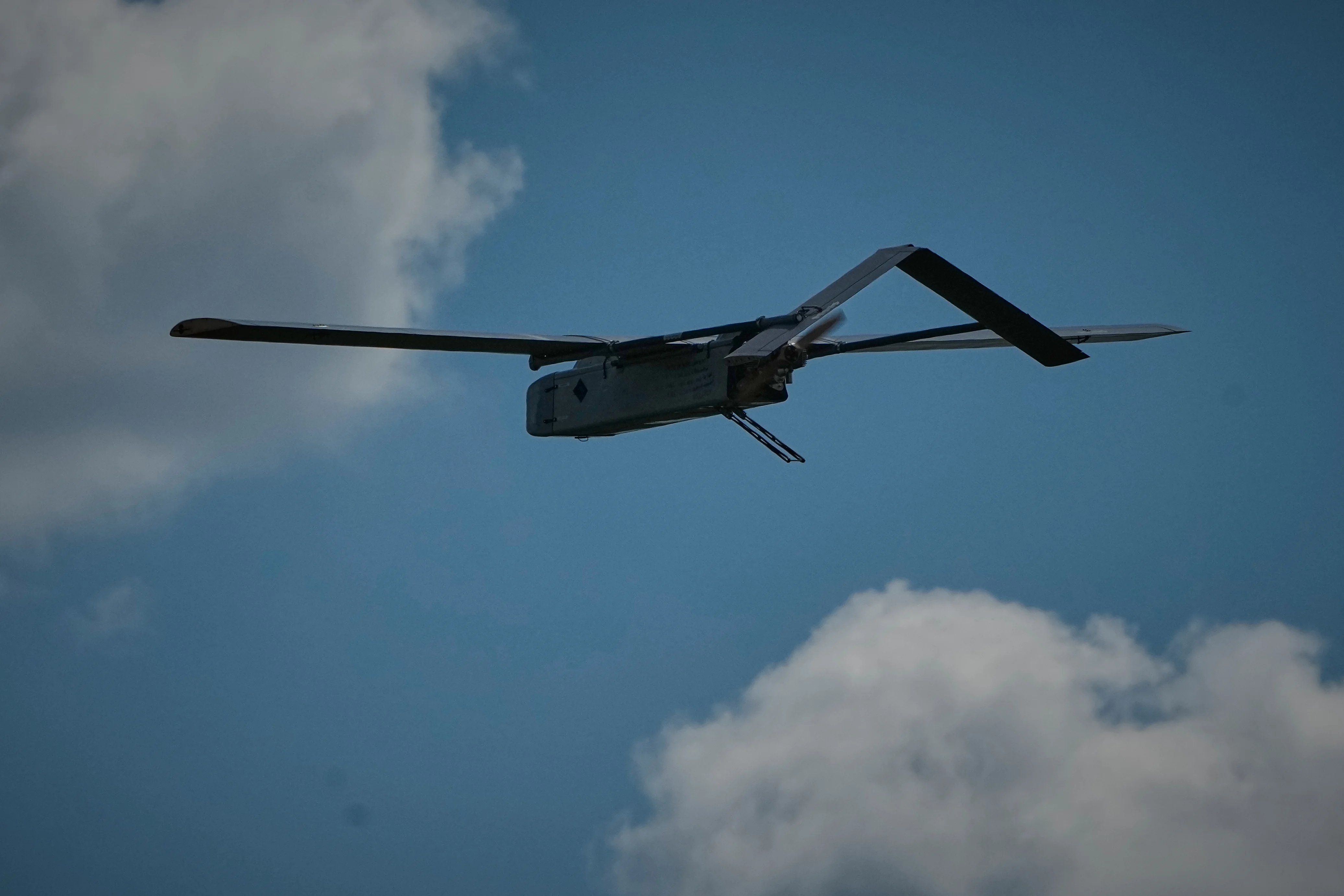
日内瓦 —— 在联合国日内瓦总部会晤的外交官们已同意开始讨论监管致命自主武器(通常被称为“杀人机器人”)的选项。
GENEVA — Diplomats meeting at the United Nations in Geneva have agreed to start discussing options to regulate lethal autonomous weapons, often called "killer robots."
经过一周拖延至周六凌晨的谈判,各方达成妥协:各国将有两年时间提出可能具有法律约束力的法规,但也可能是可选的。
After a week of negotiations that dragged on until the small hours of Saturday morning, a compromise emerged: countries would have two years to suggest regulations that could be legally binding, but could also be optional.
双眼布满血丝的谈判代表坚称,该协议总比没有强,并表明联合国裁军程序仍能运作。但对许多人道主义组织和许多国家而言,这项协议远未达到他们所期望的水平。
Bleary-eyed negotiators insisted the agreement was better than nothing and showed the U.N.'s disarmament process could still function. But for many humanitarian organizations and many countries, the deal falls far short of what they had hoped for.
谈判开始前,作为《日内瓦公约》守护者的国际红十字委员会表示,迫切需要在一年内起草具有法律约束力的规则。这一呼吁得到了联合国秘书长和教皇利奥的支持。
Before the negotiations got underway, the International Committee of the Red Cross, the guardian of the Geneva Conventions, said it was urgent for legally binding rules to be drafted within a year. That call was backed by the U.N. secretary-general and by Pope Leo .
他们的担忧源于我们现在所见到的战争类型。在乌克兰、苏丹和加沙,平民正被半自主无人机杀害。据联合国称,今年在苏丹,80%的平民死亡是由无人机造成的。
Their concerns stem from the kind of warfare we are now seeing. In Ukraine, Sudan and Gaza, civilians are being killed by semi-autonomous drones. This year in Sudan , 80% of civilian deaths were caused by drones according to the U.N.
非洲
联合国警告:被围困的苏丹城市面临持续无人机袭击和大规模暴行风险人类目前仍保留控制权,尽管极为遥远,但人道主义组织担心,我们正处于见证人工智能辅助武器完全自主做出杀戮决定的边缘。
Besieged Sudanese city faces relentless drone strikes and risk of mass atrocities, U.N. warns Humans remain, albeit very remotely, in control for now, but humanitarian organizations fear we are on the verge of seeing artificial intelligence-assisted weapons make the decision to kill entirely on their own.
算法做出生死抉择“让本质上关乎生死的决定由编程、由算法来决定,这存在根本性的伦理问题,”红十字国际委员会法律顾问乔治娅·欣兹说。“这不是靠更好的技术就能解决的。这是一条我们不能跨越的道德红线。”
Algorithms making life-and-death decisions "There is a fundamental ethical concern with having what are essentially these life-and-death decisions determined by programming, determined by an algorithm," said ICRC legal adviser Georgia Hinds. "That's not something that you can fix with better technology. That is a moral red line that we cannot cross."
没人指望谈判会轻松;世界上一些最强大的国家,其中包括美国、俄罗斯和以色列,早已表明不愿同意具有约束力的法规。
No one went into the negotiations thinking they would be easy; some of the world's most powerful countries, among them the U.S., Russia and Israel, had already indicated their reluctance to agree to binding regulations.
第一天,俄罗斯对会议议程提出异议,拖延了进程。随后美国提议用五年时间讨论针对自主武器系统的非约束性、可选指导原则。
On day one, Russia delayed proceedings by objecting to the meeting's agenda. Then the United States proposed a five-year window to discuss nonbinding, optional guidelines for autonomous weapons.
乌克兰被侵事件——解读
人工智能无人机如何影响乌克兰战争进程“他们只是在拖延时间,”一位沮丧的代表说。随着时间流逝、周末临近,外交官们争分夺秒,试图从被视为最后机会的谈判中争取某种结果,以规范那些我们甚至可能尚未完全理解其技术和决策能力的武器。
How AI drones are influencing the course of the Ukraine war "They're just kicking the can down the road," said one frustrated delegate. As the clock ticked on and the weekend approached, diplomats scrambled to get some kind of result from negotiations that had been billed as a last chance to regulate weapons whose technology and decision-making capabilities we may not even fully understand.
最终,在周六凌晨4点30分,他们走出谈判室宣布妥协方案:一年内达成协议的提议被否决,是否制定具有法律约束力的规则,也许会,也许不会。
Finally, at 4:30 a.m. on Saturday morning, they emerged from the negotiating room to announce their compromise: no to a deal within a year, maybe to legally binding rules, or maybe not.
“一场空谈”红十字国际委员会立即表示遗憾,并重申呼吁达成具有约束力的条约。其他倡导者的话则不那么客气,称该协议“真令人失望”,是“一场空谈”。“我担心会因此导致人员死亡,”另一位补充道。
A "nothing burger" The ICRC immediately said it regretted the move and renewed its appeal for a binding treaty. Other campaigners were less polite, calling the deal "a real disappointment" and a "nothing burger." "I am concerned people will die because of this," added another.
一个关键担忧是,用两年时间讨论可能仅具备可选性质的规则,技术将不受控制地飞速发展。
A key worry is that, with two years to talk about possible rules that might only be optional, the technology will race ahead, uncontrolled.
“我们很可能会看到这些系统扩散,”未来生命研究所军事人工智能治理专家安娜·海尔说。“它们不像核武器那样难以获取。各类行为体——个人、非国家行为体、犯罪集团——都能轻易购买甚至制造自主武器。”
"We're likely to see the systems proliferate," said Anna Hehir, an expert in military AI governance at the Future of Life Institute. "They're not like nuclear weapons in that they're inaccessible. There are autonomous weapons that are easy to purchase or even to create for all kinds of actors: individuals, nonstate actors, criminal groups."
关于现有战争规则——即《日内瓦公约》——能否得到维护,也存在重大疑问,因为实施杀戮的不再是人类,而是机器。
There are also big questions about how our existing rules of war – the Geneva Conventions – can be upheld if those doing the killing are not humans, but machines.
“这些规则是军队和国家制定并同意遵守的最低底线,”红十字国际委员会的欣兹说。“指挥官依然有责任确保武力使用合法。指挥官依然须负责。你不能让机器为违法行为负责。”
"These rules are the bare minimum that militaries and states have developed and agreed to adhere to," said the ICRC's Hinds. "The commander remains responsible for making sure that the use of force is lawful. The commander remains accountable. You cannot hold a machine accountable for a violation of the law." ### Technology
无人机如何在全球重塑现代战争但在研发新武器的竞赛中,没有国家想屈居第二。尽管大多数联合国成员国确实同意应对自主武器实施一定管控,但日内瓦会议达成的妥协意味着,至少在未来两年内,能够利用人工智能做出生死抉择的武器将继续处于无监管状态。与此同时,武器技术飞速发展,外交努力却难以跟上步伐。
But in the race to develop new weapons, no country wants to come second. Although most U.N. member states do agree there should be some controls over autonomous weapons, the compromise in Geneva means that, for the next two years at least, weapons that can use artificial intelligence to make life-and-death decisions will remain unregulated. Meanwhile, weapons technology is developing at pace, while diplomacy is struggling to keep up.