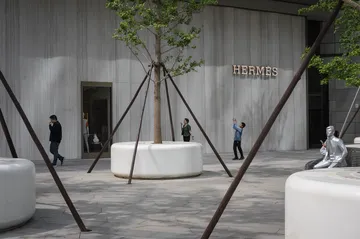
包括爱马仕和卡地亚在内的奢侈品巨头在中国正遭受更严重的下滑,这表明中国富裕消费者的消费回落正在波及最具韧性的品牌。
Luxury powerhouses including Hermès and Cartier are suffering steeper slumps in China, in a sign that a spending pullback by the country’s wealthy consumers is hitting even the most resilient brands.
根据彭博社调查的两家追踪行业数据的研究机构称,8月和9月,这两个品牌在中国大陆的销售额与去年同期相比降幅高达两位数。这些机构的数据显示,这一跌幅意义重大,因为随着6月份奢侈品消费整体放缓的到来,爱马仕国际公司和历峰集团旗下的卡地亚在该国受到的影响相对较小。
Sales at both brands in mainland China fell as much as double-digits in August and September compared to the year-ago period, according to two research firms surveyed by Bloomberg that track industry data. The drop is significant as Hermès International SCA and Cie Financiere Richemont SA’s Cartier had been relatively unaffected in the country as a broader slowdown in luxury consumption took hold in June, the firms’ data show.
这些机构表示,包括路易威登和古驰在内的25个最大奢侈品牌的中国大陆销售额也进一步收缩,在8月和9月暴跌了两位数。
Mainland sales for the 25 largest luxury labels including Louis Vuitton and Gucci have also contracted further, plunging by double-digits in August and September, according to the firms.
知情人士透露,在被称为“黄金周”的10月初为期七天的中国国庆假期期间,业务依然疲软,尽管消费者在旅游上的花费更多。因未获授权公开谈论此事,知情人士要求匿名。这些人说,一些大型奢侈品公司的管理人员现在担心,低迷态势可能会蔓延得更广,并持续到2027年。
Business remained weak during China’s National Day holiday, a seven-day break in early October dubbed the golden week, even as consumers spent more on travel, according to people familiar with the matter who asked not to be identified because they are not authorized to speak publicly. Some executives at major luxury houses now fear the slump could become more widespread and persist until 2027, the people said.
由于北京方面对离岸财富的审查日益严格以及人工智能股票涨势的降温震撼了私人财富,各方担忧情绪正在加剧,这正在考验长期以来认为奢侈品行业最富有的客户基本可以免疫经济衰退的信念。随着中产阶级在长期的房地产市场低迷和更广泛的经济放缓期间退缩,全球品牌长期以来一直将宝押在这些顶级消费者身上。现在,他们正面临着核心客户和渴望购买奢侈品的消费者同时减少支出的可能性。
Concerns are mounting as Beijing’s widening scrutiny of offshore wealth and a cooling AI stock rally rattle private fortunes, testing the long-held belief that the luxury industry’s wealthiest clients are largely recession-proof. Global brands had long banked on these top-tier spenders as China’s middle-class retreated during a prolonged property-market slump and wider economic slowdown. Now, they are facing the possibility of both their key customers and aspirational shoppers spending less at the same time.
阅读:受中国市场低迷拖累且转型步履蹒跚,古驰销售额令人失望汇丰控股有限公司分析师安娜-劳尔·比斯穆特本月在一份报告中写道:“我们在过去三年中对亚洲消费者和奢侈品进行的年度考察得出的反复信息是,情况很艰难,但‘明年会更好’。然而这一次,我们在香港、厦门和上海的会议没有提供中国奢侈品消费复苏的时间表或证据。”爱马仕和卡地亚未回应置评请求。
Read: Gucci Sales Disappoint on China Slump as Turnaround Falters“The recurring message from our annual Asia consumer and luxury trip over the past three years was that conditions were difficult, but that ‘next year would be better,’” HSBC Holdings Plc analyst Anne-Laure Bismuth wrote in a note this month. “This time, however, meetings in Hong Kong, Xiamen and Shanghai provided no timeline or evidence of a recovery in Chinese luxury consumption.”Hermès and Cartier didn’t respond to requests for comment.
研究公司JL Warren表示,可以肯定的是,来自大中华区其他地区(包括香港和澳门)的强劲需求帮助抵消了大陆对卡地亚等高端珠宝品牌的部分跌幅。尽管如此,奢侈品集团最大市场之一的疲软还是拖累了它们的盈利。
To be sure, resilient demand from other parts of Greater China, including Hong Kong and Macau, has helped offset some of the declines in the mainland for high-end jewelry brands like Cartier, said research firm JL Warren. Still, the weakness in one of the luxury group’s largest markets has weighed on their earnings.
爱马仕周四公布第三季度亚太区销售额持平。该地区(不包括日本)的营收未达到分析师对1.55%增长的预期。
Hermès on Thursday reported flat sales in Asia-Pacific for the third quarter. Revenue in the region excluding Japan fell short of analyst expectations for 1.55% growth.
该地区(包括中国,占爱马仕总营收的约42%)的表现表明,这家铂金包制造商并非不会受到影响中国消费者的开支限制的免疫。
The performance in the region — which includes China and accounts for about 42% of Hermès’ total revenue — is a sign that the Birkin bag maker isn’t immune to the spending curbs affecting Chinese shoppers.
爱马仕首席财务官埃里克·杜·阿尔古埃特在财报发布后的吹风会上表示,中国的宏观经济环境依然充满挑战,加之金融市场低迷和持续的税收相关运动,使情况更加复杂。
China’s macroeconomic environment remains challenging, compounded by sluggish financial markets and ongoing tax-related campaigns, Hermès Chief Financial Officer Eric Du Halgouet said during a post-earnings briefing.
路威酩轩第三季度财报显示,在其最大品牌路易威登涉及的一场商标争议中,中国国内销售额出现两位数下降。中国消费者海外购物额也下降了中个位数百分比。这种疲软导致不包括日本在内的亚洲地区营收下滑5%,该集团是唯一一个录得负增长的地区。
LVMH Moët Hennessy Louis Vuitton SE’s third-quarter results showed a double-digit drop in domestic China sales amid a trademark controversy involving its largest brand Louis Vuitton. Purchases by Chinese shoppers overseas also fell by a mid-single-digit percentage. The weakness contributed to a 5% revenue slump in Asia excluding Japan, the group’s only region to post a negative performance.
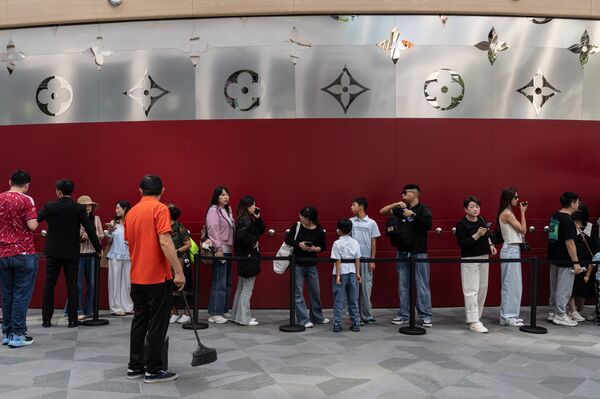
受中国消费疲软拖累,古驰第三季度销售额下降6%,逊于分析师预期。这导致母公司开云集团季度业绩下滑。
Gucci sales fell 6% in the third quarter, worse than analysts’ expectations, hurt by weak consumption in China. That’s contributed to parent Kering SA’s quarterly decline.
在更广泛的经济低迷背景下,中国消费者在可选择性支出方面变得更加挑剔,优先考虑旅游、餐饮和其他体验,而不是高调的奢侈品购买。即使在那些仍然愿意消费的人当中,品味也发生了变化。许多年轻消费者正在远离显眼的标志和地位驱动的购买,转而青睐强调工艺和品质的低调产品,这推动了所谓“低调奢华”的兴起。8月份零售额增长进一步放缓至0.4%,随后在9月份有所改善。包括珠宝和汽车在内的大宗商品表现最差,这两个月的营业收入暴跌高达21%。
Amid the broader economic downturn, Chinese consumers have become more selective about discretionary spending, prioritizing travel, dining and other experiences over highly visible luxury purchases. Even among those still willing to spend, tastes have shifted. Many younger shoppers are gravitating away from prominent logos and status-driven purchases in favor of understated products that emphasize craftsmanship and quality, fueling the rise of so-called “quiet luxury.”Retail sales growth in August slowed further to 0.4% before improving in September. Big-ticket items including jewelry and cars performed the worst, plunging as much as 21% in business receipts in the two months.
总部位于上海的咨询公司远瞻合伙人咨询公司联合创始人雅克·罗伊赞表示,在经历2026年的急剧下滑之后,明年的基数比较可能会变得不那么艰难,这可能有助于各大奢侈集团恢复名义增长。但他表示,头条数字的任何改善都不太可能预示着需求的实质性复苏。
Comparisons are likely to become less challenging next year after a steep downturn in 2026, potentially helping major luxury groups return to reported growth, said Jacques Roizen, co-founder of Shanghai-based consultancy Foresight Performance Partners. But any improvement in headline numbers is unlikely to signal a meaningful recovery in demand, he said.
罗伊赞说:“这些对比的背后是一个结构性问题。许多渴望购买奢侈品的中产阶级已经不再购买奢侈品,而更富裕的消费者则变得更加谨慎。潜在的压力不太可能迅速改变。”}
“Beneath those comparisons is a structural problem,” said Roizen. “Much of the aspirational middle-class have moved away from luxury, while wealthier consumers have become more cautious. The underlying pressures are unlikely to change quickly.”