美国愤怒了。民主党人对特朗普愤怒。共和党人对民主党人愤怒。独立人士几乎对所有人都愤怒。终于,有了一件我们能达成共识的事。
America is furious. Democrats are furious at Trump. Republicans are furious at Democrats. Independents are furious at just about everyone. At last, something we can agree on.
距离中期选举不到一周,美国人正被告知一切都岌岌可危。民主。经济。我们的自由。国家本身的未来。
With just under a week until the midterms, Americans are being told that everything is at stake. Democracy. The economy. Our freedoms. The future of the country itself.
然而,根据美联社-NORC的民调,只有大约两成选民认为两个政党中的任何一个都强烈专注于帮助像他们这样的人,或者有能力解决重要问题。
And yet, according to AP-NORC polling, only about two in 10 voters believe either political party is strongly focused on helping people like them or capable of solving important problems.
我们从未被告知一场选举如此重要。我们也很少对我们所选出的人抱有更低的期望。所以,作为一名民调专家,我一直在思考这样一个问题。
We've never been told an election matters more. We've rarely expected less from the people we're electing. So here's the question I've been thinking about as a pollster.
李·卡特:夏季民调错过了重点:选民正在流动——中期选举开始了。当所有人都愤怒,但并非所有人都愤怒到愿意投票时,会发生什么?因为这正是这场选举如此难以预测的原因。
LEE CARTER: THE SUMMER POLLS MISSED THE POINT: VOTERS ARE MOVING — AND THE MIDTERMS BEGIN What happens when everyone is angry, but not everyone is angry enough to vote? Because that's what makes this election so difficult to predict.
我们花费大量时间询问美国人支持谁。但在中期选举中,更重要的问题或许是,他们是否在乎到愿意现身投票。而最新民调显示,这是两件截然不同的事。
We spend an enormous amount of time asking Americans whom they support. But in a midterm election, the more important question may be whether they care enough to show up. And the latest polling suggests those are two very different things.
特朗普选民揭示他们在中期选举前最大的恐惧——而且不是物价上涨。CNBC的一项调查发现,74%的民主党人担心,如果共和党人继续控制国会,总统唐纳德·特朗普将超越其宪法权限。与此同时,54%的共和党人担心民主党人将推行民主社会主义政策。
TRUMP VOTERS REVEAL THEIR BIGGEST FEAR HEADING INTO MIDTERMS — AND IT'S NOT RISING PRICES A CNBC survey found that 74% of Democrats worry President Donald Trump will exceed his constitutional authority if Republicans retain control of Congress. Meanwhile, 54% of Republicans fear Democrats will enact democratic socialist policies.
这些担忧并不对等,激烈程度也不相同。但它们告诉了我们一些关于选民的重要信息。
Those aren't equivalent concerns, or equally intense ones. But they tell us something important about the electorate.
民主党人害怕一位权力过大的总统。共和党人害怕一个触角过长的政府。双方都有充足的理由愤怒。但愤怒不会投票。人才会。而事情的有趣之处就在这里。
Democrats fear a president with too much power. Republicans fear a government with too much reach. Both sides have plenty to be angry about. But anger doesn't vote. People do. And here's where things get interesting.
一项考察2018年中期选举的研究发现,担忧有助于预测谁真正投了票。热情则没有显示出同样的关系。
Research examining the 2018 midterms found that worry helped predict who actually voted. Enthusiasm did not show the same relationship.
还记得2018年吗?近半数有资格的美国人参加了投票,创下了一个多世纪以来中期选举投票率的新高。
Remember 2018? Nearly half of eligible Americans voted, the highest midterm turnout in more than a century.
显然,美国人未必需要热爱自己的候选人才能去投票。有时候,对另一种结果的担忧就足以成为动力。这就引出了2026年。
Apparently, Americans don't necessarily need to love their candidates to get themselves to the polls. Sometimes worrying about the alternative is motivation enough. Which brings us to 2026.
皮尤研究中心发现,民主党拥有相当大的动员优势。在表示自己“极其有动力”投票的选民中,民主党领先共和党24个百分点。
Pew Research finds Democrats have a substantial motivation advantage. Among voters who say they're extremely motivated, Democrats lead Republicans by 24 points.
如果只有这些人投票,民主党大可以开始筹划一个非常愉快的选举之夜了。但再看看另一个群体。
If those were the only people voting, Democrats could start planning a very enjoyable election night. But look at a different group.
在2022年和2024年都实际投过票的人当中,民主党的优势只有6个百分点。这是巨大的差距。那些声称最有投票动力的人,未必就是投票记录最稳定的人。在任何人开始宣布压倒性胜利之前,这个区别值得记住。
Among people who actually voted in both 2022 and 2024, the Democratic advantage is just six points. That's an enormous difference. The people who say they're most motivated to vote aren't necessarily the same people with the strongest history of showing up. And that's a distinction worth remembering before anyone starts declaring a landslide.
福克斯新闻最新民调显示,在国会通用选票上,民主党以54%对45%领先。但在确定会参与投票的选民中,这一领先优势缩小到6个百分点。
The latest Fox News poll gives Democrats a 54% to 45% advantage on the generic congressional ballot. But among voters certain to participate, that lead narrows to six points.
哥伦比亚广播公司新闻预测民主党将赢得229个众议院席位,足以夺回多数党地位。但哥伦比亚广播公司还发现了另一个复杂因素。
CBS News projects Democrats will win 229 House seats, enough to reclaim the majority. But CBS has identified another complication.
民主党方面,表示“一定会投票”或“已经投票”的选民更多。共和党方面,表示“可能会投票”的选民更多。
Democrats have more voters who say they're definitely voting or have already voted. Republicans have more voters who say they might vote.
换句话说,民主党拥有更多声称会来的选民。共和党拥有更多尚未决定是否要费这个劲的选民。而这可能是未来一周最重要的政治问题。
In other words, Democrats have more of the voters who say they're coming. Republicans have more of the voters who haven't decided whether to bother. And that may be the most important political question of the next week.
那些共和党人会现身吗?他们会待在家里吗?最后几天会不会发生什么事,让他们相信这次选举很重要?没有人确切知道。在一个势均力敌的众议院,答案可能决定谁控制国会。这就是为什么民调既极其有用,又令人无比沮丧。我们可以相当精确地衡量美国人的想法。预测他们实际会做什么则更难。
Will those Republicans show up? Will they stay home? Will something happen in the final days that convinces them this election matters? Nobody knows for certain. And in a closely divided House, the answer could determine who controls Congress. This is why polling is both enormously useful and endlessly frustrating. We can measure what Americans think with considerable precision. Predicting what they'll actually do is harder.
事实上,皮尤对2022年中期选举的分析中最具启发性的发现之一是,共和党的收益在很大程度上是由投票率的差异驱动的,而不是选民改变主意的巨大浪潮。
In fact, one of the most revealing findings from Pew's analysis of the 2022 midterms is that Republican gains were driven largely by differences in turnout, not a great wave of voters changing their minds.
在2020年和2022年都投票的美国人中,很少有人更换党派。改变的是谁出现了。
Among Americans who voted in both 2020 and 2022, very few switched parties. What changed was who showed up.
特朗普2020年选民中有71%参加了2022年中期选举,而拜登2020年选民中有67%参加了。四个百分点。这可不是戏剧性竞选广告的素材。但对于数百万选民来说,几个百分点的差异就能改变选举结果。
Seventy-one percent of Trump's 2020 voters participated in the 2022 midterms, compared with 67% of Biden's 2020 voters. Four points. Not exactly the stuff of dramatic campaign commercials. But across millions of voters, a few points can change the outcome of an election.
有时选举的决定因素不是美国人改变了主意。而是不同的美国人出现了。突然间,这次竞选中的一些事情开始变得更有意义。以特朗普的巡回演讲为例。
Sometimes elections aren't decided because Americans change their minds. They're decided because different Americans show up. And suddenly, a few things about this campaign begin to make more sense. Take Trump's whistle-stop tour.
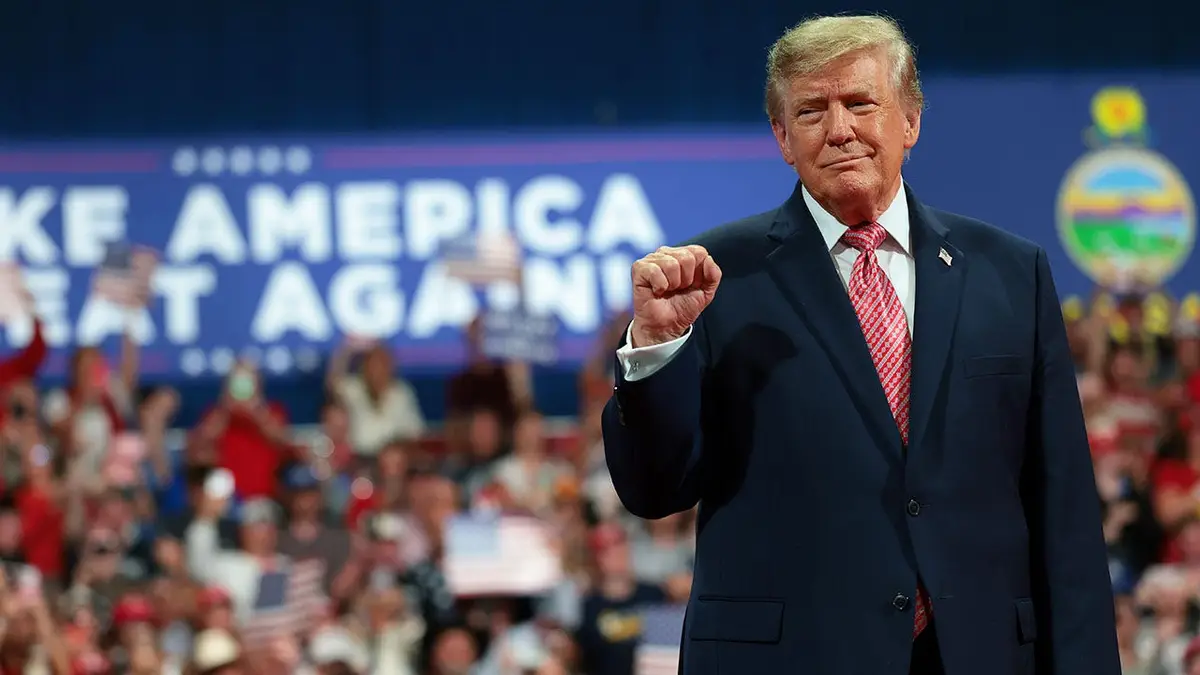
为什么一位在任总统在民意支持率如此之低的情况下,还要在中期选举的最后几天从一个集会赶往另一个集会?
Why is a sitting president spending the final days of a midterm campaign racing from rally to rally when his approval ratings are so low?
因为共和党可能不需要他改变多少人的想法。他们需要他让合适的人走出来投票。
Because Republicans may not need him to change many minds. They need him to get the right people out of the house.
特朗普表现出了一种不同寻常的能力,能够吸引那些不总是参与选举的选民。共和党面临的挑战是,在特朗普本人不在选票上时,如何让这些选民出来投票。
Trump has demonstrated an unusual ability to attract voters who don't always participate in elections. The challenge for Republicans is getting those voters to show up when Trump himself isn't on the ballot.
一次集会可能不会改变一个人对总统的看法。但它可能会改变这个人是否投票。在一场势均力敌的选举中,这比另一篇有利的头条新闻更有价值。然后考虑一件令人惊讶地很少受到关注的事情:选民登记。
A rally may not change someone's opinion of the president. But it might change whether that person votes. And in a close election, that's worth considerably more than another favorable headline. Then consider something that has received surprisingly little attention: voter registration.
自2018年以来,在北卡罗来纳州,党派登记的平衡已向共和党转移了约8个百分点,在宾夕法尼亚州为7个百分点,在内华达州为5个百分点,在亚利桑那州为4个百分点。
Since 2018, the party-registration balance has shifted toward Republicans by roughly eight points in North Carolina, seven in Pennsylvania, five in Nevada and four in Arizona.
这些并不是选举结果。登记为共和党人并不意味着某人一定会投给共和党,也当然不能保证他们会去投票。但这些变化表明,潜在选民群体已经发生了改变。而在投票率成为最大未知数的情况下,这一点至关重要。
Those aren't election results. Registering Republican doesn't mean someone will vote Republican, and it certainly doesn't guarantee they'll vote at all. But the shifts suggest the pool of potential voters has changed. And that matters enormously when turnout is the great unknown.
在表示自己投票意愿强烈的选民中,民主党人可能占有优势。而共和党人可能拥有比以往对选民结构的假设所显示的更大的潜在选民储备。问题在于,这些选民是否会真的出来投票。
Democrats may have an advantage among voters who say they're highly motivated. Republicans may have a larger reservoir of potential voters than older assumptions about the electorate would suggest. The question is whether those voters show up.
登记告诉我们谁在名册上。民调告诉我们谁领先。投票率告诉我们谁真正上场。
Registration tells us who's on the roster. Polling tells us who's ahead. Turnout tells us who actually plays.
这就是为什么登记人数几个百分点的变动、一场总统集会以及热情差距,都是同一个故事的不同部分。这也是为什么结果仍然如此难以预测。现在来看看这个国家的情绪。
That's why a few points of registration movement, a presidential rally and the enthusiasm gap are all pieces of the same story. And it's why the outcome remains so difficult to predict. Now consider the mood of the country.
福克斯新闻最新民调发现,74%的人对经济持。66%的人对国家的发展方向感到不满。只有18%的人表示,自己家庭的经济状况比两年前更好。美国人很不满。这一点很清楚。但不满并不会自动告诉我们他们会怎么做。
The latest Fox News poll finds that 74% rate the economy negatively. Sixty-six percent are dissatisfied with the direction of the country. Just 18% say their families are better off than two years ago. Americans are unhappy. That's clear. But unhappiness doesn't automatically tell us what they'll do.
一些愤怒的选民会变成活动人士。一些会成为稳定的投票者。还有一些人认定整个体制毫无希望,于是不再关注。同样的情绪可以产生截然不同的行为。还有另一个复杂因素。美国人并不特别相信投票能解决他们的问题。
Some angry voters become activists. Some become reliable voters. Some decide the whole system is hopeless and stop paying attention. The same emotion can produce very different behavior. And there's another complication. Americans aren't particularly convinced that voting will solve their problems.
美联社-NORC公共事务研究中心10月的一项调查发现,大约八成登记选民希望国会优先降低生活成本。
An October AP-NORC survey found roughly eight in 10 registered voters want Congress to prioritize lowering the cost of living.
然而哥伦比亚广播公司的调查发现,大多数选民预计,无论哪个政党获胜,自己的财务状况都不会改善。
Yet CBS finds that most voters don't expect their financial circumstances to improve regardless of which party wins.
美国人非常清楚他们想要解决什么问题。他们只是不太相信两党中的任何一方会去解决。这就形成了两股相互竞争的力量。对另一方获胜后会发生什么的恐惧,可能会驱使人们前往投票站。但对两党的失望可能让一些选民相信,结果不会有太大差别。哪股力量会赢?这就是问题所在。两党正花费巨额资金试图影响这个问题的答案。
Americans know exactly what they want fixed. They just don't have much confidence that either party will fix it. That creates two competing forces. Fear of what happens if the other side wins may drive people to the polls. But frustration with both parties may convince some voters that the outcome won't make much difference. Which force wins? That's the question. And the parties are spending an extraordinary amount of money trying to influence the answer.
自9月1日以来,民主党已在提及特朗普的广告上花费了超过1.63亿美元。共和党在同样的事情上花费了约1100万美元。民主党谈论特朗普的花费几乎是共和党的15倍。
Since Sept. 1, Democrats have spent more than $163 million on s mentioning Trump. Republicans have spent approximately $11 million doing the same. Democrats are spending nearly 15 times as much talking about Trump as Republicans are.
显然,民主党已经认定他们最有效的竞选代言人是唐纳德·特朗普。共和党人似乎远没有那么热衷于把他放进自己的广告里。但所有这些广告最终都指向同一个目标。让人们足够在乎,从而去投票。
Apparently, Democrats have decided their most effective campaign spokesman is Donald Trump. Republicans seem considerably less enthusiastic about putting him in their s. But all that advertising is ultimately aimed at the same objective. Get people to care enough to vote.
提前投票的人数已经超过了2022年同期水平。截至10月22日,全国已投出超过1300万张提前投票和邮寄选票,而四年前同期约为900万张。这听起来像是巨大热情的迹象。也许确实是。又或者,那些本来会在选举日投票的人只是提前投票了。
Early voting is already running ahead of the comparable point in 2022. More than 13 million early and mail ballots had been cast nationally by Oct. 22, compared with roughly 9 million at a similar point four years ago. That sounds like a sign of enormous enthusiasm. Maybe it is. Or maybe people who would have voted on Election Day are simply voting earlier.
提前投票告诉我们选票正在被投出。它不一定告诉我们还会有多少人额外投票。它也当然不会告诉我们哪个党派会受益。愤怒也是如此。一个国家可以群情激愤,却仍然产生一场出人意料地接近的选举。
Early voting tells us that ballots are being cast. It doesn't necessarily tell us how many additional people will vote. And it certainly doesn't tell us which party will benefit. The same is true of outrage. A country can be furious and still produce a surprisingly close election.
一个党派可以在最有投票动力的选民中占据主导,但如果另一方那些热情较低的 supporters 决定参与投票,该党派仍会举步维艰。
A party can dominate among the most motivated voters and still struggle if the other side's less enthusiastic supporters decide to participate.
而一个候选人可以在没有说服多少原本不倾向于投票给他的人的情况下获胜。这正是这场选举如此难以预测的原因。最重要的选民可能不是那些改变了对民主党或共和党看法的人。他们可能是那些改变了对是否值得投票这一问题的看法的人。
And a candidate can win without persuading many people who weren't already inclined to vote for that candidate. That's what makes this election so difficult to predict. The most important voters may not be the ones changing their minds about Democrats or Republicans. They may be the ones changing their minds about whether to bother voting at all.
当然,目前的民调有利于民主党。福克斯新闻的民调显示民主党拥有显著优势。哥伦比亚广播公司预测民主党将夺回众议院。这些都是重要的发现,不应被忽视。
Of course, the polls currently favor Democrats. The Fox News survey gives them a meaningful advantage. CBS projects they will reclaim the House. Those are important findings, and they shouldn't be dismissed.
但民调只是选民群体的一张快照。选举则是一场事件,其中一些人参与投票,另一些人则不参与。这一差别可能是决定性的。
But a poll is a picture of an electorate. An election is an event in which some of those people participate and others don't. The difference can be decisive.
因此,在进入最后一周之际,我会少关注那些声音最大的人,多关注那些我们听不到声音的人。
So as we head into the final week, I'd pay less attention to the loudest voices and more attention to the people we aren't hearing from.
偶尔投票的选民。心怀不满的独立人士。不喜欢国家当前方向、但不确定民主党是否会更好的共和党人。害怕特朗普、但不相信国会能带来多大改变的民主党人。这些人可能决定这场选举。不一定是因为他们改变了对政治的看法。而是因为他们可能改变了对是否参与投票的想法。
The occasional voter. The dissatisfied independent. The Republican who dislikes the direction of the country but isn't sure the Democrats would be better. The Democrat who fears Trump but isn't convinced Congress can change much. These are the people who could decide the election. Not necessarily because they've changed their minds about politics. But because they may change their minds about participating.
改变党派立场的摇摆选民吸引了所有关注。但在投票与待在家中之间摇摆的选民,可能决定这场选举。
The swing voter who changes parties gets all the attention. But the voter who swings between voting and staying home may decide this election.
这就是特朗普在路上奔波的原因。民主党人花费数百万美元谈论他,而两党都在争夺那些已经认同自己的人。问题不仅仅是美国人更倾向于哪个政党。而是哪个政党能让自己这边的美国人去投票。
And that's why Trump is on the road. Democrats are spending millions talking about him, and both parties are fighting over people who already agree with them. The question isn't just which party Americans prefer. It's which party can get its Americans to vote.