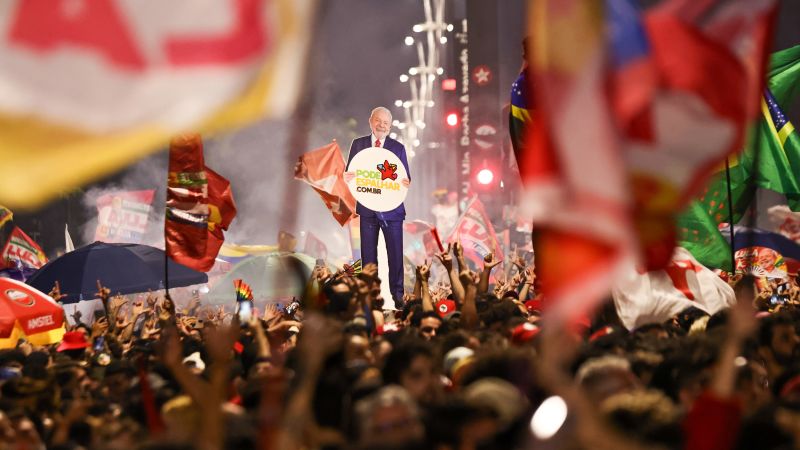
10月间的三周里,维里迪亚娜·库尼亚成了一支“数字军队”的所谓“战士”,为巴西左翼总统路易斯·伊纳西奥·卢拉·达席尔瓦的连选连任而战。
For three weeks in October, Veridiana Cunha became a so-called “soldier” for a digital army fighting to reelect Brazil’s leftist President Luiz Inácio Lula da Silva.
这位48岁的圣保罗文案编辑每隔几分钟就会中断本职工作,查看WhatsApp上的新指令。她甚至重新启用了一个自2022年以来未曾使用的Instagram账号,并首次学会了在X上发帖,只为这一事业。
Every few minutes, the 48-year-old would interrupt her day job in São Paulo as a copy editor and check WhatsApp for new instructions. She even reactivated an Instagram account she hadn’t used since 2022 and learned how to post on X for the first time for the cause.
“改完一段文案,就去军队;再改一段文案,又去军队,”她向CNN讲述了由国会议员安德烈·贾诺内斯领导的一个WhatsApp频道的情况,该频道在巴西总统大选最后几周变成了虚拟竞选总部。
“I’d edit a text, then go to the army. Edit another text, then go to the army,” she told CNN of a WhatsApp channel, led by Congressman André Janones, that became a virtual campaign headquarters during the final weeks of Brazil’s presidential campaign.
库尼亚是加入名为“卢拉军团”频道的数百万巴西人之一。他们的使命:扭转卢拉在10月4日首轮投票中败给右翼参议员弗拉维奥·博尔索纳罗的局面,后者是前总统雅伊尔·博尔索纳罗的长子。
Cunha was one of millions of Brazilians who joined the channel called “Lula’s Army.”Their mission: to reverse Lula’s first-round defeat on October 4 to the right-wing senator Flávio Bolsonaro, scion of former President Jair Bolsonaro.
他们成功了。卢拉于10月25日赢得大选,分析人士部分归功于最后关头的策略——利用一套长期与巴西右翼联系在一起的数字战术手册,通过WhatsApp放大政治信息、动员选民。
And they succeeded. Lula won the election on October 25, which analysts partly attribute to the eleventh-hour strategy of harnessing a digital playbook long associated with Brazil’s right of using WhatsApp to amplify political messaging and mobilize voters.
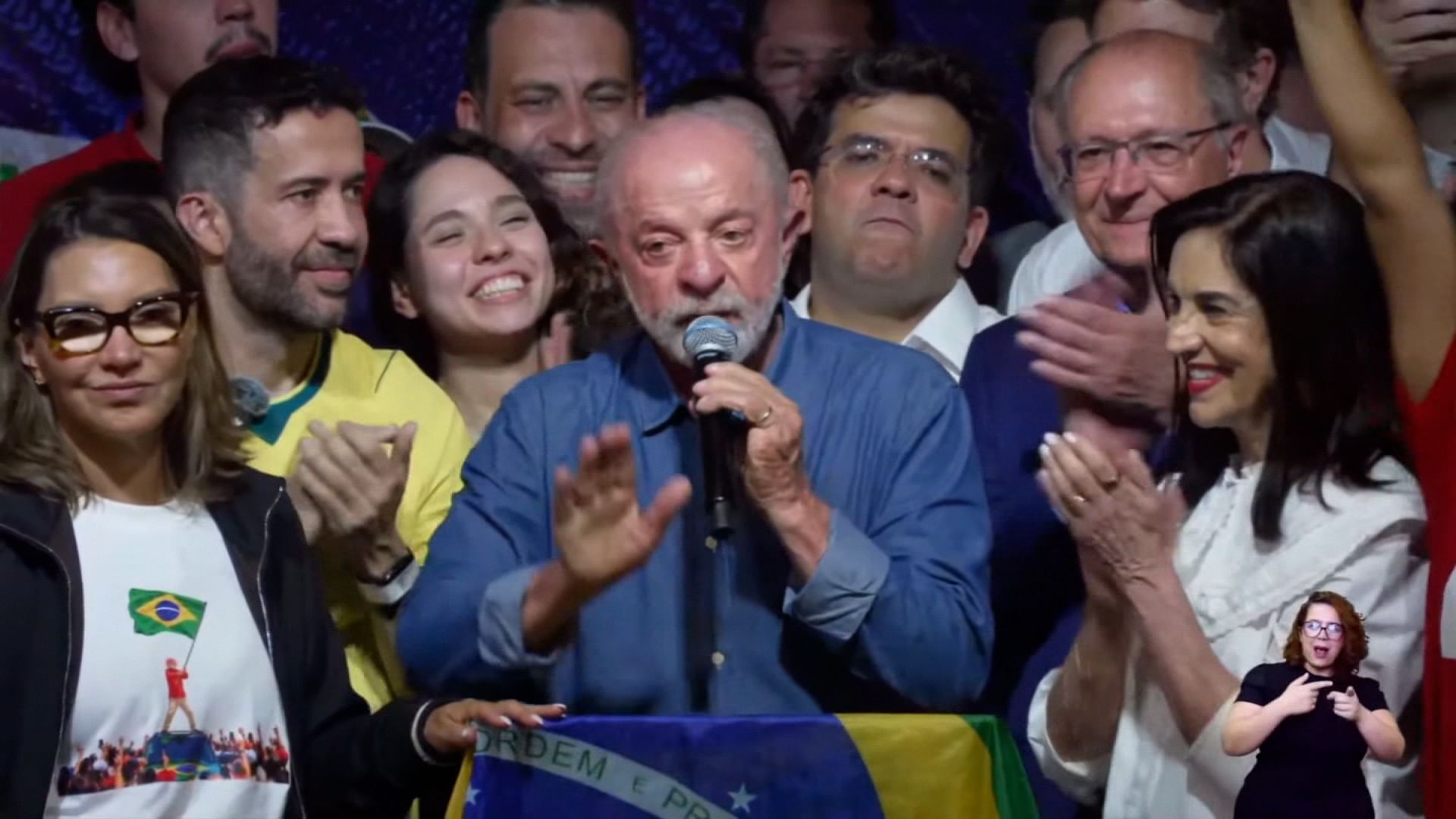
从协调一致的社交媒体活动到重夺国家象征,这一在线策略动员了许多人为卢拉投票,专家表示,这提供了一个引人注目的例子,展示了巴西左翼如何学会在右翼的主场与之抗衡。
From coordinated social media campaigns to reclaiming national symbols, the online strategy mobilized many to vote for Lula, in an effort that experts say offers a striking example of how the Brazilian left learned to fight the right on its turf.
WhatsApp在巴西政治中是一股强大力量。雅伊尔·博尔索纳罗2018年成功的总统竞选得益于庞大的私人群组网络,这些网络传播视频、政治信息和虚假信息。
WhatsApp is a powerful force in Brazilian politics. Jair Bolsonaro’s successful presidential campaign in 2018 was supported by extensive networks of private groups that spread videos, political messages and disinformation.
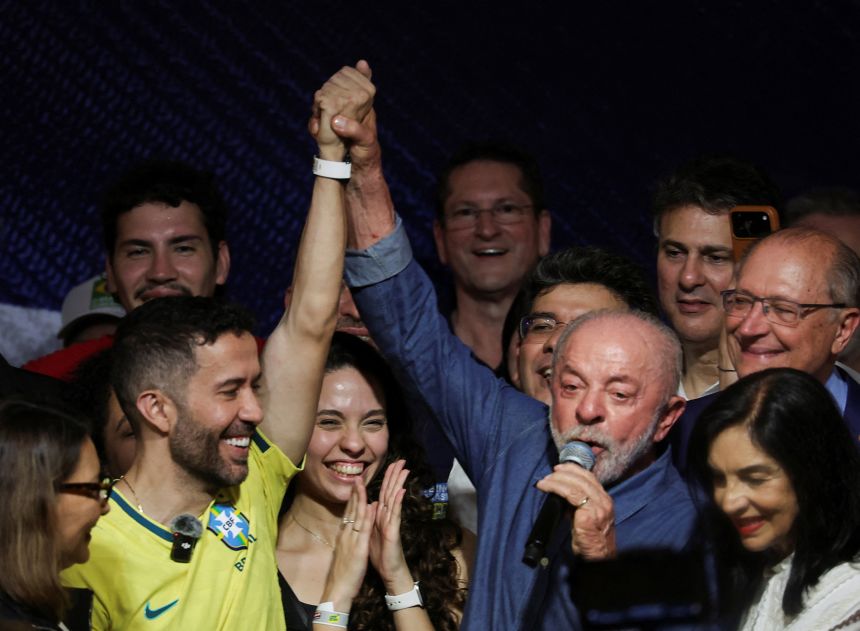
但在10月4日首轮投票前,卢拉的竞选团队一直难以与右翼的数字运作抗衡。据BMJ Consultores Associados政治分析师卢卡斯·费尔南德斯称,弗拉维奥·博尔索纳罗的竞选团队早就把社交媒体作为战略核心,而卢拉团队低估了其重要性。
But ahead of the October 4, first-round vote, Lula’s campaign had struggled to compete with the right’s digital operation. While Flávio Bolsonaro’s campaign had long made social media a central part of its strategy, Lula’s team underestimated its importance, according to Lucas Fernandes, a political analyst at BMJ Consultores Associados.
“右翼理解了这一点,并将其应用于多个战线,而不仅仅是弗拉维奥的竞选,左翼却未能完成这一转型,”费尔南德斯说,并强调社交媒体是弗拉维奥首轮获胜的关键因素之一。
“The right understood this and applied it on several fronts, not just to Flávio’s candidacy, while the left failed to make that transition,” Fernandes said, highlighting social media as one of the key factors for Flávio’s victory in the first round.
这种局面在卢拉落败后发生了改变,当时42岁的贾诺内斯成为了这一新战术手册中的核心人物。
That changed after Lula’s defeat when Janones, 42, emerged as a central figure in this new playbook.
这位来自米纳斯吉拉斯州的联邦众议员于4月创建了WhatsApp频道。在卢拉首轮投票败给博尔索纳罗后,贾诺内斯将其改造为一个虚拟指挥中心,向突然面临失去总统宝座可能性的支持者发布协同指令。
The congressman for the state of Minas Gerais created the WhatsApp channel in April. After Lula’s first-round loss to Bolsonaro, Janones transformed it into a virtual command center, issuing coordinated instructions to supporters who were suddenly confronting the possibility of losing the presidency.
弗鲁米嫩塞联邦大学教授、政治传播研究者维克托·查加斯将贾诺内斯描述为一位“用极右翼同样的资源对抗极右翼”的政治家,他诉诸情绪化信息、激进语言,有时还使用来源可疑的内容。
Viktor Chagas, a professor at Fluminense Federal University who researches political communication, described Janones as a politician who “fights the far right with the same resources it uses,” resorting to emotionally charged messages, aggressive language and, at times, content of dubious origin.
这是他在该频道部署的一种策略,使得该频道关注者从首轮投票前的5万激增至三周后的近1100万,贾诺内斯动员支持者帮助卢拉实现历史性逆转。
It was a strategy he deployed on the channel, which saw it swell from 50,000 followers before the first-round vote to nearly 11 million in three weeks as Janones rallied supporters to help Lula stage a historic comeback.
在国会内,贾诺内斯以其好斗风格著称,他将其称为“文化贾诺主义”,据查加斯称,这采用了与博尔索纳主义相关的战术。这包括挑衅性语言、情绪化帖子以及对对手的攻击。这也使贾诺内斯成为一个两极分化的人物,去年因对另一位好斗的右翼议员尼科拉斯·费雷拉发表冒犯性言论,被国会停职三个月。
Within Congress, Janones is known for his combative style, which he dubbed “cultural Janonism,” adopting tactics associated with Bolsonarism, according to Chagas. This included provocative language, emotionally charged posts, and attacks on his adversaries. It also turned Janones into a polarizing figure, who last year was suspended by Congress for three months for offensive statements against another combative lawmaker, the right-wing politician Nikolas Ferreira.
通过视频、语音消息和社交媒体帖子,贾诺内斯指示追随者推广话题标签、在直播中评论、分享视频、点赞帖子、发布比出“L”手势支持卢拉的照片,并招募新成员。
Through videos, audio messages and social media posts, Janones instructed his followers to promote hashtags, comment on livestreams, share videos, like posts, publish photos making the “L” hand gesture in support of Lula, and recruit new members.
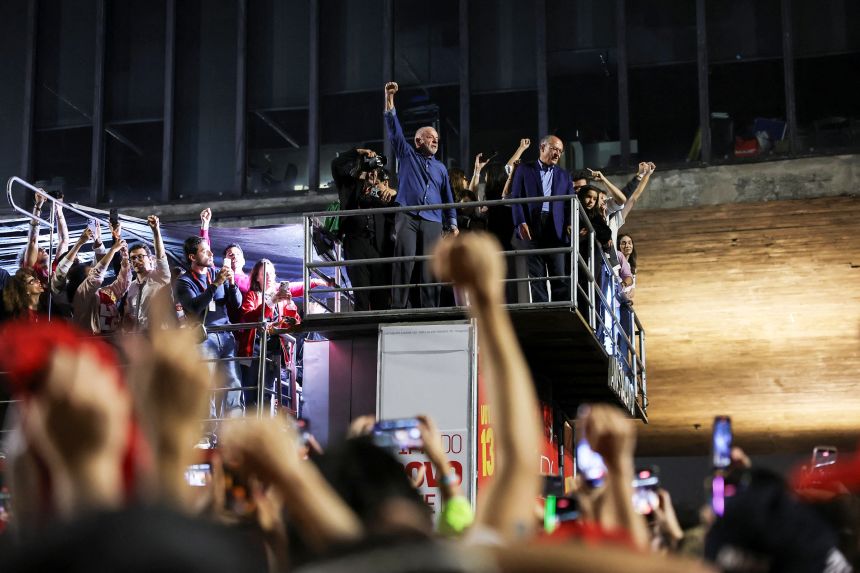
他呼吁发起——一种传统的巴西抗议形式,人们敲打锅碗瓢盆——以此抵制弗拉维奥·博索纳罗在TV Globo电视台备受瞩目的专访。雅诺内斯还敦促支持者避免在对手的帖子下评论,警告称与他们的内容互动可能会因社交媒体算法而无意中增加其曝光度。
He called for a — a traditional Brazilian form of protest in which people bang pots and pans — during Flávio Bolsonaro’s highly anticipated interview on TV Globo, as a way to boycott the broadcast. Janones also urged supporters to avoid commenting on opponents’ posts, warning that engaging with their content could inadvertently boost its visibility through social media algorithms.
节奏如此紧凑,以至于雅诺内斯甚至谴责休息,除非这名“战士”能为“任务”找到替补。10月17日,他在频道上写道:“如果有替补战士,授权换人。把手机交给他。休息一下,十分钟后回来。”查加斯将这一策略描述为一种“游戏化”,它培养了一种集体使命感。据这位学者称,这种结构使进步派数字行动主义达到了一种协调水平,甚至连卢拉2022年成功的竞选活动中也未曾出现过。
The pace was so intense that Janones went so far as to condemn resting unless the “soldier” could find a replacement for the “missions.”On October 17, he wrote on the channel: “If there is a substitute soldier, the change is authorized. Pass him the cell phone. Rest and come back in ten minutes.”Chagas described the strategy as a form of “gamification,” which fostered a sense of collective purpose. According to the academic, that structure gave progressive digital activism a level of coordination that had been absent even during Lula’s successful campaign in 2022.
博索纳罗的策略侧重于传播少数大型网红的内容,而“卢拉军团”则拥有一个中央指挥部,指示成员创作并传播自己的内容以及官方口径。专家指出,雅诺内斯不仅告诉他们分享什么,还教他们怎么分享。
Bolsonaro’s strategy focused on disseminating content from a few major influencers, while “Lula’s Army” had a centralized command that instructed its members to create and disseminate their own content as well as official lines. Janones not only told them what to share but taught them how to do it, experts noted.
研究公司IPSE Global首席执行官莱昂纳多·马加良斯·菲尔米诺将这种方法比作培训数千名小型社交媒体经理。
Leonardo Magalhães Firmino, chief executive of research firm IPSE Global, compared the method to training thousands of small social media managers.
但在线活动的激增也引发了对虚假信息的担忧。左翼广泛流传的一张图片显示,巴西足球传奇罗纳尔多身穿印有卢拉竞选号码13的国家队球衣,并做出“L”手势。据巴西事实核查机构Agência Lupa称,该图片系由一名哥伦比亚艺术家利用人工智能合成并发布。罗纳尔多的代表表示,该图片未经授权被使用。
But the rise in online activity also raised concerns about misinformation. In one widely circulated image by the left, Brazilian soccer legend Ronaldo appears to be wearing a national team jersey bearing Lula’s ballot number, 13, and making the “L” gesture. The image was manipulated by artificial intelligence and posted by a Colombian artist, according to Brazilian fact-checking outlet Agência Lupa. Ronaldo’s representatives said it had been used without his authorization.
虽然雅诺内斯的策略旨在追求民主目的,但查加斯认为,这也可能通过将复杂的政治讨论简化为持续的对抗而降低公共辩论的质量。CNN联系了雅诺内斯置评,此前他曾否认散布虚假信息。
While Janones’ tactics tend to pursue democratic ends, Chagas argues that they could also degrade public debate by reducing complex political discussions to a constant confrontation. CNN reached out to Janones, who has previously denied spreading disinformation, for comment.
在该频道上,雅诺内斯自称“将军”,给卢拉的支持者布置每日“任务”,并敦促他们将竞选活动延伸至自身社交媒体之外。
On the channel, Janones called himself “general,” assigned daily “missions” to Lula’s supporters, and urged them to take the campaign beyond their own social media.
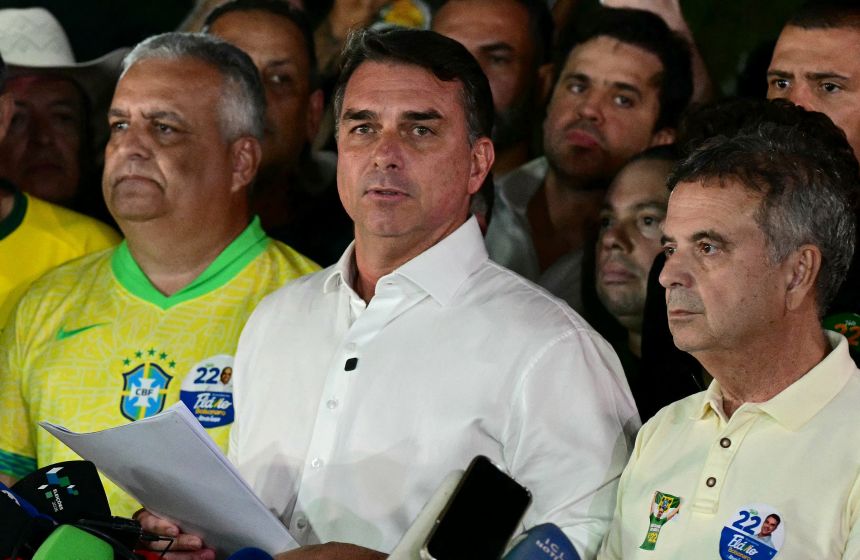
这些策略让博索纳罗的支持者感到沮丧。10月11日,一名最高法院法官在博索纳罗竞选团队以涉嫌散布虚假信息为由提出投诉后,下令暂停该WhatsApp群组。该决定随后被推翻。
The tactics frustrated Bolsonaro’s supporters. On October 11, a supreme court judge ordered the suspension of the WhatsApp group following a complaint by Bolsonaro’s campaign for alleged disinformation. The decision was later overturned.
卢拉的胜利取决于数字战场之外的因素:选民参与度、被淘汰候选人的选票流向,以及候选人支持率的地理变化。但菲尔米诺表示,雅诺内斯的线上动员对卢拉的胜利至关重要。
Lula’s victory was decided by factors beyond the digital battle: electoral participation, the redistribution of votes from eliminated candidates, and geographical changes in support for candidates. But Janones’ online mobilization was fundamental to Lula’s victory, says Firmino.
“我毫不怀疑。没有那次动员,我认为这次逆转不会发生,”他告诉CNN。“他组织了积极分子,给了他们一种方法。我认为这是关键。”据菲尔米诺称,右翼低估了雅诺内斯的策略,说他只跟卢拉支持者说话。但这正是重点:目标是直接与已经“皈依”的“战士”对话,而非摇摆选民。
“I have no doubt. Without that, I don’t think the comeback would have happened,” he told CNN. “He organized the militancy, he gave them a method. I think that’s the main point.”According to Firmino, the right underestimated Janones’ strategy, saying that he only spoke with Lula supporters. But that was the point: the goal was to speak directly with the “soldiers” who were already converted, not the undecided.
他说,这些“战士”会将信息带出频道,传递给他们的家人、朋友、摇摆选民,以及考虑弃权的人。
The “soldiers” were the ones who would take the message beyond the channel and to their family, friends, undecided voters, and those thinking about abstaining, he said.
对库尼亚来说,这些任务意味着远不止一项政治事业。她的母亲是卢拉的长期支持者,8月份病重,她在巴西米纳斯吉拉斯州陪护了数周,因此未参加首轮投票。回到圣保罗工作后,她需要一种消遣和目标,这在数字动员中找到了。
For Cunha, the missions meant much more than a political cause. Her mother, a longtime Lula supporter, became seriously ill in August and she spent weeks by her side in the Brazilian state of Minas Gerais, so she did not vote in the first round. Back in São Paulo for work, she needed a distraction and a purpose, which she found in digital mobilization.
“军队拯救了巴西,拯救了卢拉,也稍微拯救了我,”她说。参与竞选让她感觉更贴近母亲,并继续为她们共同的事业而战。
“The Army saved Brazil, it saved Lula and it saved me a little too,” she said. Participating in the campaign allowed her to feel closer to her mother and continue fighting for a cause they both shared.
但她最大的欣慰之一发生在选举日,当时一位本打算弃权的朋友最终去了投票站,投了卢拉一票。“我成功改变了一票,”库尼亚说。
But one of her greatest satisfactions came on election day, when a friend, who was thinking of abstaining, finally went to the polls and voted for Lula. “I managed to change a vote,” Cunha said.
没有人能确定有多少像她这样的故事在全国范围内转化为了额外的选票。但对库尼亚来说,胜利带来了一个意想不到的后果:在几乎完全投入竞选的三周后,恢复正常生活比她想象的要难得多。
No one can determine how many stories like hers translated into additional votes on a national scale. But for Cunha, the victory had an unexpected consequence: After three weeks spent almost entirely campaigning, getting back to normal proved harder than she imagined.
“我觉得我们正经历一种来自军队的创伤后应激障碍,就像我们真的去打过仗一样,”她说。“我们精疲力竭,但想要更多任务。我们感觉自己能征服世界。”
“I think we’re living through a kind of post-traumatic stress from the Army, like we’ve really gone to war,” she said. “We’re exhausted, but we want more missions. We feel like we can conquer the world.”