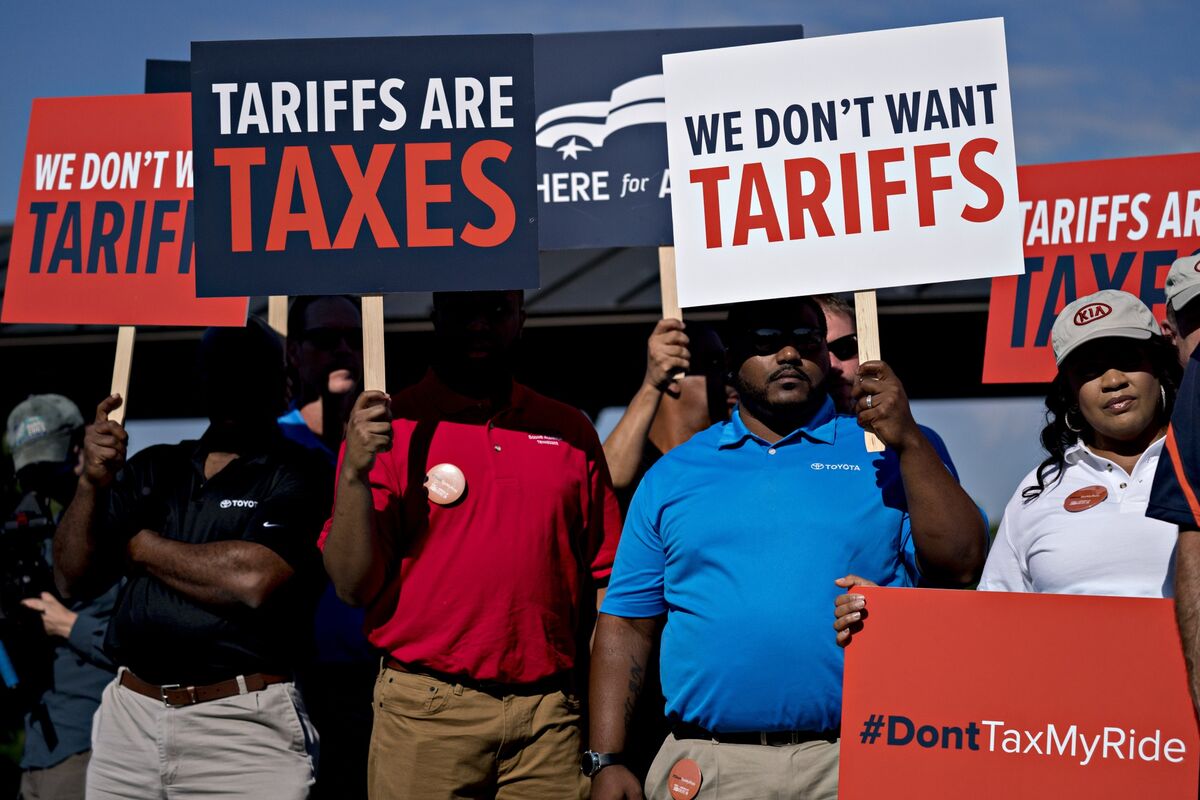
作者:《编辑委员会》在周二中期选举中共和党遭遇惨败之际,有一点不应被忽视:选民已经断然否定了总统的关税政策,而新的民主党国会多数派应当尽其所能将其推翻。反复无常的关税政策至今已扰乱美国经济近十年。尽管全部后果尚需时间才能显现,但显而易见的是,迄今为止代价沉重,并且正落在美国人身上。
By The Editors Amid the drubbing Republicans received in midterm elections on Tuesday, one point shouldn’t get lost: Voters have summarily rejected the president’s tariffs, and the new Democratic congressional majority should do what it can to overturn them. Erratic tariff policy has now been disrupting the the US economy for close to a decade. Although the full consequences will take time to emerge, it’s clear that the costs to date are heavy, and falling on Americans.
选民已经注意到了:绝大多数受访者告诉民调机构,关税损害了经济,这进一步凸显了选民对物价上涨的普遍不满。关税的拥护者——尤其是总统——一直主张,像美国这样庞大的经济体在全球贸易中拥有尚未开发的市场力量,这意味着高关税可以迫使外国供应商降价。实际上,将由外国人支付这笔税,国内消费者不会因此受损。
Voters have noticed: Large majorities told pollsters that tariffs had hurt the economy, punctuating the electorate’s overall dissatisfaction with rising prices. Tariff advocates — notably the president — have argued that an economy as big as the US has untapped market power in global trade, meaning high tariffs can force foreign suppliers to cut their prices. In effect, foreigners will pay the tax, leaving domestic consumers no worse off.
这是一个诱人的前景,理论上也并非完全不可能。然而在实践中,证据是明确的:这个想法完全是错误的。这一点早在选举日之前就应该显而易见。多项针对2018至2019年征收的关税的研究已经发现,其影响完全传导到了美国一侧的边境。更新的研究对2025年征收的关税得出了同样的结论。更高的成本被分散到不同类型的买家身上:进口商、批发商、零售商、以进口品作为投入品的生产商,以及最终消费者。
A tempting prospect, and in theory not entirely implausible. In practice, though, the evidence is clear: The idea is just plain wrong. This should’ve been obvious long before Election Day. Multiple studies of duties imposed in 2018-19 had already found their effects were fully passed through to the US side of the border. Newer work finds the same of those imposed in 2025. Higher costs get spread around different kinds of buyers: importers, wholesalers, retailers, producers using imports as inputs, and final consumers.
这种分散掩盖并延迟了关税对总体通胀的最终影响——而总体通胀只关注最后一类,即最终消费品的价格。尽管存在这些复杂因素,基本事实仍然是美国人在买单。反复无常的政策进一步使情况复杂化。针对特定国家适用的税率往往与最初宣布的税率大相径庭。关税因贸易伙伴的让步、法律挫折和不断变化的理由而上下波动。
This dispersal obscures and delays the eventual effects of tariffs on headline inflation — which is concerned only with that last category, the prices of final consumer goods. Despite such complexities, the basic fact remains that Americans have been picking up the bill. Volatile policy has further complicated the picture. Rates applied to particular countries have often been wildly at odds with what was first announced. Tariffs have veered up and down in response to trade partners’ concessions, legal setbacks and shifting rationales.
由于前景如此不确定,进口商目前很可能选择自行消化部分上涨的成本,而不是冒着因可能是暂时的混乱而失去客户的风险。但这种缓解很可能是暂时的。今年进行的调查发现,超过40%受关税影响的企业预计将在适当的时候转嫁更多成本。纽约联邦储备银行的经济学家们阐明了另外两个间接渠道,关税通过这些渠道在延迟之后推高消费者价格。
With the outlook so uncertain, importers have likely chosen to absorb some of the higher costs for now, rather than risk losing customers because of what might be a temporary disruption. But such relief is likely to be temporary. Surveys this year found that more than 40% of businesses hit by tariffs expected to pass through more in due course. Economists at the Federal Reserve Bank of New York have clarified two other indirect channels through which, after a delay, tariffs raise consumer prices.
首先,关税推高了生产投入品的成本,这使得其他最终产品更加昂贵。其次,关税让竞争性商品的卖家也得以提价。根据该研究,这些额外效应约占所测得的向消费者价格传导的30%。作者发现,截至2月,关税已使消费者价格提高了近三个百分点。消费者最终还会以其他方式承受后果。研究表明,他们已转向购买单位重量价格更高的产品,“其中一半是通过更小的包装尺寸实现的”。
First, they push up the costs of inputs in production, which makes other final products more expensive. Second, they let sellers of competing goods raise their prices too. These additional effects represent about 30% of the measured pass-through to consumer prices, according to the study. The authors find that, as of February, tariffs had added nearly three percentage points to consumer prices. Consumers are eventually on the receiving end in other ways as well. Studies have shown that they’ve switched to buying products with higher price per unit weight, “half of which is achieved via smaller package size.”
换言之,这是关税引发的缩水式通胀。与2018-19年一样,他们也在转向更便宜、质量更低的商品。诚然,如果任由新关税政策持续下去,这些发现几乎只是其将造成的损害的冰山一角。保护主义的最大长期成本——即便执行得当——是竞争减弱、低效加剧和创新放缓,这些负担将逐渐削弱美国经济的核心优势。民主党人本周有理由庆祝一场巨大的胜利。
Tariff-induced shrinkflation, in other words. As in 2018-19, they’re also gravitating to cheaper, lower-quality goods. To be sure, these findings barely scratch the surface of the harm the new tariff policies will do if allowed to persist. The biggest long-term costs of protection, even when it’s well-executed, are diminished competition, mounting inefficiency and slower innovation — burdens that would gradually undermine the US economy’s core strengths. Democrats are rightly celebrating a huge victory this week.
他们应该认识到,很少有议题比这更能回应选民对通胀的担忧——也没有哪个议题更迫切需要迅速解决。
They should recognize that few issues are more responsive to voters’ concerns about inflation — or more urgent to quickly address.
—编辑:克莱夫·克鲁克(ccrook5@bloomberg.net)、蒂莫西·拉文(tlavin1@bloomberg.net)。
—Editors: Clive Crook (ccrook5@bloomberg.net), Timothy Lavin (tlavin1@bloomberg.net).
如需联系负责彭博观点社论的资深编辑:蒂莫西·L·奥布莱恩,邮箱:tlobrien@bloomberg.net
To contact the senior editor responsible for Bloomberg Opinion’s editorials: Timothy L. O'Brien at tlobrien@bloomberg.net