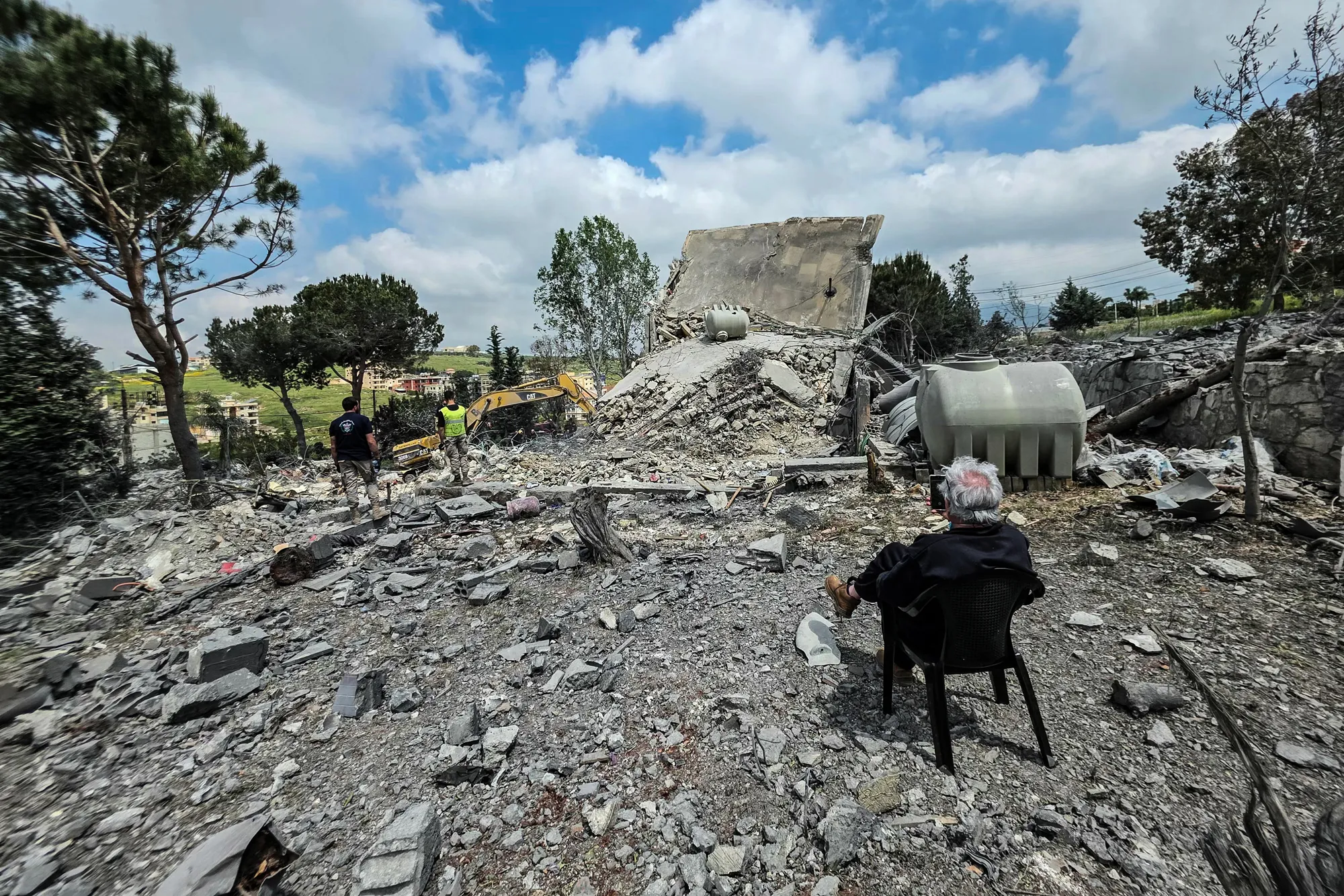
“他们觉得,这些通常用于重建的重型机械仅仅出现在那里,就是一种威胁,”人权观察组织驻黎巴嫩研究员拉姆齐·凯斯说。
“They felt that just the presence of this heavy machinery that was typically used in reconstruction was a threat,” said Ramzi Kaiss, a Human Rights Watch (HRW) researcher in Lebanon.
重建不仅仅取决于替换失去的建筑。道路需要清理,水网必须修复,还需要能够供应建筑材料和设备的工厂。然而,人权观察组织、援助工作者和联合国维和部队的报告记录了以色列袭击如何破坏这些系统,以及对进一步袭击的恐惧如何阻碍了它们的修复。
Reconstruction depends on more than replacing buildings that have been lost. Roadways need to be cleared, water networks must be restored, and there need to be factories that can supply construction materials and equipment. However, reports from HRW, aid workers, and UN peacekeepers have documented how Israeli attacks have been damaging those systems and how the fear of further strikes has obstructed their repair.
“我们确实看到一些事件,建筑设备不幸成为目标,这造成了困难,”联合国驻黎巴嫩临时部队发言人坎迪斯·阿迪尔说。“不仅是这些维修和清理瓦砾的工作难以进行,而且人们也难以重返正常生活。”
“We did see incidents in which construction equipment was unfortunately targeted, which made it difficult,” said Kandice Ardiel, a spokesperson for the United Nations Interim Force in Lebanon (UNIFIL). “Not just for these repairs and the removal of rubble to happen, but again, for people to return to their lives.”
阿迪尔说,许多居民在2024年冲突后确实返回了,“他们确实进行了重建。”但随后,“我们看到东西再次被毁。”在2025年12月的一项调查中,人权观察组织审查了以色列对四家重型机械展厅和维修设施以及一家生产水泥和沥青的工厂的袭击。这些袭击发生在2025年8月至10月,即2024年11月以色列与真主党停火协议达成之后。人权观察组织报告称,这些袭击摧毁了360多件建筑设备,并将这些袭击定性为明显的战争罪行。
Many residents did return after the 2024 fighting, “and they did rebuild,” said Ardiel. But afterward, “we’ve seen things just destroyed again.”In a December 2025 investigation, HRW examined four Israeli attacks on heavy-machinery showrooms and maintenance facilities as well as a factory that produced cement and asphalt. The strikes took place between August and October 2025, after the November 2024 ceasefire between Israel and Hezbollah. Human Rights Watch reported that the attacks destroyed more than 360 pieces of construction equipment and classified the strikes as apparent war crimes.
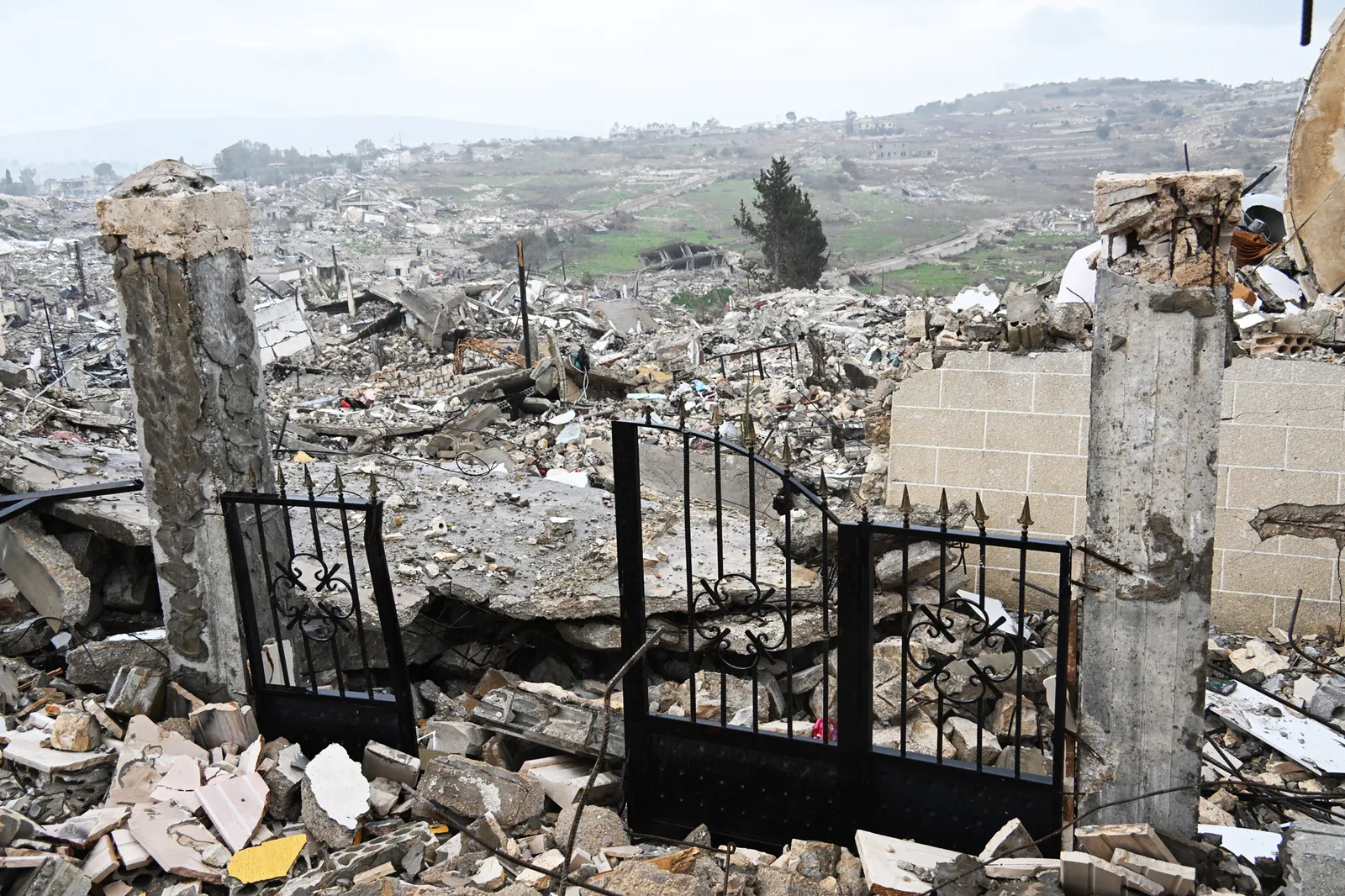
这些目标中的每一个都储存有大量必要资源。凯斯走访了其中四个地点,目睹了大规模的破坏:“这些是数百台、数百台用于重建相关工序的重型机械。”以色列军方在Telegram上表示,这些设备和材料支持了真主党的基础设施重建,或意在支持其重建。人权观察表示,未在这些地点及其周边发现军事目标的证据。尽管该组织无法确定每一台遭袭机器或每一批物资的预期用途,但未发现任何证据表明这些物资意在军事用途。人权观察确实核实了部分设备的民用用途。
Each of these targets had large supplies of necessary resources. Kaiss visited four of these sites, across which she saw a massive scale of destruction: “These are hundreds and hundreds of heavy machinery used in reconstruction-related processes.”The Israeli military said on Telegram that the equipment and materials supported, or were intended to support, Hezbollah’s reconstruction of its infrastructure. HRW said it found no evidence of military targets at or around the sites. Though the organization could not establish the intended use of every attacked machine or store of materials, it did not find any evidence that these supplies were intended for military use. HRW did, however, verify civilian uses for some equipment.
尽管重建陷入停滞,破坏却在持续。据以色列国防部长伊斯雷尔·卡茨自己的统计,截至10月,已有2.3万所房屋和60多个村庄被摧毁。《纽约时报》的一项分析发现,以色列部队已基本夷平了其占领区内约60个村镇中的48个,其中大多数是在4月重新停火后被夷平的。以色列军方告诉《纽约时报》,未收到实施大规模破坏建筑物或拆毁村庄的指令。
And though reconstruction has stalled, the destruction has continued. By Israeli defense minister Israel Katz’s own count, 23,000 homes and more than 60 villages have been destroyed as of October. A New York Times analysis found that Israeli forces have largely leveled 48 of the roughly 60 villages and towns in the area they occupy, most of them after the renewed ceasefire in April. The Israeli military told the Times it had received no directive to carry out widespread damage to structures or to demolish villages. (WIRED Middle East contacted the Israel Defense Forces for comment but received no response at the time of publication.)
(《连线》中东曾联系以色列国防军置评,但在发稿时未收到回复。)在联合国磋商期间,杰巴勒阿梅勒的地方官员报告称,约6500个流离失所家庭无法返回该区域内的十几个村庄。这些村庄位于以色列划定的“黄线”内,该线标示了黎巴嫩南部的军事区,该区域的限制措施阻碍了恢复基本服务的努力。
During UN consultations, local officials in Jabal Amel reported that around 6,500 displaced families could not return to a dozen villages inside the zone. These were inside the Israeli-declared “Yellow Line,” which marks a military zone in southern Lebanon, and restrictions in this area have obstructed efforts to restore essential services.
无国界医生项目协调员夏琳·西尔文率领一个小组走访了宾特朱拜勒地区约20个城镇,记录供水设施受损情况。“路上没有一个村庄未以某种方式遭到袭击,”她说。
Charlene Silvin, a Doctors Without Borders project coordinator, led a team that visited about 20 towns in the Bint Jbeil area to document damage to water supplies. “There was not one village on the road that was not hit in some capacity,” she said.
Silvin 建立了一个账户,追踪从水源到民众家庭的损害情况。在该地区,为村庄供水的钻孔井——用作水井的深竖井——位于由以色列军队控制的山谷中。不仅难以进入,而且供水基础设施的许多组件都已受损。有储水罐已无法蓄水,抽水和过滤装置也处于离线状态。这些本应由太阳能供电,但 Silvin 及其团队勘测的几乎每一块太阳能电池板都已损坏。
Silvin created an account tracing damages from water sources to people’s homes. In this region, the boreholes—deep vertical shafts used as wells—that supply the villages with water lie in a valley held by Israeli troops. Not only is access difficult, but many components of the water infrastructure were damaged. There were storage tanks that could no longer hold water, and pump and filtration units were offline. These were supposed to be powered by solar energy, but nearly every panel Silvin and her team surveyed had been damaged.
在 Yater 市,无国界医生安装了条件较差的塑料水箱,因为主水箱被认定为无法修复。在 Froun,该组织采取了不同的方法,修复了过滤装置并将其直接连接到水源,绕过了受损的水箱。这只是所需维修的一小部分。该组织在 2026 年 9 月的声明中指出,它已记录在案黎巴嫩南部水井、水泵、发电机、过滤装置和管道的损坏情况。
In the municipality of Yater, Doctors Without Borders installed less ideal plastic tanks, because the main water tank was deemed irreparable. In Froun, the organization took a different approach, repairing the filtration unit and connecting it directly to the water source, bypassing the damaged tank. This is just a small sample of the needed repairs. The group noted in its September 2026 statement that it had documented damage to wells, pumps, generators, filtration units, and pipelines across southern Lebanon.
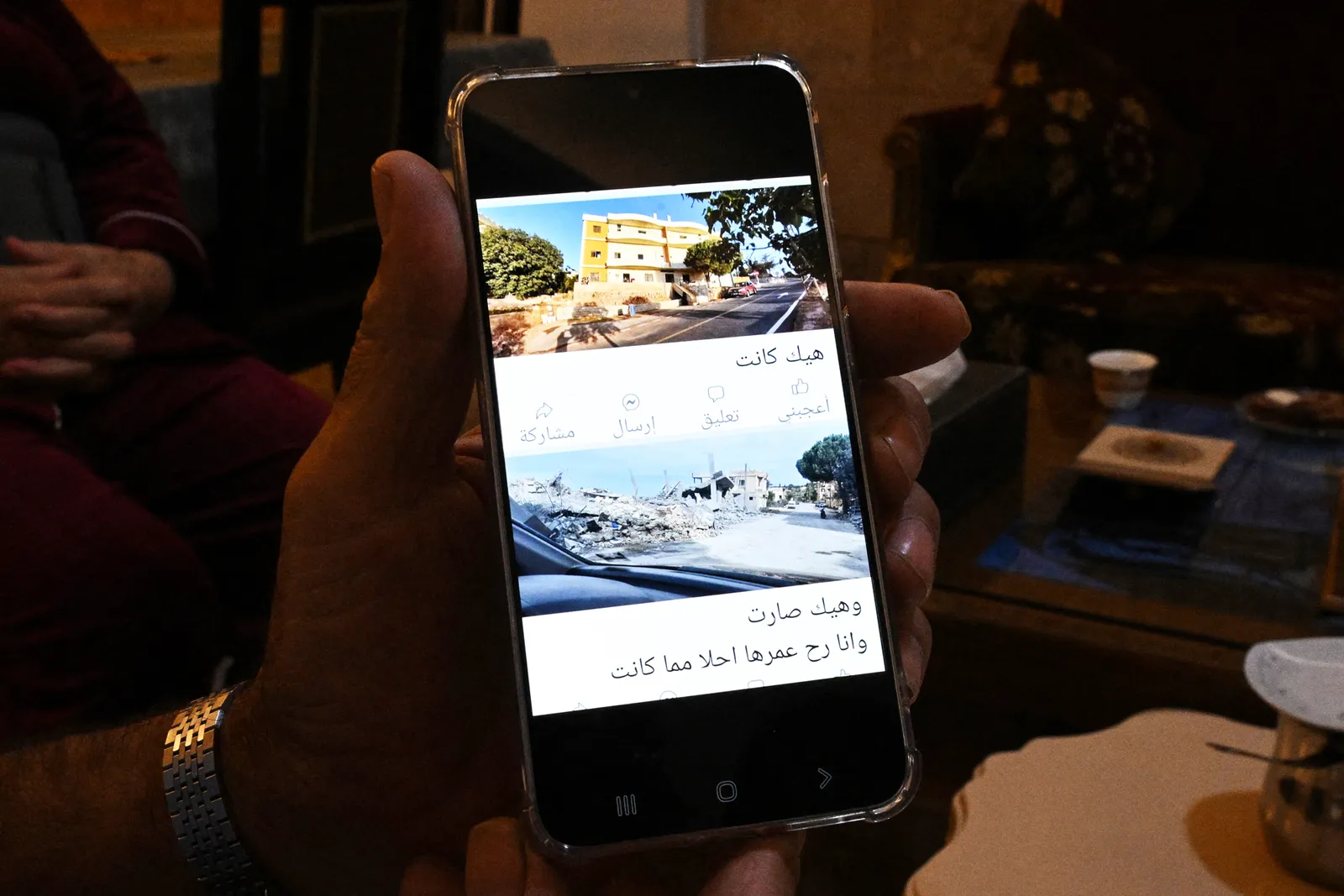
对重型机械和水资源的袭击在多个方面交织在一起,其中包括施工车辆有时是到达损坏水泵的必要条件。联黎部队在一份 2026 年的维修记录中描述,曾勘测一条长 280 米、供维修起重机通行的路线。大部分路段已受损并被土堤阻挡——土堤是有时在军事冲突中用作屏障的压实土堆。维和人员不得不先清理这些土堤,才能运入设备修复水井。
The attacks on heavy machinery and water resources collide in multiple ways, including the fact that construction vehicles are sometimes necessary to even reach broken pumps. In a 2026 account of repairs, UNIFIL described surveying a 280-meter access route for a maintenance crane. Most of the route was damaged and blocked by berms—mounds of compacted dirt sometimes used as barriers in military conflicts. Peacekeepers had to clear these before they could bring in equipment to repair the well.
有些家庭依靠卡车运来的水,比如返回扎瓦塔尔·加尔比耶的90户人家——那里曾经有500户。然而,这并不是长久之计,而是一种昂贵且有限的替代方案。“这不是一个系统,”西尔万说,“只是一滴水。”另一场袭击的威胁也影响着哪些设施能得到修复。“任何投资修复基础设施的人,都会担心干预措施在很短时间内再次遭到破坏,”西尔万补充道。
Some are relying on trucked-in water, like the 90 families who returned to Zawtar Al-Gharbiyeh, which once had 500 households. This, however, isn’t a long-term solution but an expensive and limited substitute. “It’s not a system,” Silvin said. “It’s a drop.”The threat of another attack also shapes what gets repaired. “Anyone that would be investing in repairing the infrastructure would be doing so with the fear that the intervention is damaged again in a very short while,” Silvin added.
对她所在的团队而言,这意味着往往选择临时修补,而非居民所需的持久基础设施。联合国10月的一份报告还描述了各市政府在支付员工工资、燃料泵和车辆维护方面举步维艰,一些地方水务部门和公务员告诉西尔万,当他们试图前往“黄线”附近的受损地点时,遭到以色列军队的恐吓。
For her team, that means often opting for temporary fixes rather than the lasting infrastructure residents need. An October UN report also described municipalities struggling to pay staff, fuel pumps, and maintain vehicles, and some local water authorities and civil servants told Silvin that Israeli forces had intimidated them when they tried to reach damaged sites near the Yellow Line.
阿迪尔将维和人员描述为“实地所发生之事的公正记录者”。他们的撤离引发了关于这项工作将如何继续的疑问,同时还伴随着恢复住房和服务的紧迫挑战。
Ardiel describes the peacekeepers as “the impartial record keepers of what’s happening on the ground.”Their departure raises questions about how that work will continue, alongside the immediate challenge of restoring homes and services.
对于一名来自宾特朱拜勒区尔沙夫的27岁女子——她出于安全原因要求匿名——破坏只能从远处看到。她当时在西班牙,有人给她发了一张卫星图像,显示她家的房子已化为瓦砾。
For one 27-year-old woman from Rshaf in the Bint Jbeil district—who requested anonymity for safety reasons—the destruction is visible only from a distance. She was in Spain when someone sent her a satellite image showing her family home reduced to rubble.
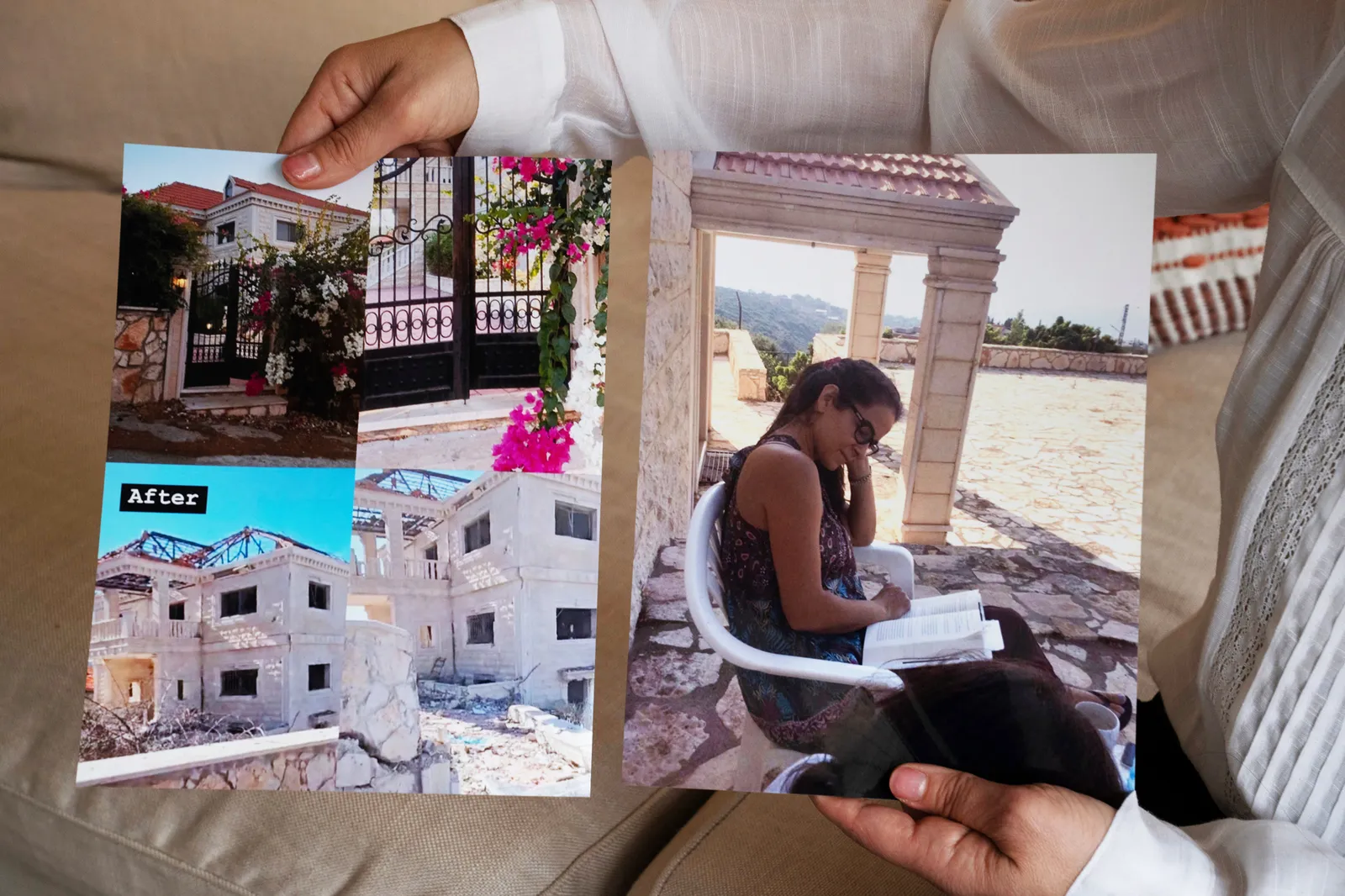
“我甚至不知道墓地是否还在,”她说,“我们无法前往那里,通过卫星图像也看不清,因为到处都是瓦砾,图像非常模糊。”
"I don’t even know if the cemetery is still there,” she says. “We have no way to access it, and with satellite imagery I can’t tell, because everything is rubble and it’s very pixelated.”
这种损失将超越任何停火协议的存续。自3月以来一直住在联黎部队基地的阿迪尔,目睹了“数百甚至数千年树龄”的橄榄树被毁。“这里正在被抹去的遗产,”她说,“即使冲突今天结束,恢复过程也将极其漫长。”
The loss will outlast any ceasefire. Ardiel, who has lived on a UNIFIL base since March, has watched olive trees “hundreds or even thousands of years old” be destroyed. “There’s a legacy here that’s being wiped out,” she said. “Even if the conflict were to end today, the recovery process is going to be intense.”
然而,返回家园的渴望依然存在。凯斯反复听到流离失所的家庭说:“我们不需要任何东西,只需要他们允许我们回去。我们会在自家废墟上搭帐篷,就住在那里。”西尔文在受损最严重的村庄已经看到了这种情况,家庭们“在废墟上重启生活”。
Yet the desire to return persists. Displaced families repeatedly tell Kaiss: “We don’t need anything but for them to allow us to return. We’ll pitch tents on the rubble of our homes, and we’ll live there.”That’s something Silvin has seen in the most damaged villages already, families “restarting their lives on the rubble.”
“我不相信这片土地还会再属于我们了,”来自尔沙夫的那位女子说,但她补充道,如果她的家人能回到他们的土地上,他们会重建家园。“这甚至都不是个问题。”本文最初发表于《连线》中东版。
“I don’t believe this land will ever be ours again,” said the woman from Rshaf, but she added that if her family could return to their land, they would rebuild. “It’s not even a question.”This story was originally published on WIRED Middle East.