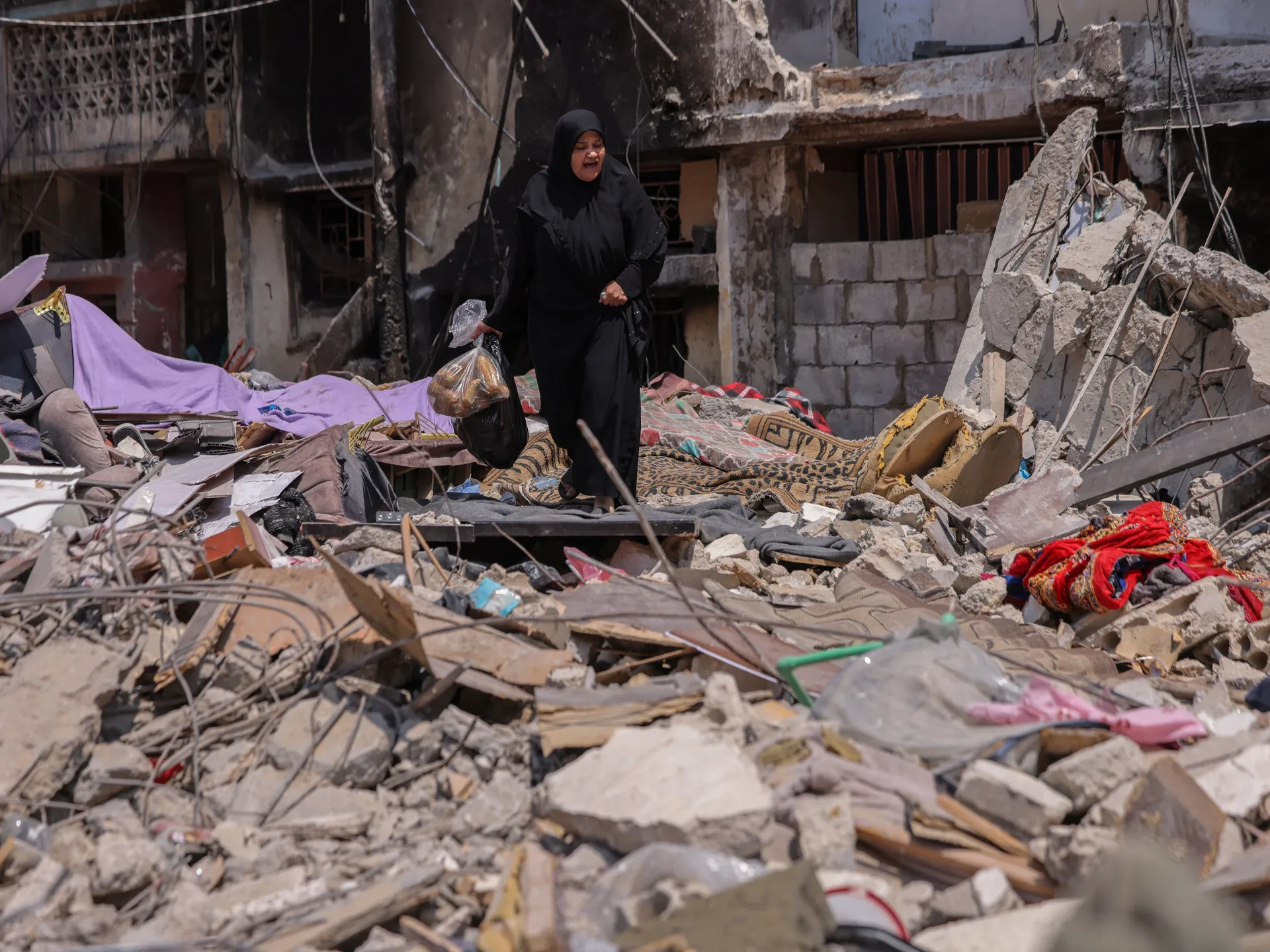
联合国称,由于不到两年内连续发生两场冲突,加之经济形势严峻,黎巴嫩近四分之一的人口,即超过100万人,正面临严重的粮食短缺。
Nearly a quarter of Lebanon’s population, or more than one million people, is facing acute food shortages due to two consecutive conflicts in less than two years and a dire economic situation, according to the United Nations.
联合国粮食及农业组织、世界粮食计划署和黎巴嫩农业部周三在一份联合声明中警告,到明年年中,这一数字预计将升至115万。
The UN’s Food and Agriculture Organization, the World Food Programme (WFP) and Lebanon’s Ministry of Agriculture warned in a joint statement published on Wednesday that the number is expected to rise to 1.15 million by the middle of next year.
联合声明称:“就业机会依然有限,储蓄已被耗尽,债务仍然高企,而食品、燃料和其他必需品的价格继续给家庭预算带来压力。”
“Employment opportunities remain limited, savings have been depleted, and debt remains high, while the cost of food, fuel and other essentials continues to strain household budgets,” the joint statement said.
世界粮食计划署驻黎巴嫩代表兼国家主任艾莉森·阿曼·拉维说:“一些家庭仍可以动用储蓄、借贷、削减开支或寻找其他方式来解决吃饭问题。对其他家庭来说,这些选择正被耗尽。当家庭再无任何依靠时,哪怕是一次小小的额外冲击,也可能把他们推向更深的危机。”
“Some households can still draw on savings, borrow, cut expenses or find other ways to put food on the table. For others, those options are being exhausted. When families have nothing left to fall back on, even a small additional shock can push them deeper into crisis,” Allison Oman Lawi, WFP representative and country director in Lebanon, said.
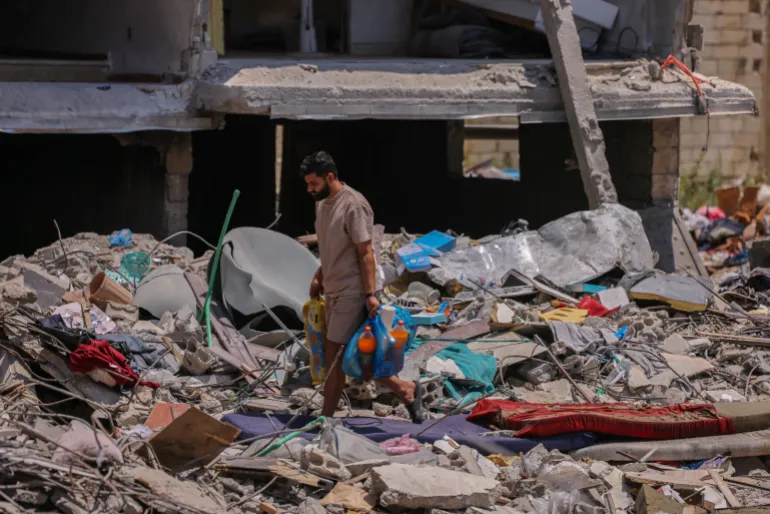
黎巴嫩农业部长尼扎尔·哈尼说:“这些发现要求采取协调一致的国家应对措施,在满足紧急粮食需求的同时,保护生计并恢复生产能力。”2026年7月5日,在黎巴嫩南部提尔,一名男子提着几袋食品杂货走过一栋在以色列空袭中被毁建筑的废墟 [佐赫拉·本塞姆拉/路透社] 黎巴嫩当局估计,自2023年10月以来以色列与黎巴嫩武装组织真主党之间的两场战争造成的损失约为270亿美元。
Lebanon’s Agriculture Minister Nizar Hani said: “These findings call for a coordinated national response that addresses urgent food needs while protecting livelihoods and restoring productive capacity.”A man carries bags of groceries as he walks amid the rubble of a building destroyed in an Israeli air strike, in Tyre, southern Lebanon, July 5, 2026 [Zohra Bensemra/Reuters] Lebanon’s authorities estimate that the cost of two wars between Israel and the Lebanese armed group Hezbollah since October 2023 amounts to about $27bn.
最近一场战争于3月爆发,导致黎巴嫩超过100万人流离失所。自6月暴力冲突平息以来,这一数字已降至约30万。
The last war, launched in March, displaced more than one million people in Lebanon. That number has fallen to about 300,000 since violence subsided in June.
尽管以色列与黎巴嫩政府于6月在美国斡旋下签署了一项旨在结束战斗的框架协议,以色列仍占领着黎巴嫩的土地。
Despite a United States-brokered framework deal signed between Israel and Lebanon’s government in June to bring fighting to an end, Israel is still occupying land in Lebanon.
根据协议条款,以色列军队应撤出,黎巴嫩军队应在撤出的地区部署阵地。黎巴嫩本应解除真主党的武装,但真主党并非该协议的缔约方。
Under the terms, Israeli forces were to withdraw, and Lebanon’s army was to take up positions in vacated territory. Lebanon was meant to disarm Hezbollah, which is not a party to the agreement.
战斗爆发之际,黎巴嫩正艰难地从2019年开始的史上最严重经济危机中复苏。
The fighting broke out as Lebanon struggled to recover from its worst-ever economic crisis, which began in 2019.
贝鲁特一直在向国际货币基金组织寻求救助,但尚未实施该机构为发放援助所要求的改革。
Beirut has been seeking a bailout from the International Monetary Fund but has yet to implement reforms demanded by the institution to release the aid.