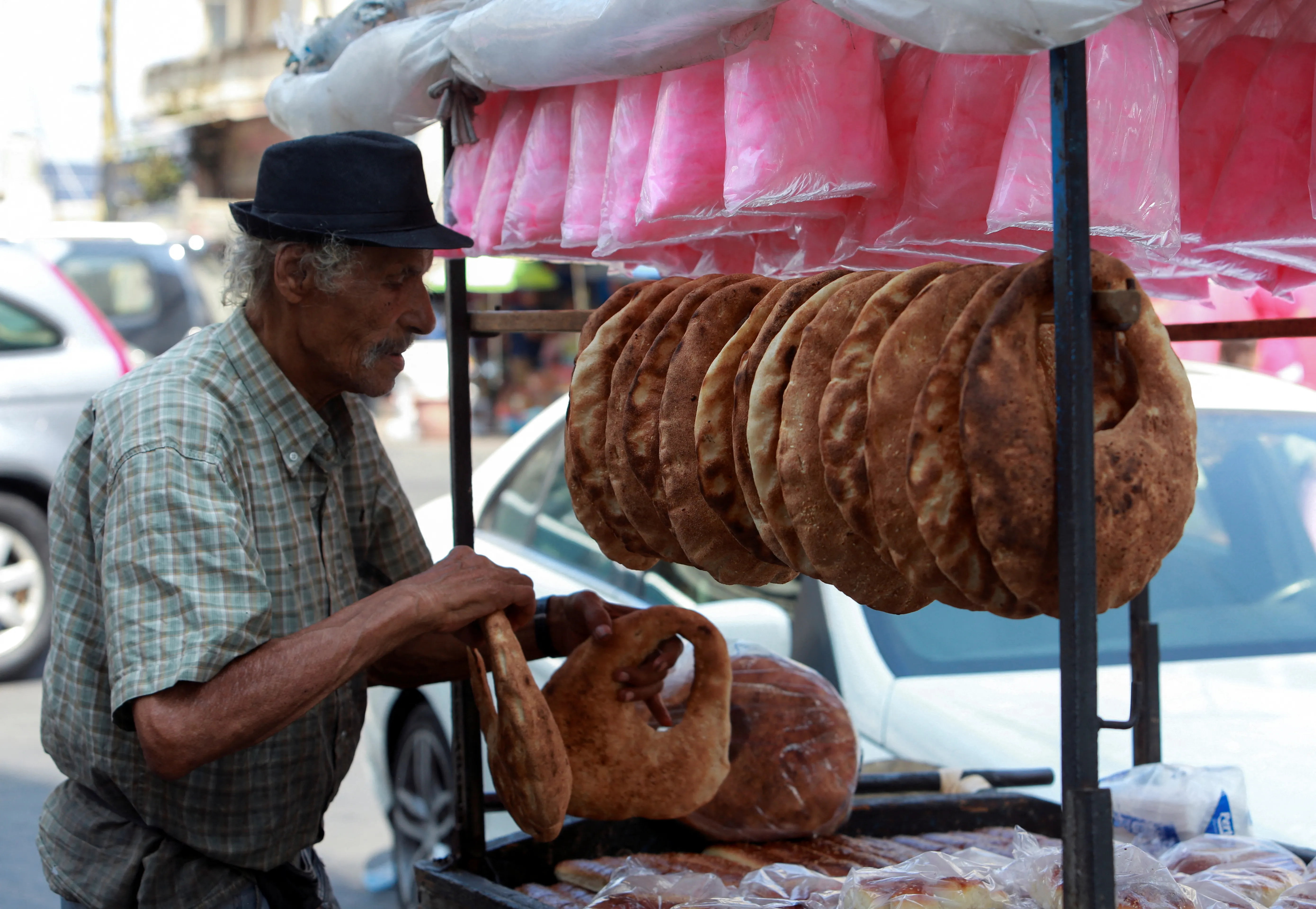
专家向半岛电视台表示,以色列对黎巴嫩的战争破坏了该国的小麦生产,也损害了农民的生活。
Israel’s war on Lebanon has damaged the country’s wheat production and harmed the lives of farmers, experts told Al Jazeera.
过去三年来,以色列一直在对黎巴嫩发动战争,占领了南部大片地区,摧毁了房屋和基础设施。一些专家称,这是蓄意让这片土地变得无法居住。
For the last three years, Israel has been waging a war on Lebanon, where it has occupied large parts of the south and destroyed homes and infrastructure, in what some experts have said is a deliberate effort to make the land uninhabitable.
以色列的反复袭击严重扰乱了该国的小麦生产,尤其是在南部和黎巴嫩东部的贝卡谷地,因战争影响而撂荒的土地已增至约24%。
Repeated Israeli attacks have created havoc on the country’s wheat production, particularly in the south and in eastern Lebanon’s Bekaa Valley, where lands abandoned due to the impacts of war have increased to around 24 percent.
《战争景观:南黎巴嫩的抵抗与生存生态》一书作者穆尼拉·哈亚特对半岛电视台说:“他们在破坏整个生态系统。[以色列]在助推干旱和荒漠化的可能,实质上是在削弱这片土地承载生命的能力。”自2023年以来,以色列一直在袭击黎巴嫩南部大片地区,包括使用白磷等化学物质。分析人士和当地民众称,此举意在使土地失去肥力或变得无法居住。2024年,法国和美国促成了停火,但以色列从未停止袭击黎巴嫩境内的目标。
“They’re disrupting entire ecosystems,” Munira Khayyat, author of A Landscape of War: Ecologies of Resistance and Survival in South Lebanon, told Al Jazeera. “[Israel is] advancing the possibilities of drought and desertification, basically weakening the capacity of this land to hold life.”Since 2023, Israel has been attacking large swaths of southern Lebanon, including using chemicals like white phosphorus, in what analysts and locals said was an effort to make the ground sterile or uninhabitable. A ceasefire was brokered in 2024 by France and the United States, but Israel never stopped attacking targets in Lebanon.
3月2日,以色列在不到两年内第二次升级对黎巴嫩的战争。此前,以色列于两天前暗杀了伊朗最高领袖阿亚图拉阿里·哈梅内伊,真主党随后袭击了以色列。该组织还表示,此举也是对以色列几乎每日违反停火协议的回应。
On March 2, Israel escalated its war on Lebanon for the second time in under two years. Hezbollah had attacked Israel following Israel’s assassination of Iran’s Supreme Leader Ayatollah Ali Khamenei two days earlier. The group also said it was in response to near-daily ceasefire violations by Israel.
此后,以色列再次入侵黎巴嫩南部,占领了深入黎巴嫩境内多达10公里(6.2英里)的土地。贝鲁特和特拉维夫于6月签署了由美国斡旋的框架协议,该协议本应启动所谓的“试点区”。按照这些试点区的安排,以色列军队将撤出,由黎巴嫩武装部队进驻,后者还将致力于解除真主党的武装。
Since then, Israel has reinvaded southern Lebanon, taking land up to 10 kilometres (6.2 miles) inside the country. Beirut and Tel Aviv signed a US-brokered framework agreement in June, which was supposed to put into motion so-called “pilot zones”. Under these pilot zones, Israeli troops would withdraw to be replaced by the Lebanese Armed Forces, who would also work to disarm Hezbollah.
然而,以色列军队继续在黎巴嫩南部大肆破坏,炸毁房屋和重要基础设施,包括农田。
Instead, Israeli troops have continued to level destruction in southern Lebanon, detonating homes and crucial infrastructure, including farmland.
“(黎巴嫩)南部(小麦种植区)的平均损失最高,2023-2024年度达到47%,2024-2025年度达到61%。”黎巴嫩国家科学研究委员会研究员玛丽亚姆·易卜拉欣对半岛电视台说。她是一篇近期论文《危机中的小麦》的作者,该论文追踪了黎巴嫩2017年至2025年的小麦困境。“贝卡平原约占黎巴嫩全国小麦产量的64%,也受到严重影响,在这两个季节分别损失了约43%和57%的小麦种植面积。”在边境城镇宾特朱拜勒等地,100%的农田被毁;而在东部的巴勒贝克地区,研究称约32%的农田被毁。
“The South [of Lebanon] experienced the highest average losses [in wheat-growing areas], reaching 47 percent in 2023-2024 and 61 percent in 2024-2025,” Mariam Ibrahim, a researcher with Lebanon’s National Council for Scientific Research [CNRS-L] and author of a recent paper called “Wheat in Crisis” that tracked Lebanon’s wheat struggles from 2017 to 2025, told Al Jazeera. “The Bekaa plain, which accounts for approximately 64 percent of Lebanon’s national wheat production, was also significantly affected, losing around 43 percent and 57 percent of its wheat area during the two respective seasons.”In areas like the border town Bint Jbeil, 100 percent of cropland was destroyed, while in the Baalbeck district to the east, the study says approximately 32 percent of cropland was destroyed.
易卜拉欣说,俄乌战争导致面包价格上涨,并促使黎巴嫩国内进行一些生产。
Ibrahim said the Russian-Ukrainian war led to an increase in bread prices and incentivised some domestic Lebanese production.
“黎巴嫩镑贬值意味着,农民出售小麦时可能以本币获得更高的收入和利润,因为小麦价格日益受到国际市场价格的影响。”她说。“这提供了扩大小麦种植的额外经济激励,我们的结果显示,黎巴嫩的小麦种植面积在2022-2023年度达到峰值。”然而,专家表示,自2023年以来,以色列对黎巴嫩的战争导致原本用于种植小麦、如今休耕的土地比例从9%上升到24%,主要集中在南部和贝卡谷地。
“The depreciation of the Lebanese pound meant that farmers could potentially generate higher revenues and profits in local currency when selling their wheat, as wheat prices were increasingly influenced by international market prices,” she said. “This provided an additional economic incentive to expand wheat cultivation, and our results showed that Lebanon’s wheat cultivation area reached its peak [during] the 2022-2023 season.”However, experts said that since 2023, Israel’s war on Lebanon led to the proportion of land that had been used to grow wheat that was now left fallow increasing from 9 percent to 24 percent, mostly in the south and the Bekaa Valley.
食品保障专家埃利亚斯·加德班就职于总部设在贝鲁特的独立咨询公司AgriDev。他告诉半岛电视台,用于种植小麦的土地遭到破坏,在全国层面并未造成“显著影响”,但对南部种植小麦的农民造成了破坏性影响,他们“失去了生计”。
Elias Ghadban, a food security expert with the independent Beirut-based consultancy firm AgriDev, told Al Jazeera that the destruction of land used to farm wheat has not made a “significant difference” at the national level, but it has had a damaging effect on southern wheat farmers who “lost their livelihoods”.
加德班还指出,黎巴嫩的生活成本上涨,而工资未能跟上涨幅。“基本生活必需品的支出增加了,”他说。
Ghadban also pointed to the fact that the cost of living has increased in Lebanon while salaries have failed to match that increase. “The expenditure on basic needs went up,” he said.
经济危机之后又是三年战争,许多农民因此遭受重创,尤其是黎巴嫩南部大部分农田基本未经工业化。专家警告,以色列战争造成的破坏可能使许多农民无法重建生计,即便战斗结束也是如此。
The economic crisis, followed by three years of war, has devastated many farmers, particularly as much of southern Lebanon’s farmland is largely unindustrialised. Experts warn that the destruction caused by Israel’s war could prevent many farmers from rebuilding their livelihoods, even after the fighting ends.
“所有那些小农户成就了今天的黎巴嫩南部,他们凭借对土地的眷恋、对土地的耕作,以及为了维持生计而必须守在这片土地上的生存需求,得以守住这片土地。而这一切都将被打破,”哈亚特说。
“All those small farmers who have made southern Lebanon what it is today and have been able to hold that land through their attachment to it, through their farming of it, through their existential need to be on that land in order to make their lives viable, that’s going to be broken,” Khayyat said.