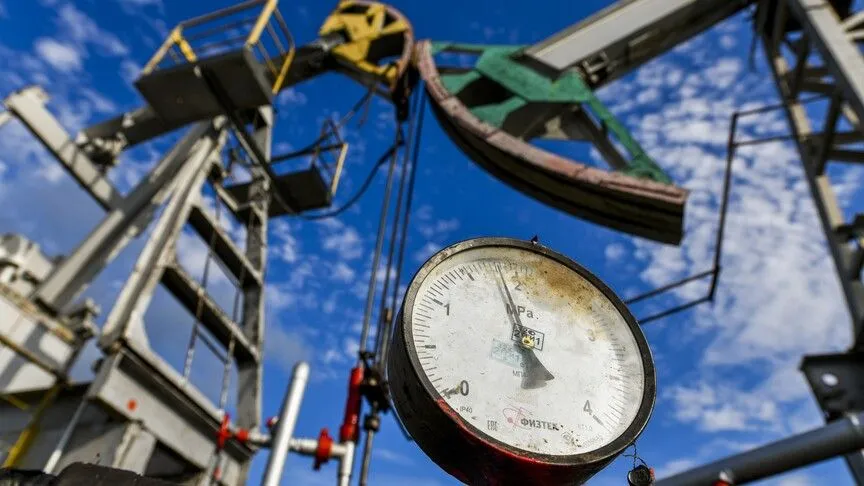
俄罗斯财政部数据显示,10月俄罗斯石油和天然气收入较上月增长一倍以上,达到9712亿卢布(119亿美元)。
Russia's oil and natural gas revenues more than doubled in October from the previous month to 971.2 billion rubles ($11.9 billion), according to Finance Ministry data.
财政部数据显示,收入较9月增长约114.7%,9月约为55.4亿美元,而8月为52亿美元。
The ministry's figures showed that revenues rose approximately 114.7% from September, when they stood at around $5.54 billion, compared with $5.2 billion in August.
这一增长之际,与伊朗战争相关的中东供应中断导致能源价格飙升。
The increase came as energy prices surged amid disruptions to Middle Eastern supplies linked to the Iran war.
10月布伦特原油价格徘徊在每桶115美元左右,而作为欧洲基准的荷兰TTF天然气期货在10月下旬交易价格超过每兆瓦时103欧元(115.7美元)。
Brent crude hovered around $115 a barrel in October, while Dutch TTF natural gas futures, Europe's benchmark, traded above €103 ($115.7) per megawatt-hour in late October.
霍尔木兹海峡是全球原油和液化天然气贸易的主要通道,该海峡的运输中断也给能源市场增添了压力。
Disruptions to shipments through the Strait of Hormuz, a major route for global crude oil and liquefied natural gas trade, also added pressure to energy markets.
据财政部称,俄罗斯10月征收的矿产开采税约为137.6亿美元,额外所得税约为43.9亿美元。
According to the ministry, Russia collected approximately $13.76 billion in mineral extraction tax and $4.39 billion in additional income tax during October.
在向石油公司支付款项和其他抵扣之后,石油和天然气净收入总计约为119亿美元。
Net oil and gas revenues totaled around $11.9 billion after payments to oil companies and other offsets.
尽管月度大幅增长,但数据显示,今年1月至10月期间,俄罗斯石油和天然气收入同比下降14.07%,至约789.1亿美元。
Despite the sharp monthly increase, Russia's oil and gas revenues declined 14.07% year-on-year in the January-October period to approximately $78.91 billion, according to the data.
与此同时,根据一项旨在稳定国内燃料价格的机制,政府向石油公司支付的款项从9月的37.4亿美元增至10月的约50.8亿美元。
Meanwhile, government payments to oil companies under a mechanism designed to stabilize domestic fuel prices rose to approximately $5.08 billion in October from $3.74 billion in September.
该机制在石油产品出口价格超过国内价格时由联邦预算提供补偿,以帮助维持国内市场燃料供应并限制价格上涨。
The mechanism provides compensation from the federal budget when export prices for petroleum products exceed domestic prices, helping maintain fuel supplies in the domestic market and limit price increases.