中国对陷入困境的市场的国家干预本周加速推进,甚至在美国中期选举结果给全球市场带来冲击之前便已启动。
China’s state intervention in the struggling market accelerated this week, even before the US midterm results gave global markets a jolt.
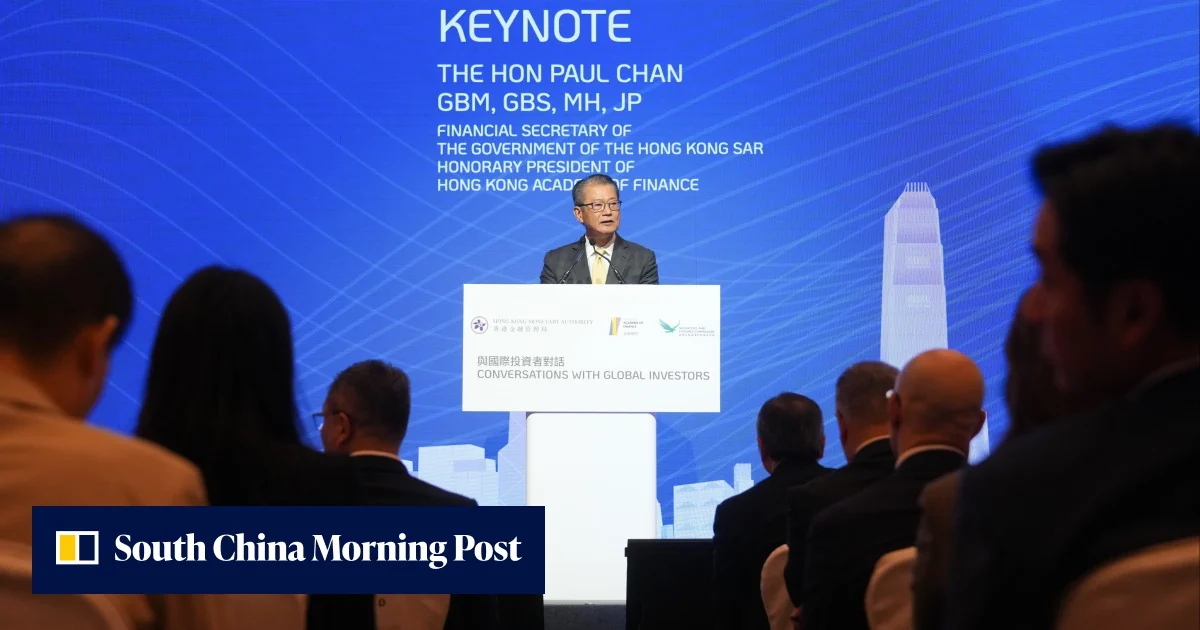
与此同时,全球高管齐聚香港,探讨从人工智能交易到资产多元化及财富管理等议题,正值该市季度经济增速好于预期之际。以下是本周引发市场关注的关键数据:由香港金融管理局主办的年度活动“环球金融领袖投资峰会”本周吸引逾300名全球高管聚首该市,其中包括逾100名集团主席兼首席执行官,主题为“重塑行动指南”。人工智能基础设施主导了议程:太平洋投资管理公司(Pimco)的埃马纽埃尔·罗曼(Emmanuel Roman)指出,未来五年潜在需求达10万亿美元,并表示届时将“过犹不及”。
Meanwhile, global executives gathered in Hong Kong to discuss issues ranging from the AI trade to asset diversification and wealth management, amid the city’s better-than-expected quarterly economic expansion. Below are key figures catching market attention this week: The Global Financial Leaders’ Investment Summit, an annual event organised by the Hong Kong Monetary Authority, drew more than 300 global executives to the city this week, including more than 100 group chairmen and CEOs, under the theme “Rethinking the Playbook”. AI infrastructure dominated the agenda: Pimco’s Emmanuel Roman put potential demand at US$10 trillion over five years and said it would at some point be “too much”.
追踪中国主要股市指数(包括沪深300、上证50及科创50)的中国ETF本周大幅上涨,Wind数据显示,仅前两个交易日估计净流入便超过1000亿元人民币(约150亿美元),自9月下旬以来累计达约5560亿元人民币。
China’s ETFs that track major indices of the nation’s stock markets, including the CSI 300, SSE 50 and Star 50, rose sharply this week, with an estimated net inflow of more than 100 billion yuan (US$15 billion) in the first two sessions alone, taking the total since late September to about 556 billion yuan, Wind data showed.
美国股市隔夜遭遇历史性抛售,三大指数大幅下挫,因投资者押注民主党在中期选举中全面获胜将拖慢人工智能数据中心建设步伐,道琼斯指数下跌3.44%,纳斯达克综合指数下跌5.52%,标普500指数下跌4.35%——录得自2025年4月以来最差单日表现。
US stocks suffered a historic sell-off overnight, with the three major indices falling sharply as investors bet a Democratic sweep in the midterms would slow the AI data-centre buildout, with the Dow falling 3.44 per cent, the Nasdaq Composite down 5.52 per cent and the S&P 500 losing 4.35 per cent – its worst day since April 2025.
纳斯达克100指数下跌6.4%,市值蒸发2.3万亿美元;费城半导体指数下跌12%,创下2020年以来最差表现;英伟达下跌逾9%。存储芯片股重挫。闪迪暴跌逾22%,美光科技和西部数据均下跌逾17%。
The Nasdaq 100 shed 6.4 per cent, or US$2.3 trillion in market value; the Philadelphia Semiconductor Index lost 12 per cent, its worst since 2020; and Nvidia was down more than 9 per cent. Memory stocks were hit hard. SanDisk plummeted more than 22 per cent, while Micron Technology and Western Digital both shed more than 17 per cent.
Wind数据显示,截至9月底,合格境外机构投资者(QFII)项下外资持有的A股市值同比增长80%,增至2700亿元人民币(约合405亿美元)——这是全球资金正在回流这一市场的最明确信号,尽管该市场仍较2025年收盘水平低11.6%。
Foreign holdings of A-shares under the Qualified Foreign Institutional Investor programme rose 80 per cent from a year earlier to more than 270 billion yuan (US$40.5 billion) by the end of September, Wind data showed – the clearest sign that global money is returning to a market still 11.6 per cent below its 2025 close.
香港经济第三季度增长5.2%,实现连续第15个季度扩张,得益于人工智能相关电子产品出口和稳健消费抵消了房地产市场降温的影响。9月商品出口同比激增64.9%,创逾四十年来最快单月增速,零售销售已连续第17个月上升。
Hong Kong’s economy grew 5.2 per cent in the third quarter, its 15th consecutive quarter of expansion, as exports of AI-related electronics and steady consumption outweighed a cooling housing market. September’s goods exports rose 64.9 per cent, the fastest monthly gain in more than four decades, and retail sales rose for a 17th straight month.