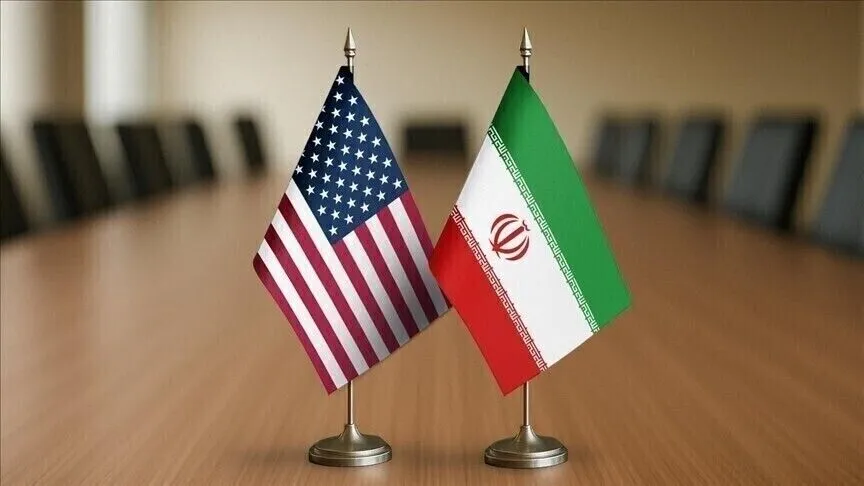
伊朗高级安全官员周五表示,伊朗将不再仅依赖美国的书面承诺,而是期待在进入新一轮外交之前看到具体行动。
Iran will no longer rely solely on written commitments from the US and expects concrete actions before entering a new phase of diplomacy, a senior Iranian security official said Friday.
据伊朗国家通讯社伊尔纳(IRNA)报道,伊朗最高国家安全委员会副秘书长阿里·巴盖里称,过去18个月来,华盛顿因违背承诺而反复破坏谈判。
Ali Bagheri, deputy secretary of Iran’s Supreme National Security Council, said Washington had repeatedly disrupted negotiations by violating its commitments over the past 18 months, according to the Iranian state news agency IRNA.
巴盖里说:“伊朗必须亲眼看到美国的实际行动。”他补充说,只有采取此类步骤后,新的外交契机才会成为可能。
“Iran must see practical actions by the US with its own eyes,” Bagheri said, adding that a new diplomatic opening would become possible only after such steps were taken.
巴盖里还透露了周四伊朗安全事务负责人穆赫辛·礼萨伊在莫斯科与俄罗斯总统弗拉基米尔·普京会晤的细节,称会谈持续了约三小时。
Bagheri also provided details of Thursday’s meeting between Iranian security chief Mohsen Rezaei and Russian President Vladimir Putin in Moscow, saying the talks lasted approximately three hours.
他说,礼萨伊此行的主要目的是传达最高领袖穆杰塔巴·哈梅内伊的信息,阐述德黑兰的优先事项及对伊俄双边合作的愿景。
He said the primary purpose of Rezaei’s visit was to deliver a message from Supreme Leader Mojtaba Khamenei outlining Tehran’s priorities and vision for bilateral cooperation with Russia.
他补充说,该信息旨在阐明在哈梅内伊领导下伊朗与俄罗斯关系的前景。
The message was intended to clarify the prospects for Iran-Russia relations under Khamenei’s leadership, he added.
巴盖里还强调了战略项目,包括拟议的俄罗斯天然气输送至伊朗以及国际南北运输走廊,称这些项目能够加强经济合作并削弱华盛顿向德黑兰施压的能力。
Bagheri also highlighted strategic projects, including the proposed transfer of Russian natural gas to Iran and the International North-South Transport Corridor, saying they could strengthen economic cooperation and reduce Washington’s ability to pressure Tehran.
他的言论是在外交努力试图缓和德黑兰与华盛顿紧张关系之际发表的,此前美以针对伊朗的军事行动于2月28日开始。
His remarks come amid diplomatic efforts to ease tensions between Tehran and Washington following the US-Israeli military offensive against Iran that began on Feb. 28.
双方已通过地区调解人举行间接谈判,但在安全安排和履行承诺方面的分歧继续使外交努力复杂化。
The two sides have held indirect negotiations through regional mediators, with disagreements over security arrangements and the implementation of commitments continuing to complicate diplomatic efforts.