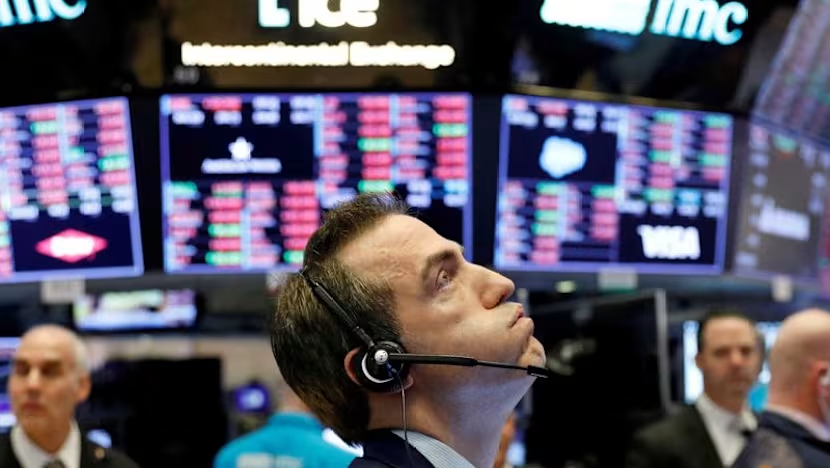
伦敦:这事儿现在有点荒谬了。科技股再次遭遇重创,这仅仅是过去几周内的第三次震荡。但这一次比之前几次恐慌更令人担忧。投资者再次、但这次是真切地在问:“这是‘大地震’吗?AI泡沫终于要破裂了吗?”我不敢说我知道答案。过一周左右再问我,到时候我们就会知道,这波动荡是会加深扩大,还是又是一次虚晃一枪。但我们大家又都在问同一个问题,这本身就非常说明问题。
LONDON: This is getting faintly ridiculous now. Yet again, tech stocks are being hit hard the third shakeout in just the past few weeks. But this is more worrisome than previous outbreaks of nerves. Once more, but this time with feeling, investors are asking: “Is this the big one? Is the AI bubble finally bursting?”I don’t claim to know the answer. Ask me again in a week or so, and we will know if this wobble deepens and broadens or if it is yet another head fake. But the fact that we’re all asking the same question yet again is very telling in itself.
AI技术行得通,这点毋庸置疑。但互联网发展得也挺好,可四分之一世纪前它依然把市场搞崩了(抱歉,如果这让你觉得老了)。任何讲道理的人都能看出AI资产身上有不可持续狂欢的特征,或许最显眼的就是AI相关股票,它们确实主导着美国和全球市场。从一份可能的压力来源清单中挑挑拣拣:日益花样翻新的高杠杆债务结构、令人存疑的真实营收潜力、以及让人摸不着头脑的循环融资案例。
It is clear that AI technology works. No argument there. But the internet worked out pretty well, and it still crashed the markets a quarter of a century ago. (Sorry if that makes you feel old.) Any reasonable person can see the hallmarks of an unsustainable party in AI assets, perhaps most conspicuously in AI-related stocks, which truly dominate US and global markets. Pick from a list of possible sources of stress, including high levels of increasingly creatively structured debt, questionable levels of true revenue potential, and head-scratching examples of circular financing.
正如国际清算银行近期指出的,近29%的AI企业投资交易流向其他AI企业,而流入AI企业的投资有一半以上来自其他AI企业。在危机时刻,循环融资很容易变成循环火力队(自相残杀)。
AI WAS ON THE US BALLOT PAPER As the Bank for International Settlements recently pointed out, nearly 29 per cent of AI firms’ investment deals are in other AI firms, and more than half of incoming investment in AI firms comes from other AI firms. In a crisis, circular financing can easily turn into a circular firing squad.
所有这些情况几个月来一直存在,也被广泛认为是潜在回调的核心交汇点。我们只是一直不知道触发点会是什么。
All of this has been true and widely accepted to be the potential nexus of a correction for months. We have just never really known what would be the trigger.
美国政治或许终于成了那个触发点。对本周这场具有历史意义的美国中期选举——民主党在国会和州级职位上取得压倒性胜利——的初步反应非常积极。
US politics may finally be that thing. The initial reaction to this week’s historic US midterm elections, which delivered thumping victories for the Democratic Party across Congress and in state-level positions, was very positive.
全球股市普遍大涨,部分原因在于选举结果明确且无争议,让市场松了一口气;部分源于期待能通过更强有力的制衡机制约束反复无常的总统,让市场恢复常态;还部分基于一种预期,即选举可能加速结束伊朗那场看似毫无意义的战争。
Stocks sailed higher all around the world, partly in relief that the result was unambiguous and uncontested, partly in hope that we could make markets normal again with stronger checks and balances to a capricious president, and partly on the sense that the elections could bring forward the end to the apparently senseless war in Iran.
国际油价跌破每桶100美元,上月末一度高达每桶118美元,此前全美选民传递出强烈信号:他们厌倦了由战争推高能源价格、进而推高生活成本(和驾车成本)。市场的判断是,无论以何种方式,战争都必须尽快结束。
The price of oil tumbled under US$100 a barrel, having stood as high as US$118 at the end of last month, after voters across the US sent a strong message that they were fed up with war-driven high energy prices jacking up the cost of living (and of driving). The market’s judgment is that one way or another, the war has to end, and fast.
但市场的良好氛围仅维持了一天。因为选民传递出的另一个明确信息是:他们不喜欢AI,具体来说,他们不希望在自家社区建设耗能耗水巨大的数据中心。
But the good vibes in markets lasted all of a day. That is because the other thing voters made clear was that they do not like AI, and specifically that they do not want enormous energy- and water-guzzling data centres built in their neighbourhoods.
AI本身在多个州直接列入选票,相关提案征询选民对于是否延缓或限制数据中心建设的意见。选民几乎每次都向大型科技公司竖起了中指。对于一个在美国经济和全球市场中撑起令人担忧大片天空的行业来说,更严格的监管和许可框架即将到来。
AI itself was on the ballot across multiple states, with measures seeking views from voters on whether to delay or restrict data centre developments. Voters stuck up two fingers at Big Tech almost every time. A much tougher regulatory and permitting framework lies ahead for a sector holding up an alarming amount of sky in the US economy and in global markets.
Citadel Securities(城堡证券)策略师Frank Flight在周四的一份报告中表示,理论上,至少部分项目只会从不友好的州转移到友好的州。这些项目最终仍会落地。也许吧。但对于依靠巨额借贷融资的项目来说,这依然是个问题。
Frank Flight, a strategist at Citadel Securities, said in a note on Thursday that in theory, at least some of these projects will simply shift from unfriendly to friendly states. They still end up happening. Maybe. But this is still a problem for projects financed with huge amounts of borrowed money.
“确保替代场地、电力和审批需要时间,因此这一调整仍可能大幅延缓部署并推高成本,”他说。“因此,我们预计建筑业及相关资源需求带来的近期增长和通胀动力将有所放缓,同时对累计投资和融资需求的影响也会较小。”
“Securing alternative sites, power and approvals takes time, so this adjustment could still materially delay deployment and raise costs,” he said. “We would therefore expect some moderation in the near-term growth and inflation impulse from construction and associated resource demand, alongside a smaller impact on cumulative investment and financing requirements.”
多元化科技公司,尤其是那些数据中心产能已被占用的公司,在最新一轮压力测试中表现相对较好。周四(11月5日),科技股为主的纳斯达克综合指数下跌5%,为19个月来最大单日跌幅。但纯AI建设押注遭遇重创。CoreWeave股价仅周四一天就下跌10%,自5月峰值以来累计跌幅达70%。芯片制造商Sandisk周四暴跌22%。美光科技下跌17%。
Diversified technology companies, particularly those with data centre capacity already tied up, are faring relatively well in the latest burst of stress, which on Thursday (Nov 5) dragged the techy Nasdaq Composite 5 per cent, its biggest fall in 19 months. But pure-play AI build-out bets have taken a real beating. CoreWeave stocks fell 10 per cent on Thursday alone, taking their decline since the peak in May to 70 per cent. Chips maker Sandisk fell 22 per cent on Thursday. Micron dropped 17 per cent.
“按这些估值来看,AI交易就像一条必须不断游动才能存活的鲨鱼,”Royal London Asset Management多元资产主管Trevor Greetham表示。真正的AI崩盘可能是什么样在10月的中期选举前,研究机构TS Lombard的Dario Perkins勾勒了真正的AI交易崩盘可能呈现的形态。自然,这其中大量属于推测,但他推断,最坏情况下美股可能至少抹去30%,并引发高达2000亿美元的信贷损失,伴随“一波”科技相关债务违约。
“At these valuations, the AI trade is like a shark that has to keep swimming to stay alive,” said Trevor Greetham, head of multi-asset at Royal London Asset Management. WHAT A TRUE AI CRASH COULD LOOK LIKE Before the midterms, in October, Dario Perkins at research house TS Lombard sketched out what a true crash in the AI trade might look like. Naturally, a lot of this is guesswork, but he reckons a worst-case scenario could wipe at least 30 per cent off US stocks and spark up to US$200 billion in credit losses, with “a wave” of tech-related debt defaults.
就股市而言,“这些是保守估计,将科技股在美股市场的占比推回ChatGPT问世前的水平,”他说。他补充称,政府债券和非美股脱颖而出,成为潜在避风港。这是一个令人清醒的分析,但也合情合理——值得注意的是,美国国债已经转涨。伊朗战争迅速结束,仍是市场重获稳固立足点的最佳机会。但总有一天,来自AI交易的警报将不再是演练。
For stocks, “these are conservative estimates, which take the tech share of the US market back to pre-ChatGPT days”, he said. Government bonds and non-US stocks stand out as potential refuges, he added. It is a sobering analysis, but plausible too - tellingly, US Treasury bonds have already turned higher. A swift end to the war in Iran still stands as the best chance for markets to regain a solid footing. But one day, the alarm from the AI trade will not be a drill.