民主党在本周中期选举中取得的历史性胜利,也可能对科技行业产生巨大影响。
Democrats’ historic victory in this week’s midterm elections could also have a dramatic effect on the tech industry.
在数十项地方投票议题中,选民否决了数据中心项目。即便没有直接就该问题投票,他们选出的政客——如德克萨斯州新当选州长吉娜·伊诺霍萨——也曾以限制数据中心为竞选承诺。
In dozens of local ballot measures, voters rejected data centers. And even when they weren’t voting on the issue directly, they were electing politicians — like Texas’ new governor-elect Gina Hinojosa — who campaigned on the promise of restricting data centers.
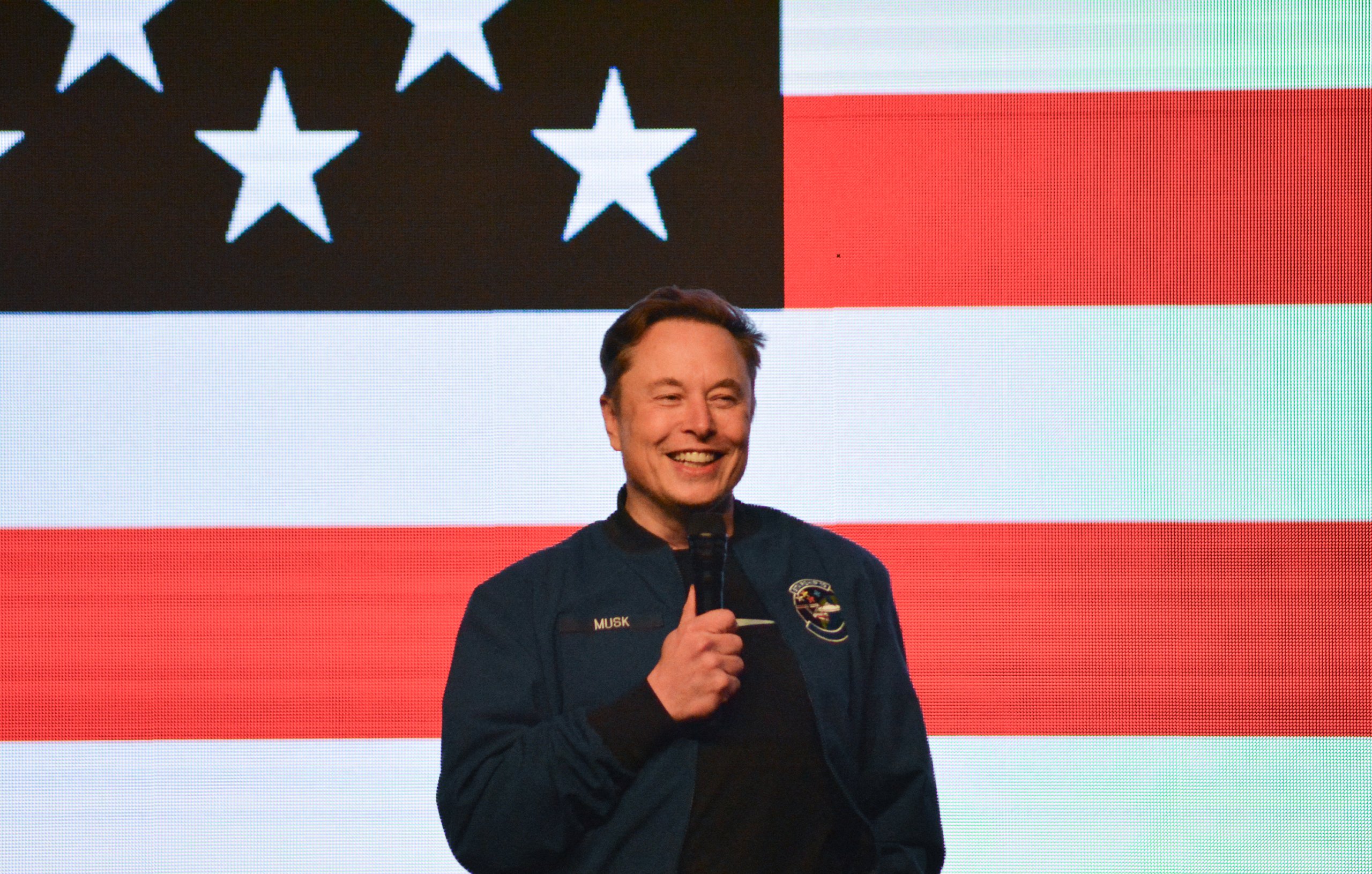
在 TechCrunch《Equity》播客的最新一期节目中,Kirsten Korosec、Sean O'Kane 和我探讨了中期选举对科技行业的意义。Sean 率先指出,埃隆·马斯克“似乎从向共和党捐赠 5 亿美元中基本一无所获”,而他的公司如今总部所在的州“令人惊讶地变得蓝得不能再蓝”。Kirsten 表示,虽然数据中心可能不是“蓝色浪潮”的主要成因,但它们已成为“一个日益自发的基层议题,部分原因在于超大规模运营商和公司推进项目审批的方式”。
On the latest episode of TechCrunch’s Equity podcast, Kirsten Korosec, Sean O’Kane, and I discussed what the midterms mean for the tech industry. Sean kicked it off by noting that Elon Musk “seems to have basically nothing out of donating half a billion dollars” to Republicans, while his companies are now headquartered “in a state that has, remarkably, turned about as blue as it could possibly turn.”And Kirsten said that while data centers probably weren’t the main cause of the “blue wave,” they’ve become an “an increasingly grassroots issue, in part because of how hyperscalers and companies have gone about” getting their projects approved.
如今,“我们已经看到 OpenAI 等公司突然表示,‘其实,我们可以改变政策’。”请继续阅读我们对话的预览,内容经编辑删减以求简明。
And now, “we’re already seeing companies like OpenAI all of a sudden go, ‘Actually, we can change our policies.’”Keep reading for a preview of our conversation, edited for length and clarity.
Sean O'Kane:首先,我们来谈谈一个最大的数据中心建设者同时也是共和党最大捐赠者这一事实。埃隆·马斯克似乎从捐赠 5 亿美元——等最终计数出来可能甚至更多——中基本一无所获,事实上他现在坐拥所有业务的州,令人惊讶地变得蓝得不能再蓝,这是很长一段时间以来,甚至可以说是有史以来第一次。
Sean O’Kane: First off, let’s talk about the fact that one of the biggest data center builders was also the largest donor to the Republican Party. Elon Musk seems to have gotten basically nothing out of donating half a billion dollars — maybe even more, by the time we see the final count — and in fact is now sitting there with all of his businesses in a state that has, remarkably, turned about as blue as it could possibly turn for the first time in a very long time, if ever.
我认为,这是悬在许多讨论上空的最大问题。但全国各地也有许多投票议案,本可为数据中心加快建设铺平道路。几乎所有这些议案都被否决了,或者说遭到了投票反对。[实际上,许多投票议案本将对数据中心实施限制或暂停令,而几乎所有这些议案都获得通过。] 在[民主党]掌权的情况下,科技界普遍认为,这意味着数据中心前面将有许多路障,尤其是在得克萨斯州等地,那里有像当选州长[吉娜]·伊诺霍萨这样的人物,她曾公开表示这是竞选承诺,也是她击败格雷格·阿博特上台后想要重点关注的事项。
That, I think, is the biggest thing hanging above a lot of this discussion. But, there were also a bunch of ballot measures up around the country that would have paved the way for data centers to get built faster. Almost all of them got shot down, or voted against. [Actually, many of the ballot measures would have imposed restrictions or moratoriums on data centers, and almost all of those measures passed.] With [Democrats] in power, there is a consensus view, at least in the tech world, that this is going to mean we have a lot of roadblocks ahead for data centers, especially in places like Texas, where [you have] folks like the governor-elect [Gina] Hinojosa, who has spoken pretty openly about this being a campaign promise and something that she wants to focus on once she takes power, now that she’s beaten Greg Abbott.
我认为这是科技界可能有点过度关注的事情。我想听听你们对此怎么看。
It’s the thing that I think the tech world is maybe a little focused on. I’m curious what you guys think about that.
安东尼·哈:我不一定认为他们过度关注,但我理解为什么会觉得有点失衡——数据中心投票议案当然不少,但并非到处都有此类议案上选票。
Anthony Ha: I don’t necessarily think that they’re too focused on it, but I understand why it would feel a little bit disproportionate — the data center ballot measures, certainly there were a number of them, but it wasn’t something that was on the ballot everywhere.
在不同的竞选中,动态可能略有不同,但存在这种潜流和感觉,似乎这是一个波及全国、在很大程度上跨党派的议题,只是民主党似乎更善于利用这种力量。当然,民主党周二大获全胜有各种原因,但反AI、尤其是反数据中心情绪似乎是其中很大一部分。这看起来是一股相当强劲的政治力量。
And in different races, the dynamic might have been a bit different, but there was this undercurrent and sense that it seems to be an issue that reaches across the country, that is bipartisan in a lot of ways, but that the Democrats seem to have been more effective at harnessing that energy. And of course, there’s all kinds of reasons why the Democrats did so well on Tuesday, but it does seem like anti-AI and especially anti-data center sentiment was a big part of it. That seems like a pretty potent political force.
未来两年,甚至可能更长时间,对科技公司总体而言,特别是对超大规模公司和数据中心公司来说,将更加艰难。我还想到,他们不得不担心:这会不会持续成为一个问题,不仅是今年当选的人会关注,甚至可能延续到2028年及以后?
The next two years, [and] potentially beyond that, are going to be more difficult for tech companies in general, and hyperscalers, data center companies in particular. I also imagine that they have to be a little bit worried about: Is this going to continue to be an issue, not just with the people who got elected this year, but potentially in 2028 and beyond?
科尔斯滕·科罗塞克:完全正确。我不认为数据中心问题是把所有人都带到投票站、并引发所谓“蓝潮”的原因。但我要说,数据中心已成为一个日益增长的草根议题,部分原因在于超大规模公司和企业推进数据中心审批的方式——极其隐秘,往往要求民选官员或委任官员签署保密协议,在环境极其敏感的地区(包括水资源短缺十分严重的西南部)不披露项目规模信息。
Kirsten Korosec: Absolutely. I don’t think that the data center issue is what brought everyone to the polls and led to the quote-unquote “blue wave.”However, I will say that data centers have been an increasingly grassroots issue, in part because of how hyperscalers and companies have gone about getting these data centers [approved] — very secretive, oftentimes requiring NDAs of a elected officials or appointed officials, not sharing information about the scale of a project in very environmentally sensitive areas, including in the Southwest, where there’s very much a water scarcity issue.
因此我认为,许多民众——共和党人、独立人士和民主党人——都认为这不对劲。他们因此受到激励,但我不认为这是唯一的议题。
So I think that a lot of folks — Republicans, independents, and Democrats — all saw this as wrong. They were motivated by it, but I don’t think it was a singular issue. Now, here’s the interesting thing.
现在,有趣的是,曾有大量言论声称AI公司不可能在其他任何情况下运营。而我们已经看到,像OpenAI这样的公司突然表示,“其实我们可以改变政策”。他们刚刚发布了所谓的“算力园区政策蓝图”。猜怎么着?他们不再要求签署保密协议了。他们将共享计划,并据称会减少保密运作。
There was a lot of waving of hands about how [AI companies] can’t possibly operate under any other circumstances. And we’re already seeing companies like OpenAI all of a sudden go, “Actually, we can change our policies.”They just released what they call a compute campus policy blueprint. And guess what? They’re not going to require NDAs anymore. They’re going to share their plans and supposedly operate in less secrecy.
我认为这表明,当你在市场上设定监管确定性,或者至少释放出朝那个方向发展的信号时,企业就会做出回应。如果你不这么做,它们不一定会做我们希望它们做的事。
I think what this shows is that when you put up either a regulatory certainty in the marketplace, or at least signals of going in that direction, then corporations will respond. If you don’t do that, they will not necessarily do the thing that we hope that they will do.
Anthony:我想强调的一点是,他们称之为“算力园区政策”。除了列出这些政策变化外,这也是试图给数据中心重塑品牌,因为“数据中心”这个词已经变得如此有毒。所以它们不再叫数据中心,而是叫算力园区,我很好奇,你们俩中有谁觉得这招管用。
Anthony: One thing I want to emphasize is that they’re calling it this [their] “compute campus policy.”And part of what that’s doing, beyond laying out these policy changes, is also an attempt to rebrand data centers, because they have become such a toxic phrase. So they’re not data centers anymore, they are compute campuses, and I’m curious, whether either of you think that’ll take.
Sean:我是说,这太荒谬了。拜托。这什么都改变不了。只会让他们多花力气。一家爱说自己不再搞“支线任务”的公司,OpenAI 依然热衷于往不同方向折腾。这只是最新一例,让人不禁要问:你们干嘛花时间搞这个?完全看不出能有什么实质推动。
Sean: I mean, this is ridiculous. Come on. It’s not going to change anything. It’s going to cause them more effort. For a company that likes to say that it’s no longer focused on side quests, OpenAI still loves to go in different directions a lot. And this is just the latest kind of thing where it’s just like: Why are you spending time on this at all? It doesn’t really seem like it’s going to move the needle.
Kirsten:我给 OpenAI 个绝妙主意。秉承“把威胁性的东西包装得可爱”的精神,他们百分之百应该搞个“算力园区”吉祥物,弄个卖萌的形象,然后拿那个出来代替那个耗电、耗能、耗水的数据中心。
Kirsten: I have a great idea for OpenAI. Because in the spirit of making threatening things seem cute, they should 100% create a compute campuses avatar, [a] cutesy thing, and then just present that instead of a power-, energy-sucking, water-sucking data center.
Anthony:要是这些只是可爱的算力园区,他们干脆把自己的办公室建在那里,或者在隔壁办公,看看对他们行不行得通。
Anthony: And if these are just lovely compute campuses, they should just build their own offices there or work next door, see how that works out for them.
另一件我琢磨的事是,大选会不会是“组合拳”的第二拳。我们刚看到华尔街对这些超大规模厂商和 AI 公司的反应发生重大转变,投资者对“他们应该花大钱建新数据中心、花大钱搞算力”这套说辞不买账了。所以现在有财务动机不建那么多数据中心。
Something else that I’m wondering about is, to what extent the election is maybe the second part of a one-two punch. [We’ve just seen] a big shift in how Wall Street is reacting to a lot of these hyperscalers and AI companies and this sense that [investors] are not excited about the idea that they should be spending all this money building new data centers, spending all this money on compute. And so there’s a financial incentive not to build all these data centers.
我非常好奇这将如何发展。[从监管角度来看,]建设数据中心可能会更难。华尔街可能不会因为你建设数据中心而给予奖励。但与此同时,要达到他们想要达到的规模,他们可能需要在某处建设数据中心。
I’m very curious how that’s going to play out. [From a regulatory standpoint,] it’s probably going to be harder to build data centers. Wall Street is probably not going to reward you for building data centers. But at the same time, to get to the scale that they want to get to, they are probably going to need to build data centers somewhere.