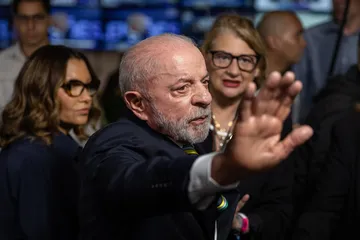
巴西总统路易斯·伊纳西奥·卢拉·达席尔瓦的经济团队正准备在下周前向国会提交提案,旨在向投资者展示其政府打算如何在未来几年实现财政目标,知情人士透露。
Luiz Inácio Lula da Silva’s economic team is preparing to send proposals to Congress by next week aimed at showing investors how his government intends to meet fiscal targets in the coming years, according to people familiar with the matter.
一名知情人士称,官员们一直在与立法者讨论一揽子支出限制方案,到2027年与今年预算相比,调整幅度可能在500亿雷亚尔至600亿雷亚尔(约合107亿美元)之间。该人士因谈判属私密性质,要求不具名。
Officials have been discussing a package of spending restraints with lawmakers that could amount to an adjustment of between 50 billion reais and 60 billion reais ($10.7 billion) in 2027 compared to this year’s budget, one person said, asking not to be identified because the talks are private.
该人士表示,这些措施旨在让政府在财政目标面临风险时拥有更多冻结支出的空间。方案的另一部分将阻止非常规收入自动增加宪法规定的医疗和教育最低支出。
The measures are designed to give the government more room to freeze spending if fiscal targets are at risk, the person said. Another part of the package would prevent extraordinary revenue from automatically increasing constitutionally mandated minimum spending on health and education.
该人士称,类似机制已适用于政府出现初级赤字的年份,官员们正考虑将其延伸至政府出现盈余的情况。
A similar mechanism already applies for years when the government runs a primary deficit, and officials are considering extending it to when the government posts a surplus, the person said.
知情人士透露,总统经济团队成员近日已与立法者讨论了这些提案。卢拉获建议迅速行动,以安抚金融市场,因其意外连任震动了本指望新政府带来经济政策变化的投资者。财政部在正常工作时间外发出的置评请求未立即回复。
Members of the president’s economic team have discussed the proposals with lawmakers in recent days, according to the people. Lula has been advised to move quickly to reassure financial markets after his surprise reelection rattled investors who expected a change in economic policy under a new administration. The finance ministry didn’t immediately respond to a request for comment sent outside normal business hours.
卢拉连任打破了投资者的希望,他们原期待领导层更替能带来更严格的支出限制,并帮助央行将通胀降至3%的目标。这位81岁的左翼领导人在竞选期间通过一系列刺激措施增加了支出,加剧了人们对其新任期内财政政策可能保持宽松的担忧。
Lula’s reelection dashed investor hopes that a change in leadership would usher in greater spending restraint and help the central bank lower inflation to its 3% target. The 81-year-old leftist increased expenditures through a series of stimulus measures during his campaign, fueling concerns that fiscal policy could remain loose during his new term.
据知情人士透露,卢拉还被建议尽快宣布谁将领导下一届政府的经济团队。他决定让现任团队提前与国会就财政方案进行谈判,这加强了外界的预期,即在他明年1月5日开始新任期时,经济政策和人事安排可能会有相当大的延续性。
Lula has also been advised to quickly announce who will lead his economic team in the next administration, according to the people. His decision to allow the current team advance negotiations over the fiscal package with Congress is reinforcing expectations that there may be significant continuity in economic policy and personnel when his new term begins on Jan. 5.
这场讨论正值卢拉及其顾问权衡如何在不重蹈前总统迪尔玛·罗塞夫覆辙的情况下,多快收紧财政政策。盟友认为,罗塞夫在2014年连任后突然拥抱紧缩政策是一个错误。目前讨论的方案主张逐步调整,目标是在卢拉下一个四年任期结束时,实现不含利息支出的初级预算盈余占国内生产总值(GDP)的1.5%。
The debate comes as Lula and his advisers weigh how quickly to tighten fiscal policy without repeating what allies view as the mistakes of former President Dilma Rousseff, who abruptly embraced austerity after winning reelection in 2014. The approach under discussion instead calls for a gradual adjustment aimed at delivering a primary budget surplus of 1.5% of gross domestic product excluding interest payments by the end of Lula’s next four-year term.
随着巴西名义预算赤字徘徊在GDP的10%左右,公共债务攀升至创纪录水平,投资者正施压要求采取具体措施。大选以来市场情绪恶化,增加了卢拉证明其下一届政府能够在保持社会和投资优先事项的同时,稳定债务轨迹的压力。
Investors are pressing for concrete measures as Brazil’s nominal budget deficit hovers near 10% of GDP and public debt climbs to a record. The deterioration in market sentiment since the election has increased pressure on Lula to demonstrate that his next government will be able to stabilize the debt trajectory while preserving social and investment priorities.
如果经济状况恶化,实现这些目标可能会变得更加困难。高油价可能会使政府逐步取消每月耗资约150亿雷亚尔的燃油补贴的努力变得复杂,而经济增长放缓可能会拖累税收收入,使财政目标更难实现。
Meeting those goals may become more difficult if economic conditions deteriorate. High oil prices could complicate efforts to unwind fuel subsidies that are costing the government about 15 billion reais a month, while slower economic growth could weigh on tax revenue and make the fiscal targets harder to achieve.