孟加拉国加济布尔:每天黎明前,服装工人希尔皮·哈图恩都在柴火烧制的泥炉上做饭,因为她的家里买不起天然气。随后,她前往位于达卡市郊工业枢纽加济布尔的一家工厂上班。
GAZIPUR, Bangladesh: Before dawn each day, garment worker Shilpi Khatun cooks over a wood-fired clay stove because her family cannot afford gas, before heading to a factory in Gazipur, an industrial hub on the outskirts of Dhaka.
现年27岁的她是家里的唯一顶梁柱。她的丈夫失业,父母和公公婆婆也依靠她的工资生活。
The 27-year-old is the sole breadwinner in a household where her husband is unemployed and her parents and in-laws depend on her wages.
尽管在服装行业工作了五年,但物价上涨让哈图恩难以负担基本生活必需品。孟加拉国的数千名服装工人也有同感,他们在上周举行抗议,要求将最低月薪从1.25万塔卡提高到3万塔卡(合242.82美元)。
Rising prices have left Khatun struggling to afford basic necessities despite five years in the garment industry, a frustration shared by thousands of Bangladesh's garment workers who staged protests last week demanding the minimum monthly wage be raised to 30,000 taka (US$242.82) from 12,500 taka.
哈图恩在住所外收集绿叶蔬菜,准备中午就着米饭吃。她说道:“现在什么都贵了。房租翻了一番,食物更贵了,我赚的钱还没到月底就花光了。”
"Everything costs more now. Rent has doubled, food is more expensive and whatever I earn disappears before the month is over," Khatun said as she gathered leafy greens outside her home to eat with rice for lunch.
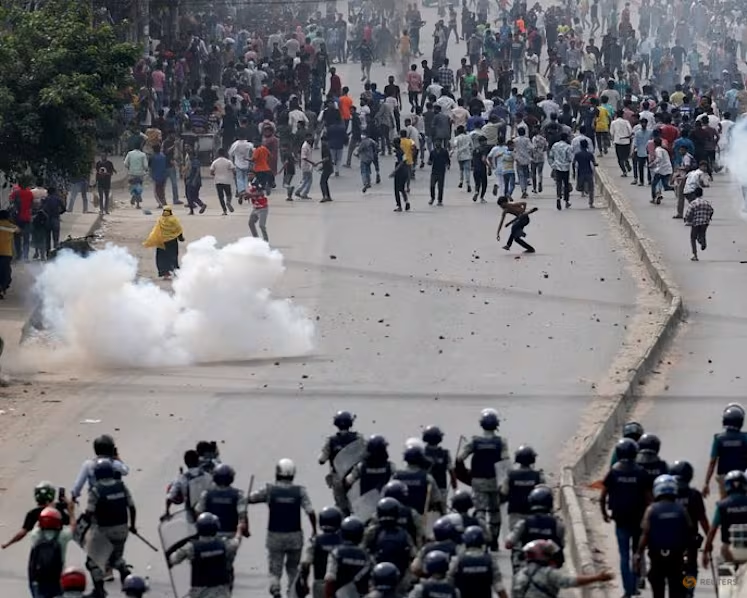
2026年11月4日,孟加拉国加济布尔,要求提高工资的服装工人与警察发生冲突后,示威者在警察发射催泪瓦斯弹产生的滚滚浓烟中奔跑。
Demonstrators run as smoke billows from tear gas shells fired by police following a clash between the police and garment workers protesting for higher wages, in Gazipur, Bangladesh, on Nov 4, 2026.
工资压力不断加剧 上周的动荡(其中一些带有暴力色彩)迫使数百家工厂停工,当时工人举行抗议,并与使用催泪瓦斯和声响手雷驱散示威者的警察发生冲突。
WAGE PRESSURE MOUNTS Last week's unrest, some of it violent, forced hundreds of factories to shut down as workers staged protests and clashed with police, who used tear gas and sound grenades to disperse demonstrators.
政府薪酬委员会于11月4日同意自12月起实施修订后的薪酬结构,工人预计将在1月领到新工资标准下的第一笔薪水,但该委员会尚未确定涨幅的大小。
The government's wage board agreed on Nov 4 to implement a revised wage structure from December, with workers set to receive their first pay under the new scale in January, but has yet to determine the size of the increase.
低廉的劳动力成本使孟加拉国成为仅次于中国的全球第二大服装出口国,也是H&M、Zara、Gap、Primark和沃尔玛等全球品牌的首选制造基地。该行业创造了该国80%以上的出口收入,并雇用了400多万名员工。
Low labour costs have helped make Bangladesh the world's second-largest apparel exporter after China and a preferred manufacturing base for global brands including H&M, Zara, Gap, Primark and Walmart. The industry generates more than 80 per cent of the country's export earnings and employs more than 4 million people.
然而,制造商表示,大幅加薪将侵蚀孟加拉国相对于印度和越南等竞争对手的成本优势,并进一步挤压本已因能源成本上升而承受压力的利润空间。
Manufacturers, however, say a steep wage increase would erode Bangladesh's cost advantage over rivals such as India and Vietnam and further squeeze margins already under pressure from higher energy costs.
制造商表示,除了基本工资外,工人还享受9%的年度加薪和两次节日奖金,并辩称大幅加薪的空间有限。
Workers also receive a 9 per cent annual increment and two festival bonuses in addition to their basic wages, manufacturers say, arguing there is limited room for substantial pay increases.
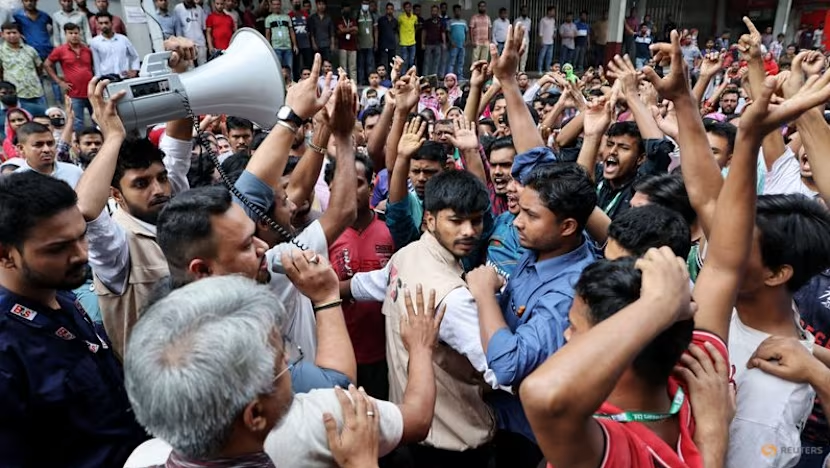
2026年11月4日,孟加拉国达卡米尔布尔,服装工人在一家工厂外与安全部队争论,抗议并要求提高工资。
Garment workers exchange words with security forces outside a factory as they protest demanding higher wages in Mirpur, Dhaka, Bangladesh, on Nov 4, 2026.
工人面临艰难抉择 像哈图恩这样的工人表示,工资上涨跟不上物价上涨的步伐,迫使他们在日常开销上做出艰难的选择。
WORKERS MAKE STARK CHOICES Workers like Khatun say the wage increase has not kept pace with rising prices, forcing them to make difficult choices over everyday spending.
她说,在最艰难的日子里,哈图恩一家靠吃膨化米度日。坐在她和丈夫合住的铁皮小房间里,她表示尽管健康状况恶化,但她已经三年没看医生了。
On the hardest days, Khatun's family survives on puffed rice, she said. Sitting in the small tin-shed room she shares with her husband, she said she had not seen a doctor in three years despite worsening health problems.
五年来,她的薪水虽然有所上涨,但仍不足以跟上不断上涨的成本。她现在的收入为1.35万塔卡(合108美元),高于刚入行时的9000塔卡。她说,加上加班费,她大约能挣1.6万塔卡,但这笔钱很少能撑到下一个发薪日。
Her salary has crept up over five years but not enough to match rising costs. She now earns 13,500 taka (US$108), up from 9,000 taka when she started. With overtime, she earns about 16,000 taka, but the money rarely lasts until the next payday, she said.
自2022年以来,孟加拉国一直面临着持续的生活成本紧缩,通货膨胀率平均在9%左右。食品价格最初推动了这波涨幅,但非食品成本依然居高不下。
Bangladesh has faced a prolonged cost-of-living squeeze since 2022, with inflation averaging around 9 per cent. Food prices initially drove the surge, but non-food costs have remained high.
“我买任何东西前都要三思,甚至是食物,”达卡市郊阿什利亚一家工厂29岁的缝纫工罗克萨娜·帕尔文说道。“我知道我的女儿们应该吃得更好,但我实在是买不起。”帕尔文和她的两个女儿通常只能靠米饭和蔬菜度日,肉和鱼已成为她们无法企及的奢侈品。为了削减开支,她的一个女儿被迫辍学。
"I think twice before buying anything, even food," said Roksana Parveen, a 29-year old sewing operator in a factory in Ashulia on the outskirts of Dhaka. "I know my daughters should be eating better, but I just can't afford it." Parveen and her two daughters often live on little more than rice and vegetables, with meat and fish becoming luxuries beyond their reach. To cut costs, one of her daughters dropped out of school.