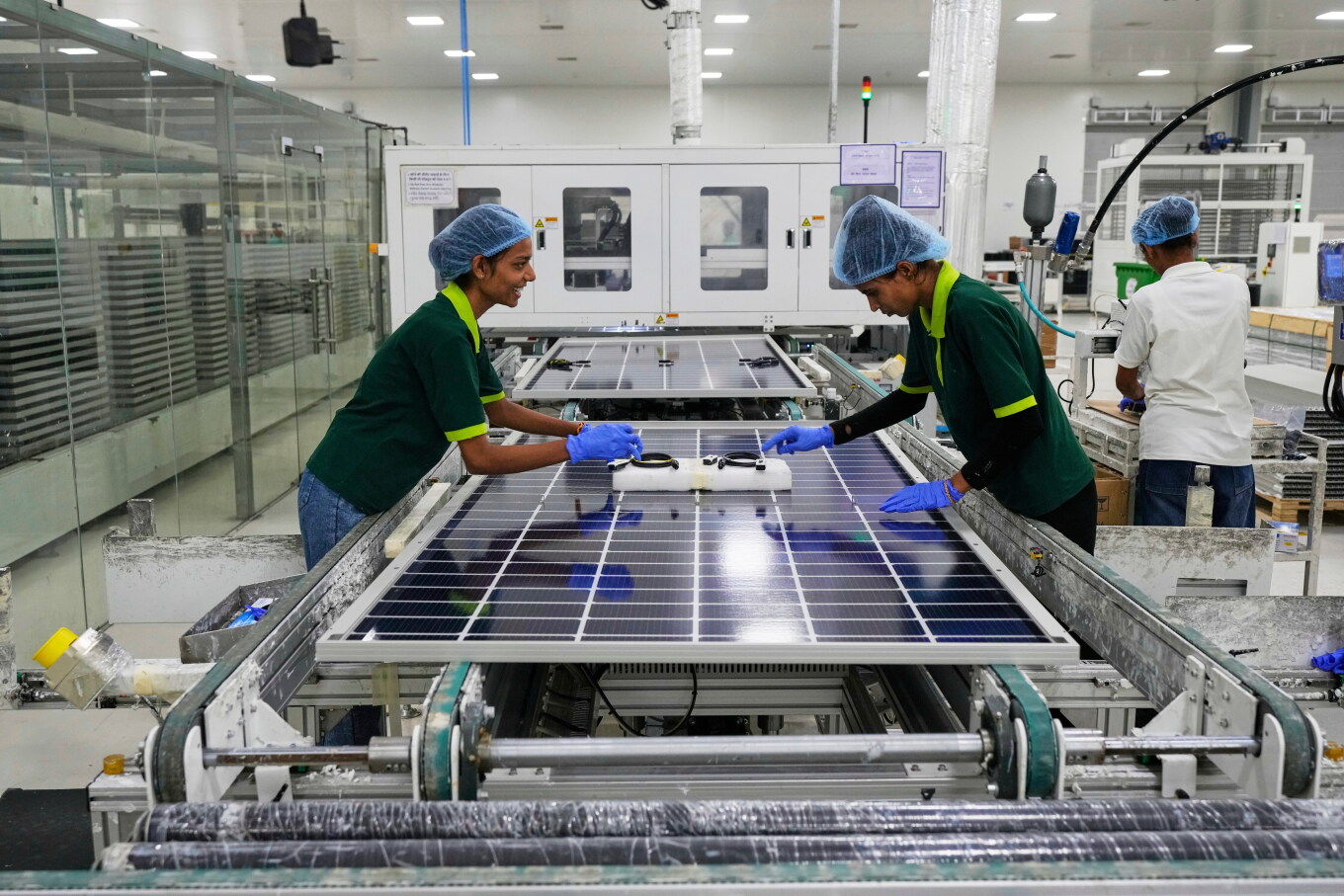
联合国气候谈判正在进行之际,印度设定了一个雄心勃勃的目标,即到2035年安装足以供应10多亿户家庭使用的清洁电力,并批准了近200亿美元的电网升级资金,以缓解阻碍部分太阳能和风能输送到消费者的瓶颈。
SIBI ARASU BENGALURU, India — With the United Nations climate talks underway, India has set an ambitious goal of installing enough clean power to supply more than 1 billion homes by 2035, and has approved nearly $20 billion in power grid upgrades to ease bottlenecks that prevent some solar and wind energy from reaching consumers.
作为世界人口最多的国家和最大的碳排放国之一,印度也是扩大清洁电力最快的国家之一。加速摆脱化石燃料是今年在土耳其举行的气候谈判(即COP31)的关键目标之一。
The world’s most populous country and one of the biggest carbon polluters is also among the fastest to expand clean power. Accelerating the shift away from fossil fuels is a key goal of this year’s climate talks, known as COP31, in Turkey.
印度在9月下旬宣布了900吉瓦的目标。该目标涵盖非化石能源,包括太阳能、风能、水电和核能。这几乎是印度现有目标(到2030年实现500吉瓦清洁电力)的两倍。印度目前的清洁电力装机容量略超过300吉瓦,仅次于中国和美国,位居世界第三。
India announced the 900-gigawatt goal in late September. It covers nonfossil power sources, including solar, wind, hydropower and nuclear energy. It is nearly twice India’s existing target of 500 gigawatts of clean power by 2030. India’s current clean power capacity of just over 300 gigawatts ranks it third behind China and the United States.
专家表示,实现这一目标可能会降低电力成本,抑制煤电建设,并加速向清洁能源的转型。
Experts say meeting the target could lower electricity costs, curb coal construction and accelerate the transition to clean energy.
这一推动之际,印度正面临输电基础设施不足,无法使用其能产生的所有可再生能源电力的问题。新目标指的是装机发电容量,而非实际产生的电力量。
The push comes as India struggles to use all the renewable electricity it can generate because of inadequate transmission infrastructure . The new goal refers to installed generating capacity, rather than the amount of electricity actually produced.
“如果电网跟不上,印度就无法实现这一目标,”加州大学伯克利分校印度能源与气候中心的尼基特·阿比扬卡尔说。“一个强大且创新的输电网络是绝对必要的。”政府还根据其“绿色能源走廊”计划,批准了近200亿美元的输电基础设施和电池储能资金。
“If the grid doesn’t catch up, then there is no way India can meet this target,” Nikit Abhyankar from the India Energy and Climate Center at the University of California, Berkeley, said. “A robust and innovative transmission grid is an absolute must.”The government also approved nearly $20 billion in funding for transmission infrastructure and battery storage under its Green Energy Corridor plan.
总部位于孟买的XKDR论坛经济学家阿杰·沙将这一转型描述为印度“电力国家”的出现,即电力日益取代煤炭和石油产品。
Economist Ajay Shah of the Mumbai-based XKDR Forum described the transition as the emergence of an Indian “electrostate,” in which electricity increasingly replaces coal and petroleum products.
“现在印度拥有两大资产——不仅劳动力便宜,能源也便宜,”沙阿说。
“So now in India you have two assets — not only do you have cheap labor, you also have cheap energy,” Shah said.
这一转变反映了全球向清洁电力转型的趋势,即使在电力需求上升的背景下,化石燃料能源仍是关键能源。巴西在清洁能源装机容量方面紧随印度之后,预计未来十年可再生能源将提供其近90%的电力,即使该国正在扩大石油和天然气产量。在美国,总统唐纳德·特朗普支持化石燃料,电力需求预计将增长40%,天然气仍将是主要能源。
The shift mirrors a global trend toward cleaner power, even as fossil fuel energy remains a key energy source amid rising electricity demand. Brazil, which ranks close behind India in clean energy capacity, projects renewables will supply nearly 90% of its electricity in the next decade, even as it expands oil and gas production. In the United States, where President Donald Trump supports fossil fuels, electricity demand is expected to grow by 40%, with natural gas remaining a major source.
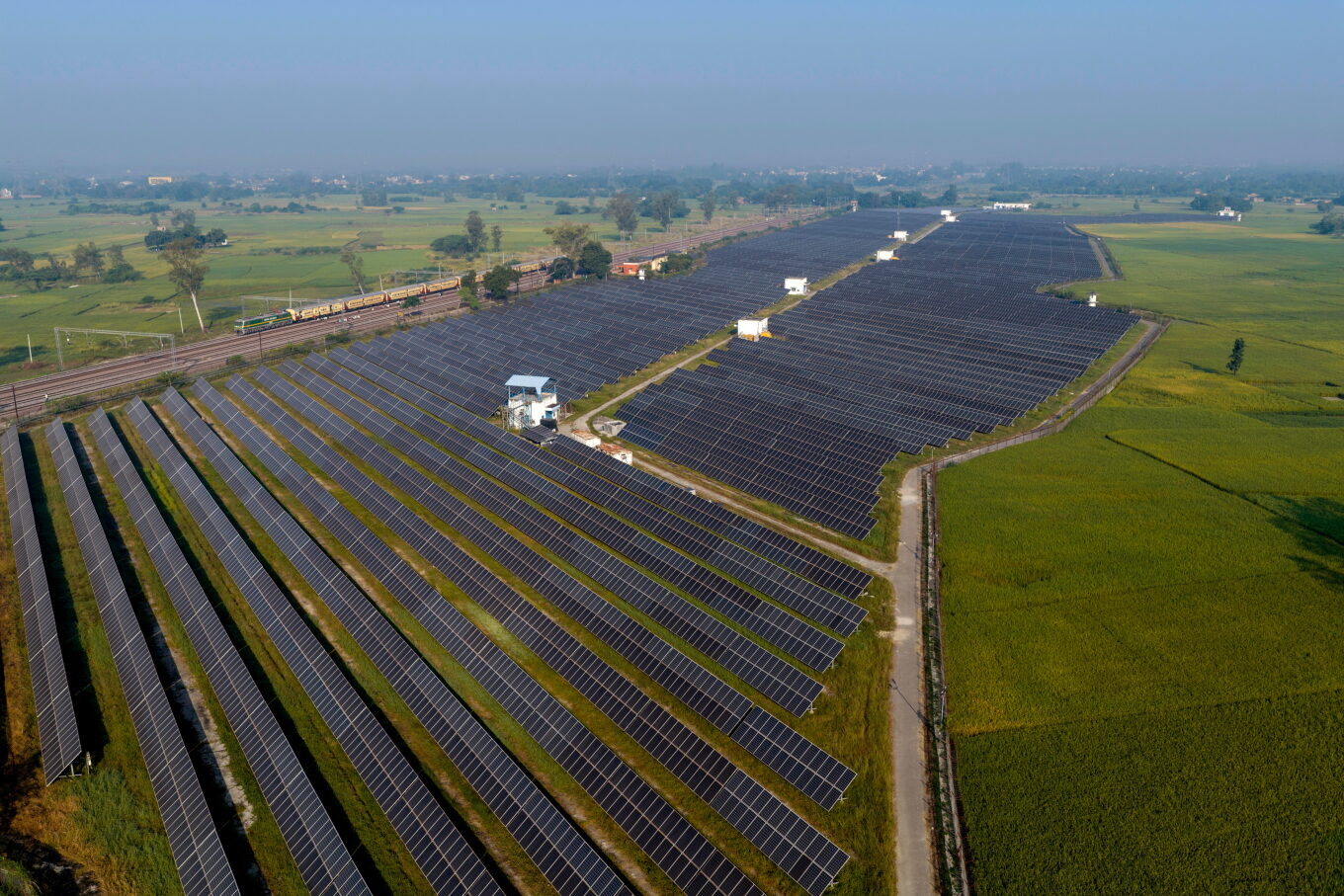
印度的清洁能源扩张可能帮助工业用本国生产的电力取代昂贵的进口化石燃料。阿比扬卡尔表示,太阳能和风能,即使加上电池储能,也越来越具有与煤炭、石油和天然气发电相竞争的成本优势。
India’s clean energy expansion could help industries replace costly imported fossil fuels with domestically produced electricity. Abhyankar said solar and wind power, even when combined with battery storage, are increasingly cost-competitive with power from coal, oil and natural gas.
发电成本降低最终可能转化为家庭更便宜的电力,不过公用事业公司也会考虑输电成本和其他开支。
Lower generation costs could eventually translate into cheaper electricity for households, though utilities also factor in transmission costs and other expenses.
然而,印度对煤炭的持续依赖对其清洁能源转型构成重大挑战。据能源智库Ember称,2025年煤炭产生了该国约71%的电力。
However, India’s continued dependence on coal presents a major challenge to its clean energy transition. Coal generated about 71% of the country’s electricity in 2025, according to energy think tank Ember.
印度电力规划者仍担心如何满足不断增长的需求,并在太阳能和风能输出波动时保持电力供应可靠。中央电力管理局主席甘希亚姆·普拉萨德本月早些时候表示,印度到2035年可能需要多达150吉瓦的额外燃煤发电装机容量。
India’s power planners remain concerned about meeting growing demand and maintaining reliable electricity when solar and wind output fluctuates. Ghanshyam Prasad, chair of the Central Electricity Authority, said earlier this month that India could need as much as 150 gigawatts of additional coal-fired generating capacity by 2035.
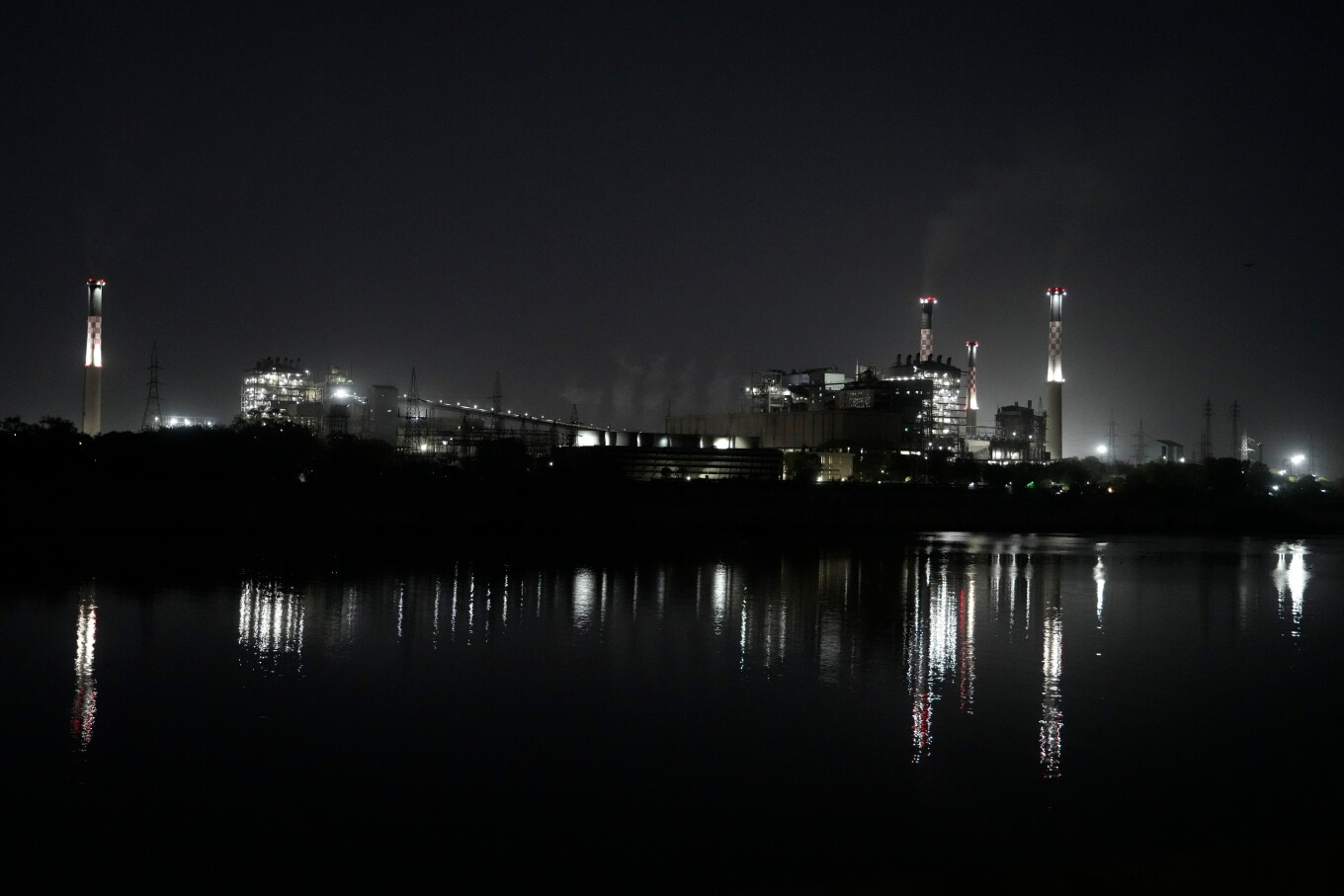
Ember能源分析师内什温·罗德里格斯表示,煤炭在未来几年仍将至关重要,特别是在大规模电池能够储存太阳能、在阳光不足时可靠满足需求之前。
Ember energy analyst Neshwin Rodrigues said coal will remain important for years, particularly until large-scale batteries can store solar energy to reliably meet demand when the sun isn’t shining.
现有的燃煤电厂也带来运营挑战。许多电厂无法在可再生能源电力可用时迅速削减产出,这使得电网难以容纳不断增长的太阳能和风电。
Existing coal plants also pose operational challenges. Many cannot quickly reduce output when renewable electricity becomes available, making it difficult for the grid to accommodate growing solar and wind power.
伯克利研究人员估计,在已有约35吉瓦煤电产能在建的情况下,按照该国新的清洁能源目标,额外建设燃煤电厂在经济上并非必要。伯克利的Abhyankar警告称,如果政府实现其可再生能源目标,新建的燃煤电厂可能会成为搁浅资产。
Researchers at Berkeley estimate that beyond approximately 35 gigawatts of coal capacity already under construction, additional coal plants would not be economically necessary under the country’s new clean energy goals. Berkeley’s Abhyankar warned that newly built coal plants could become stranded assets if the government meets its renewable energy targets.
要实现2035年的目标,仅建设更多可再生能源发电厂是不够的。这些电厂的电力还必须能够输送到消费者手中。
Meeting the 2035 target requires more than building more renewable power plants. Their electricity must be able to reach consumers.
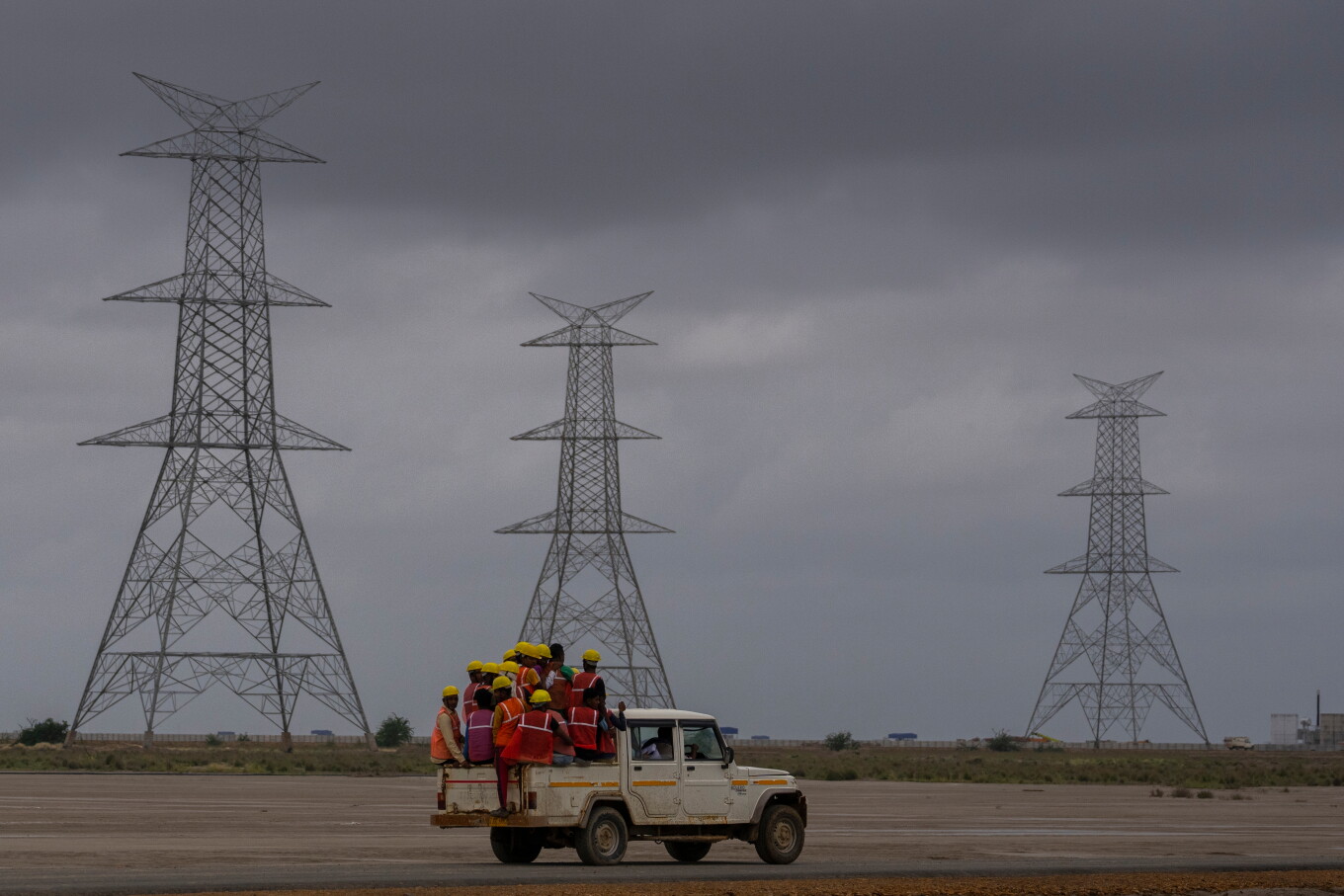
印度快速扩张的清洁能源已经在考验电网的极限。政府数据显示,截至9月,清洁电力占装机电力容量的55%,但在之前的三个月里,其发电量约占该国总发电量的三分之一。
India’s rapid clean energy expansion is already testing the grid’s limits. Although clean power accounted for 55% of installed power capacity by September, it generated about a third of the country’s electricity in the preceding three months, according to government data.
根据政府数据和Ember的数据,在过去16个月里,印度削减了足够供约1000万户家庭使用的太阳能发电量,原因是电网无法容纳这些电力。
Over the past 16 months, India curtailed enough solar generation to power about 10 million homes because the grid could not accommodate it, according to government data and Ember.
绿色能源走廊计划旨在通过新增数千公里(英里)输电线路,帮助各邦到2033年容纳多达135吉瓦的可再生能源。该计划还包括额外的电池储能。
The Green Energy Corridor plan aims to help states accommodate up to 135 gigawatts of renewable energy by 2033 by adding thousands of kilometers (miles) of transmission lines. The plan also includes additional battery storage.
但分析人士质疑这是否足够。伯克利研究人员估计,印度在未来十年内整合可再生能源电力,可能需要多达250吉瓦的储能。
But analysts question whether that’s enough. The Berkeley researchers estimate that India needs as much as 250 gigawatts of energy storage to integrate renewable electricity over the next decade.
“你要么有更多输电线路将电力输出并传输,要么如果无法输出电力,就将其储存起来,然后在其他时段传输,”Ember的Rodrigues说。
“You either have more transmission to get the power out and transfer it. Or if you cannot get the power out, you store it and then transfer it during some other hours,” Ember’s Rodrigues said.
经济学家沙阿表示,两种政府政策可能会阻碍对可再生能源的投资:一是要求企业支付更高费率以补贴其他消费者,二是限制电力生产商直接向私人买方出售电力。
Shah, the economist, said two types of government policy could discourage investment in renewable energy: requirements that businesses pay higher rates to subsidize other consumers, and restrictions on electricity producers selling directly to private buyers.
他说,印度需要让电价根据供需关系上下浮动,并使外国投资者更容易为电力项目提供资金。他说,仅靠国内融资不足以满足该国不断增长的能源需求。
He said India needs to allow electricity prices to rise and fall based on supply and demand, and make it easier for foreign investors to fund power projects. Domestic financing alone would not be enough to meet the country’s growing energy needs, he said.
沙阿说:“目前,政府是中间人,试图干预私人发电商与私人买方之间的交易”,这造成了一个“瓶颈”。
“Currently, the government is a man in the middle, trying to interfere in a transaction between a private generator and a private buyer,” which creates a “choke point,” Shah said.
电池供应链构成另一个挑战,尤其是印度对进口电池电芯的依赖,这些电芯主要来自中国。阿比扬卡尔表示,扩大国内电池制造业可能有助于印度从能源转型中获取更多经济利益。
Battery supply chains pose another challenge, particularly India’s dependence on imported battery cells, mainly from China. Abhyankar said expanding domestic battery manufacturing could help India capture more economic benefits from the transition.
尽管存在这些挑战,阿比扬卡尔表示,印度在年度可再生能源增长方面已经超过了美国,其扩大清洁能源的经验可能成为其他发展中国家的典范。
Despite those challenges, Abhyankar said India has already overtaken the United States in annual renewable energy growth, and its experience in expanding clean energy could be a model for other developing countries.
他说:“印度所做的可以在许多全球南方国家复制,并可以帮助这些国家以经济上可负担的方式实现能源转型。”
“What India is doing can be replicated in many countries in the Global South and can help these countries make the energy transition in an economically affordable manner,” he said.
西比·阿拉苏可在 X 上关注 @sibi123 。联系他请发邮件至 sarasu@ap.org。
Sibi Arasu can be followed on X at @sibi123 . Reach him at sarasu@ap.org.