伊莎贝尔·德布雷 布宜诺斯艾利斯,阿根廷 —— 大批年轻阿根廷人涌入布宜诺斯艾利斯的公园,这正是天主教领袖曾担心正在离弃教堂长椅的一代人。当教皇利奥十四世承诺建设一个面向“所有人、所有人、所有人”的教会时,人群欢呼雀跃,仿佛置身演唱会现场。
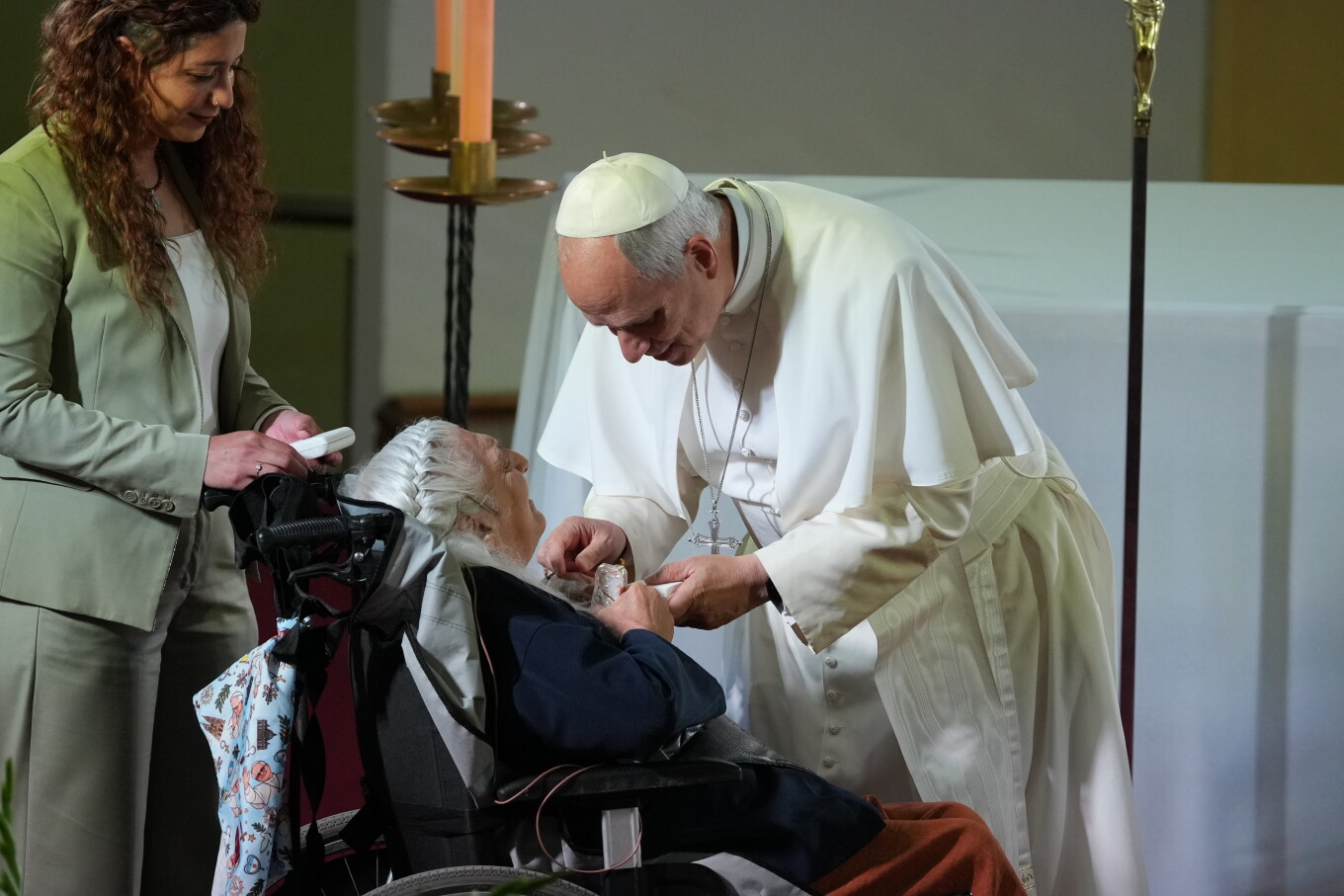
ISABEL DEBRE BUENOS AIRES, Argentina — Vast crowds of young Argentines , a generation that Catholic leaders had feared was abandoning the pews, packed the parks of Buenos Aires and cheered as if at a concert when Pope Leo XIV promised a church open to “todos, todos, todos” — everyone, everyone, everyone.
这些话语,正如利奥此行中所有最能赢得掌声的金句一样,都属于他的阿根廷前任教皇方济各。本周的大部分崇敬之情也是如此。
Those words, like all of Leo’s surest applause lines during the visit, belonged to his Argentine predecessor, Pope Francis . So did much of the week’s adulation.
方济各对弱势群体的坚决捍卫,使他在国际上成为一道道德声音,却也让他长期陷入国内的政治斗争之中 —— 许多人认为,正是这些争议阻碍了他以教皇身份回国。在方济各去世一年多后,作风更为稳健的利奥完成了方济各未能实现的回国之旅,延续其遗产,帮助阿根廷人接纳这位曾极具争议的教皇,将其视为一位团结国家的象征性人物。
Francis’ fierce defense of the downtrodden made him a moral voice abroad but long embroiled him in political fights at home — controversy that many believe deterred him from returning as pope. More than a year after his death , the more measured Leo made the homecoming Francis never could, carrying on his legacy and helping Argentines embrace their once-polarizing pope as a unifying national figure.
阿根廷国家科学与技术研究委员会(Conicet)社会学家巴勃罗·福尔尼表示:“仿佛大家终于明白,方济各留下了极其重要的遗产,不仅对阿根廷,也对普世教会。利奥正在收获方济各播种的果实。” 欢迎利奥的广告牌上印着方济各的面孔。朝圣者挥舞着写有“方济各与利奥,同一颗心”的标语。甚至连曾辱骂方济各为“地球上邪恶的代表”的自由意志主义总统哈维尔·米莱,也在利奥的欢迎仪式上称方济各为“历史上最重要的阿根廷人”,令满堂的政治盟友与对手齐声起立鼓掌。
“It’s as though it has finally become clear that Francis left a very important legacy, not just for Argentina but for the universal church,” said Pablo Forni, a sociologist at Argentina’s national research council, Conicet. “Leo is reaping what Francis sowed.”Billboards welcoming Leo bore Francis’ face. Pilgrims waved signs declaring “Francisco y León, un solo corazón” — Francis and Leo, one heart. Even libertarian President Javier Milei , who once insulted Francis as “the representative of evil on earth,” declared Francis “the most important Argentine in history” at Leo’s welcome ceremony , bringing a packed hall of his political allies and foes to its feet.
担任布宜诺斯艾利斯总主教期间,方济各——当时名为豪尔赫·马里奥·贝尔格里奥——在阿根廷2001年经济危机爆发时动员教会力量,派遣神父深入贫民窟,开设施粥所、学校和戒毒中心,填补国家公共服务撤退留下的空白。但他对穷人的关怀并未使他成为庇隆主义的天然盟友,这一长期占主导地位的民粹主义运动强调社会正义。他指责庇隆主义领导人傲慢自大,并因同性婚姻问题与他们发生冲突。
As archbishop of Buenos Aires, Francis — then Jorge Mario Bergoglio — mobilized the church during Argentina’s 2001 economic crisis , sending priests into the slums and opening soup kitchens, schools and drug rehab centers as state services receded. But his concern for the poor did not make him a natural ally of Peronism, the long-dominant populist movement emphasizing social justice. He accused its leaders of arrogance and clashed with them over same-sex marriage .
然而,方济各移居罗马出任教宗后,庇隆主义者却成为他的一些最大拥趸,认为他在抨制不受约束的资本主义、伸援边缘群体等方面体现了他们的优先事项。这种亲和力激怒了保守派,后者指责庇隆主义毁了阿根廷经济、主管了猖獗的腐败。无论方济各如何努力超脱于派系斗争之外,即便是他最细微的举动——在右倾总统毛里西奥·马克里身旁板着脸、与左倾总统克里斯蒂娜·费尔南德斯·德基什内尔轻松共进午餐——都被解读为其政治同情心的铁证。
Yet once Francis moved to Rome as pontiff, Peronists became some of his biggest fans, seeing their priorities reflected in his criticism of unbridled capitalism and his outreach to the marginalized. That affinity infuriated conservatives, who blame Peronism for ruining Argentina’s economy and presiding over rampant corruption. However hard Francis tried to stay above the fray, even his smallest gestures — a dour expression beside right-leaning President Mauricio Macri , a relaxed lunch with left-leaning President Cristina Fernández de Kirchner — were read as proof of his political sympathies.
回国将意味着踏入雷区。方济各担任教宗期间访问了60多个国家,其中包括阿根廷五个邻国中的四个,但始终未曾回国,尽管先后四任总统都曾发出邀请。
A homecoming would have meant treading a minefield. Francis visited more than 60 countries as pope, including four of Argentina’s five neighbors, but never returned home, despite invitations from four successive presidents.
“起初许多人因阿根廷人当选教宗而欣喜若狂。但一旦听到他的批评,他们就不再那么爱他了,”洛伦佐·德维迪亚神父(人称托托神父)说,他是所谓“贫民窟神父”之一,曾在首都非正规定居点辅佐贝尔格里奥工作。“他被视为一个有党派倾向的教宗。”被方济各激怒的不止阿根廷人。他直率、不拘一格的教宗任期在全球天主教徒中造成分裂。
“At first many people were thrilled to see an Argentine elected pope. But once they heard his criticism, they stopped loving him quite so much,” said the Rev. Lorenzo de Vedia, known as Padre Toto, one of the so-called slum priests who worked under Bergoglio in the capital’s informal settlements. “He became seen as a partisan pope.”Argentines weren’t the only ones Francis provoked. His blunt, freewheeling papacy divided Catholics worldwide.
他指责梵蒂冈官员患有“精神阿尔茨海默症”,称来自美国保守派的攻击“是一种荣誉”。他因开启长期以来的禁忌辩题让进步派欣喜,又因在教义变革问题上退缩让他们失望。
He accused Vatican officials of “spiritual Alzheimer’s” and called attacks from American conservatives “an honor.”He delighted progressives by opening long-taboo debates, then disappointed them by balking at doctrinal change.
教会领导人表示,如今利奥——这位出生于芝加哥、曾是秘鲁传教士,后被方济各晋升为主教和枢机主教的人——正以一种温和的方式推进相同的理念,这种温和缓和了他前任雷厉风行的作风。
Now Leo — a Chicago-born former missionary in Peru whom Francis made a bishop and then a cardinal — is carrying the same causes forward with a gentleness that tempers his predecessor’s hard-charging style, church leaders say.
秘鲁耶稣会士、方济各的亲密盟友佩德罗·巴雷托枢机主教表示:“方济各开辟了道路。他打破了墙壁。他强有力而又冲动,原则坚定,提议令人惊叹。第十四世利奥正在清理方济各铺就的道路,以便教会的每一位受洗成员都能走上去。”利奥称此次访问是对方济各的“致敬”,他在四天时间里沿着前任的足迹前行:在方济各的老主教座堂祈祷,在方济各曾为囚犯洗脚的监狱里分发降福,拥抱残疾人护理之家的居民并在那里讲道,以及在方济各尊崇的卢汉朝圣地主持弥撒。利奥至少26次提及方济各。
“Francis opened the way. He broke down walls. He was forceful and impetuous, firm in his principles and startling in his proposals,” said Cardinal Pedro Barreto, a Peruvian Jesuit and close ally of Francis. “Leo XIV is clearing the path Francis laid out so that it can be traveled by every baptized member of the church.”Leo called the trip “a homage” to Francis, and over four days he followed in his predecessor’s footsteps: praying in Francis’ old cathedral, dispensing blessings at the prison where Francis once washed inmates’ feet, embracing residents of a disability care home where he also preached and celebrating Mass at the Luján shrine he revered. Leo invoked Francis at least 26 times.
前阿根廷驻梵蒂冈大使卡洛斯·库斯特表示:“利奥正在兑现方济各未竟的承诺。方济各的存在感在各个环节都清晰可感。”但利奥做的不止是缅怀方济各。他用自己的声音,且没有阿根廷护照的包袱,重申了曾让方济各在祖国既备受爱戴又饱受争议的诉求。
“Leo is fulfilling the promise that Francis left unfinished,” said Carlos Custer, a former Argentine ambassador to the Vatican. “Francis’ presence was felt at every turn.”But Leo did more than honor Francis’ memory. In his own voice, and without the baggage of an Argentine passport, he revived the appeals that had made Francis at once beloved and divisive at home.
在科尔多瓦,利奥敦促阿根廷人继续“制造混乱”,这呼应了方济各此前对年轻天主教徒的著名号召,即在各自教区打破常规。在面对垃圾收集者和商界领袖的听众时,他提到了方济各的“三个T”——即土地(tierra)、住房(techo)和工作(trabajo),这是阿根廷民间运动的战斗口号。
In Córdoba, Leo urged Argentines to keep “making a mess,” echoing Francis’ famous call for young Catholics to shake things up in their dioceses. Before an audience of garbage pickers and business leaders, he invoked Francis’ “three Ts” — tierra, techo y trabajo, or land, housing and work — the rallying cry of Argentina’s popular movements.
在上周日向政治领袖发表的开幕致辞中,他站在一位自称“无政府资本主义者”的总统身旁,这位总统以激烈的言辞爆发和严厉的紧缩措施著称,他敦促“谨慎使用言辞”,并坚称“经济必须服务于人,而非人服务于经济。”
And in his opening address to political leaders last Sunday, standing beside a self-declared “anarcho-capitalist” president known for aggressive verbal outbursts and harsh austerity measures , he urged “careful use of words” and insisted that “the economy must be at the service of the person, not the person in the service of the economy.”
“他们在各方面都有传承——在和平的讯息上、对穷人的爱上、选择前往受苦者身边上、与民众的情感连接上,”阿根廷著名神学家、与方济各关系密切的卡洛斯·玛丽亚·加利神父说。“方济各让利奥走向教会中心,而利奥现在把方济各带回到了我们身边。”政客们争相宣称利奥的讯息是他们自己的。布宜诺斯艾利斯省庇隆主义州长、主要反对派人物阿克塞尔·基西洛夫盛赞此次访问“在残酷的时代非常必要。”
“There is continuity between them in every respect — in their message of peace, their love for the poor, their choice to go places where people are suffering, in their emotional connection to the people,” said the Rev. Carlos María Galli, a prominent Argentine theologian who was close to Francis. “Francis brought Leo to the center of the church, and Leo has now brought Francis back to us.”Politicians scrambled to claim Leo’s message as their own. Axel Kicillof , the Peronist governor of Buenos Aires province and a leading opposition figure, hailed the visit as “very necessary in these times of cruelty.”
副总统维多利亚·比亚鲁埃尔为其老板嘲讽、方济各却推崇的社会正义概念辩护,将其常被与庇隆主义联系在一起归咎于“无知和狂热。”
Vice President Victoria Villarruel defended the concept of social justice derided by her boss and championed by Francis, blaming “ignorance and fanaticism” for its frequent association with Peronism.
甚至米莱的发言人阿德里安·拉维耶周三也坚称,通过驯服通胀,政府已让“经济服务于人民。”对观察家而言,这种政治角力证明了方济各决定缺席的明智——以及利奥作为其信使的价值。
Even Milei’s spokesman, Adrián Ravier, insisted Wednesday that by taming inflation , the government had put “the economy at the service of people.”For observers, that political jockeying proved the wisdom of Francis’ decision to stay away — and the value of Leo as his messenger.
“若贝尔格里奥说同样的话、去同样地方,会被视为更具政治性,”波士顿学院阿根廷宗教社会学家古斯塔沃·莫雷洛说。“但你不能指责利奥是庇隆主义者。所以当他谈论工人或残疾人时,是说话的是教会……如果你不喜欢,可以去跟上帝理论。”
“Had Bergoglio said the same things and visited the same places, it would have been seen as far more political,” said Gustavo Morello, an Argentine sociologist of religion at Boston College. “But you can’t accuse Leo of being a Peronist. So when he speaks about workers or people with disabilities, it’s the church speaking ... and if you don’t like it, you can take it up with God.