印度正重回约两年前的利率水平。这一次,背景更为严峻:通胀加速、食品价格上涨以及地缘政治不确定性加剧。
India is heading back toward interest rates last seen about two years ago. This time, it’s getting there against a tougher backdrop: accelerating inflation, rising food prices and heightened geopolitical uncertainty.
经济学家和金融交易员预计,印度储备银行将在未来几个月再将基准利率上调50至75个基点,使其升至高达6.25%,目前为5.5%。
Economists and financial traders expect the Reserve Bank of India to lift the benchmark rate by another 50 to 75 basis points in coming months, taking it as high as 6.25%, from 5.5% now.
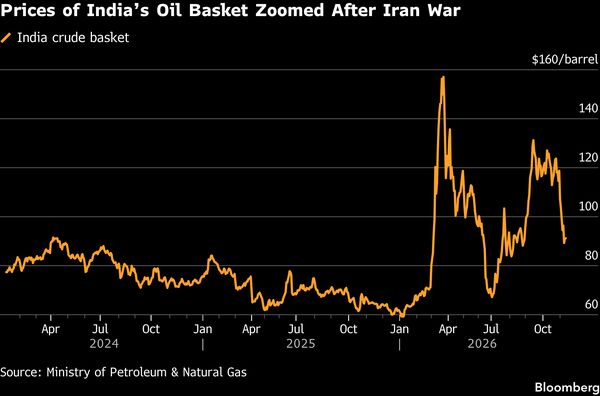
印度此前曾经受过这一水平的借贷成本。让本轮周期可能更加痛苦的是多重因素叠加:油价徘徊在每桶100美元附近、消费者出现疲态迹象、全球投资者情绪脆弱——这种组合可能放大对经济增长的冲击。
India has weathered borrowing costs at these levels before. What makes this cycle potentially more painful is the combination of oil near $100 a barrel, signs of fatigue among consumers and fragile global investor sentiment — a mix that could magnify the hit to growth.
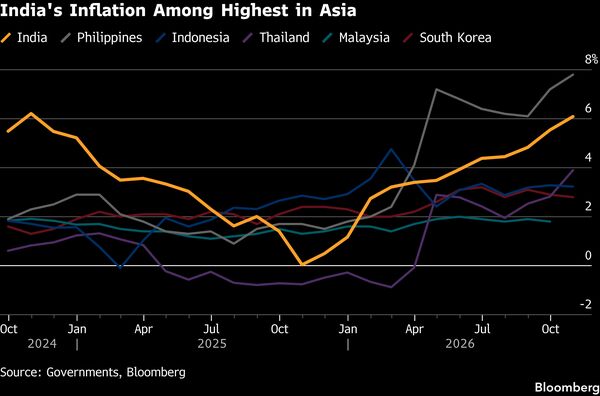
上周公布的数据显示,10月通胀升至两年高位,突破了印度储备银行6%的容忍区间上限,强化了进一步收紧政策的理由。该央行上月实施了近四年来的首次加息。
Figures last week showed inflation climbed to a two-year high in October to breach the 6% ceiling of the RBI’s tolerance band, strengthening the case for further tightening. The central bank delivered its first interest rate hike in nearly four years last month.
物价上涨和借贷成本上升的组合对印度构成了“双重打击”,Shriram Research Pvt Ltd研究主管Apoorva Javadekar表示。“这将冲击消费,尤其是农村地区,因为农业前景正在恶化,且那里的通胀高于城市地区。”在2024-25财年的上一轮紧缩周期中,较低的油价和回落的食品价格给政策制定者留出了更大的操作空间。这一次,其缓冲经济的能力受到更多制约。中东冲突令原油价格居高不下,推高了印度的进口账单,并增加了政府的补贴负担。
The combination of rising prices and borrowing costs is “a double whammy for India,” said Apoorva Javadekar, head of research at Shriram Research Pvt Ltd. “It is going to impact consumption, especially in rural areas, as agricultural prospects are worsening and inflation there is higher than in urban areas.”During the previous tightening cycle in 2024-25, cheaper oil and easing food prices gave policymakers more room to maneuver. This time, its ability to cushion the economy is more constrained. The Middle East conflict has kept crude elevated, swelling India’s import bill and adding to the government’s subsidy burden.
周五公布的数据显示,10月印度贸易逆差扩大至一年高位。食品是另一压力来源,严重的厄尔尼诺现象威胁全球收成,而国内降雨不足损害了农作物。
Figures Friday showed India’s trade deficit widened to a one-year high in October. Food is another source of strain, with severe El Niño conditions threatening global harvests while deficient rains have hurt crops at home.
Javadekar预计,公共财政压力将持续,价格压力将比先前预期更具顽固性。“我们尚未走出困境,”他补充道。
Javadekar expects the strain on public finances to persist and price pressures to prove more stubborn than previously expected. “We are not out of the woods yet,” he added.
评级机构ICRA有限公司的经济学家阿迪蒂·纳亚尔预计,通胀“在未来几个月内仍将高于印度央行容忍区间6%的上限”,她表示,这使得12月加息“几乎确定无疑”。
Aditi Nayar, an economist at ratings agency ICRA Ltd. expects inflation “to remain above the 6% upper bound of the RBI’s tolerance band over the next couple of months,” making a December rate hike “almost certain,” she said.
全球货币政策可能带来又一个复杂因素。美联储进一步收紧政策将缩小印度资产的收益率优势,可能加速资本外流并削弱卢比。
Global monetary policy could add another complication. Further Federal Reserve tightening would narrow the yield advantage of Indian assets, potentially accelerating capital outflows and weakening the rupee.
利率重回6%以上也可能给总理纳伦德拉·莫迪的政府带来政治挑战。据追踪全球政治暴力和抗议活动的非营利组织ACLED统计,今年公众不满情绪更加明显,抗议活动达到十年来最高水平。
A return to rates above 6% could also create a political challenge for Prime Minister Narendra Modi’s government. Public discontent has become more visible this year, with protests at their highest in a decade, according to ACLED, a nonprofit that tracks political violence and protests globally.
本月早些时候,数万人参加了印度主要反对党在新德里领导的集会,抗议备受争议的选民名册全面改革,一些示威者还表达了对通胀和失业的不满。更高的利率可能挤压家庭需求,从而加剧这种经济不安情绪。
Tens of thousands joined a rally led by India’s main opposition parties in New Delhi earlier this month to protest a contentious overhaul of voter rolls, with some demonstrators also voicing frustration over inflation and unemployment. Higher rates risk adding to that economic unease by squeezing household demand.
“宏观金融条件收紧的有意和无意后果都将是需求破坏,尤其是因为印度央行无法控制的供给侧压力继续造成干扰,”Emkay Global Financial Services的经济学家马达维·阿罗拉表示。目前有几件事对印度央行有利。
“The intended and unintended consequences of tighter macro-financial conditions will be demand destruction, particularly as supply-side pressures that are beyond the RBI’s control, continue to play spoilsport,” said Madhavi Arora, an economist at Emkay Global Financial Services. A few things are working in the RBI’s favor for now.
4月至6月季度国内生产总值增长7.8%,私人消费增长7.1%。由于全年增长率有望超过7%,经济学家表示,央行有余地牺牲部分需求来控制物价。
Gross domestic product expanded 7.8% in the April-June quarter and private consumption rose 7.1%. With full-year growth on track to exceed 7%, economists say the central bank has room to sacrifice some demand to bring prices under control.
印度央行决策者已表示准备这样做。行长桑杰·马尔霍特拉上个月表示,高通胀是“对所有人的征税”。
RBI policymakers have signaled they are prepared to do so. High inflation is a “tax on everyone,” Governor Sanjay Malhotra said last month.
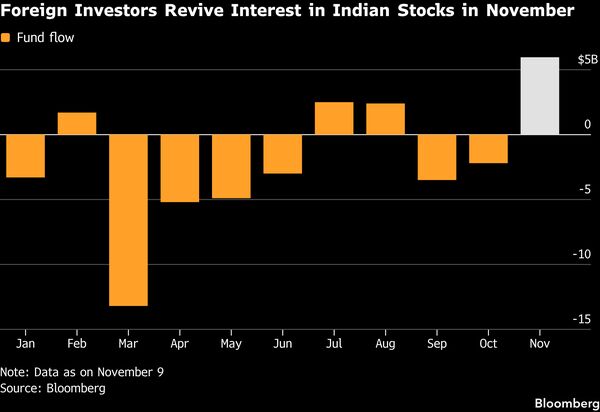
此外,外国投资者在今年前10个月撤出超过300亿美元后,正重新回流印度资产。卢比在上月跌至接近1美元兑97卢比的纪录低点后也已回升,这得益于印度央行的措施。
Besides, foreign investors are returning to Indian assets after pulling out more than $30 billion this year through October. The rupee has also recovered after hitting a record low near 97 per dollar last month, helped by measures from the central bank.
不过,净流出仍接近230亿美元,而2024年同期不到10亿美元。卢比仍易受原油价格波动和全球资本流动冲击。
Still, net outflows remain nearly $23 billion, compared with less than $1 billion in 2024. And the rupee remains vulnerable to swings in crude prices and global capital flows.
汇丰控股首席印度经济学家普兰朱尔·班达里表示:“我对印度央行的做法抱有同情,因为当石油和食品冲击同时出现时,溢出影响可能更为显著和巨大。”班达里预计,印度央行在12月的下次会议上将大幅加息50个基点。
“I have my sympathies with what the central bank is doing because when you have both an oil and a food shock together, then the spillover impact can be more meaningful and large,” said Pranjul Bhandari, chief India economist at HSBC Holdings Plc. Bhandari expects an outsized 50-basis-point hike at the RBI’s next meeting in December.