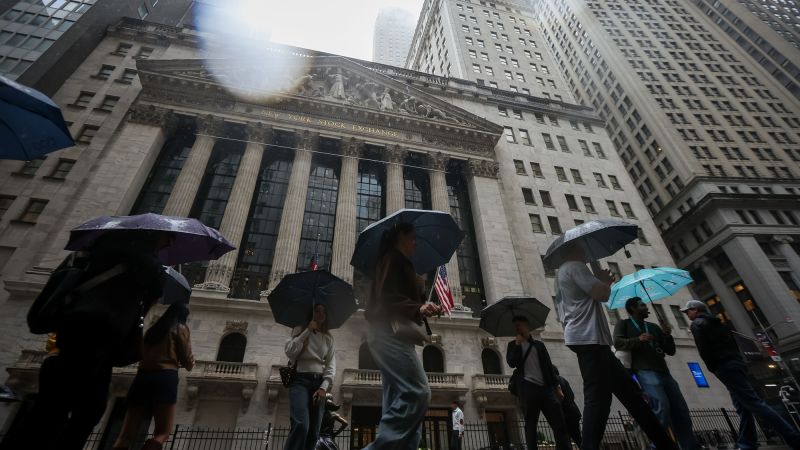
人工智能热潮是一场泡沫,可能在2028年总统选举前破裂并导致衰退,前华尔街最高监管官加里·根斯勒在接受CNN采访时表示。
The artificial intelligence boom is a bubble that will likely burst and cause a recession prior to the 2028 presidential election, Gary Gensler, the former top cop on Wall Street, told CNN.
“这已经是泡沫了,”根斯勒说,他在拜登政府期间负责监管美国资本市场。
“It’s already a bubble,” Gensler, who was the point person overseeing US capital markets during the Biden administration, said in an interview.
根斯勒的警告出现在人工智能行业正处于动荡时刻,此前数周连续出现冲击。
Gensler’s warning comes at a precarious moment for the AI industry following a cascading series of shocks in recent weeks.
民主党在中期选举中取得惊人胜利,引发投资者担忧数据中心可能面临监管收紧,而数据中心是人工智能建设的核心。华盛顿和华尔街仍在感受英伟达创始人黄仁勋——业界最重要人物——骤然倒台带来的冲击波。现在,一个关键考验出现:Anthropic正试图在逆风中完成创纪录的首次公开募股。
Democrats’ stunning midterm victories raised fears among investors of a looming crackdown on the data centers at the heart of the AI buildout. Washington and Wall Street are still feeling the shockwaves caused by the stunning downfall of Nvidia’s Jensen Huang, the most important person in the industry. And now a critical test looms: Anthropic is attempting to pull off a record-shattering IPO in the face of these headwinds.
根斯勒曾于2021年至2025年领导美国证券交易委员会,他指出,按照一些估算,每年有高达8000亿美元的资金投入人工智能基础设施建设。
Gensler, who led the Securities and Exchange Commission from 2021 until 2025, pointed to the mind-boggling amounts of money – by some estimates $800 billion a year – being plowed into building AI infrastructure.
“历史告诉我们,当出现新技术并伴随巨额投资时,最终会出现平台期并收缩,”根斯勒说。“唯一的问题是这会是一次软性衰退,还是更为剧烈的衰退。” 这些言论使根斯勒成为公开警告人工智能引发衰退的最高级别前联邦监管者。
“History tells us that when you have a new technology and a significant investment…you come to a point where it plateaus. It retrenches,” said Gensler. “The only question is if it’s a soft recession or something more dramatic.”The comments appear to make Gensler the most senior former federal regulator to publicly warn that an AI-fueled recession may be on the way.
但他的警示与华尔街和学术界知名人士的类似警告相呼应,包括对冲基金亿万富翁雷·达里奥、哈佛经济学家肯尼斯·罗格夫以及投资者迈克·诺沃格拉茨等。
But his words of caution echo similar AI bubble-bursting warnings from prominent individuals on Wall Street and academics, including hedge fund billionaire Ray Dalio, Harvard economist Kenneth Rogoff and investor Mike Novogratz.
现任麻省理工学院教授的根斯勒指出,过去几个世纪中,许多变革性技术在基础设施投入预期收入后,都经历了强劲的下行。
Gensler, now a professor at MIT, pointed to past examples of transformative technologies over centuries that experienced powerful downturns after infrastructure was funded in anticipation of revenue.
“铁路从繁荣到泡沫的过程是一场相当大的冒险,它导致了真正的深度衰退、萧条。20世纪20年代的电力,1990年代的互联网,”根斯勒说。
“That railroad boom-to-bubble was quite an adventure, and it led to really deep recessions, depressions. The 1920s with electricity, the 1990s with the internet,” Gensler said.
在人工智能领域,公司们争相投入巨资建设数据中心、购买尖端计算机芯片和其他设备。
With AI, companies have scrambled to sink enormous sums of money into building data centers, buying cutting-edge computer chips and other equipment.
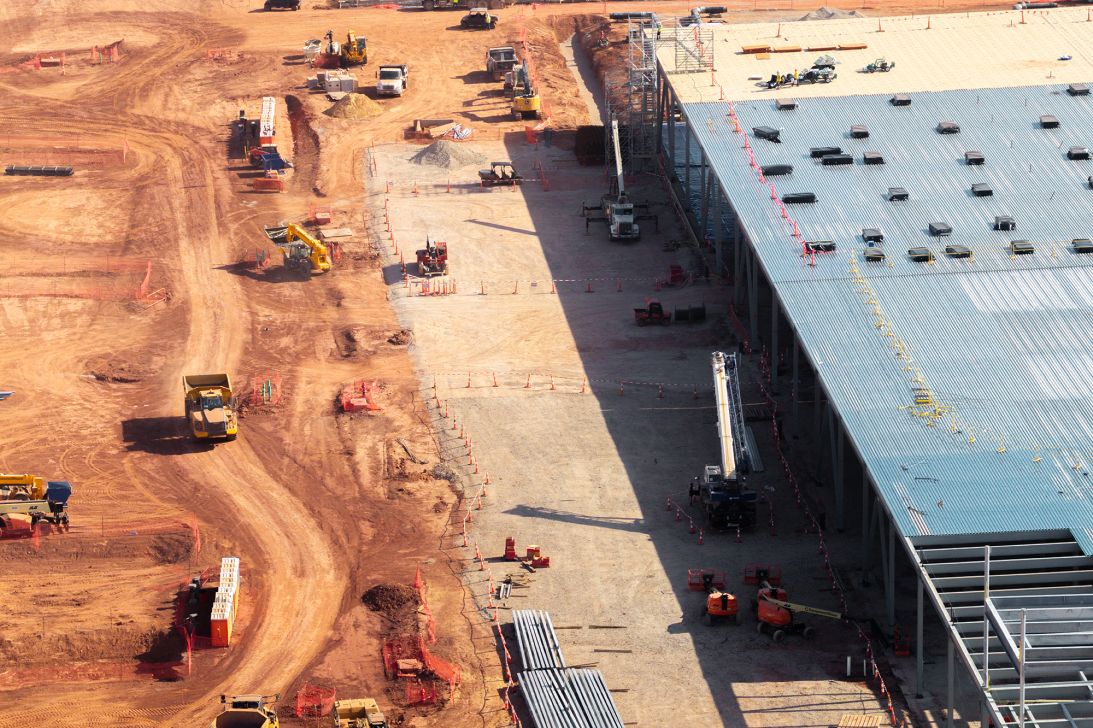
各方竞相打造最智能的模型和最好的芯片,以在华尔街这场史诗级的淘金热中分一杯羹,并在一场关乎科技霸权的高风险军备竞赛中击败中国。
There is a race to build the smartest models and the best chips to cash in on an epic gold rush on Wall Street and to beat China in a high-stakes arms race for tech superiority.
但资金涌入的速度快于盈利能力——这种不可持续的错配最终必须以某种方式实现平衡。所有这些都引发了公司过度投资和背负过多债务的幽灵。
But money is pouring in to this space faster than the ability to turn a profit – an unsustainable mismatch that must eventually come into balance, one way or another. All of this raises the specter of companies overinvesting and piling on too much debt.
“大型科技公司2026年的支出将是三年前的五倍……光是这规模就非同寻常,”根斯勒说。
“The Big Tech companies are spending five times more in 2026 than they were just three years ago…It’s just the extraordinary size of it all,” Gensler said.
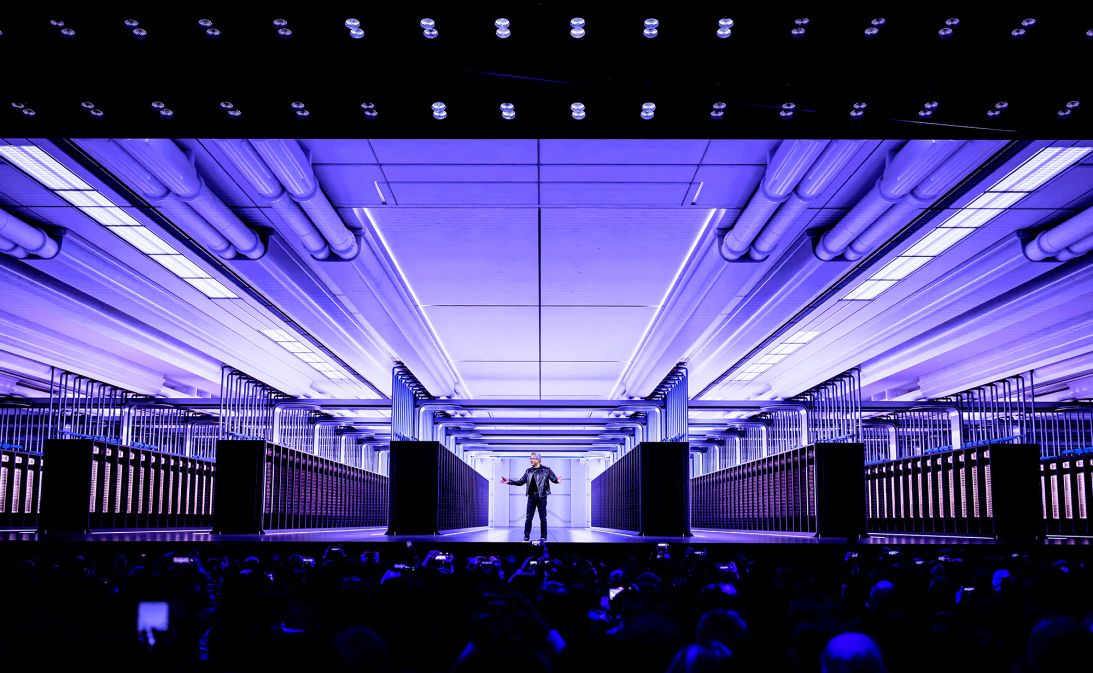
英伟达的财务触角几乎延伸至人工智能生态系统的每个角落,以至于该公司被誉为“人工智能央行”,黄仁勋是其主席——直到上周他突然离职。
Nvidia’s financial tentacles reach almost every corner of the AI ecosystem, to the point that the company has been dubbed the central bank of AI, with Huang its chairman – until his sudden exit last week.
让人工智能怀疑论者担忧的不仅是支出本身,还有这场狂欢是如何获得资金支持的。
It’s not just the spending that worries AI skeptics. It’s how this binge is being funded.
根斯勒曾在奥巴马政府时期担任商品期货交易委员会主席,他表示担心,部分支出一直隐藏在公众视野之外。他指出了循环融资和复杂的表外融资,这些手段让人难以了解究竟承担了多少风险。
Gensler, who served as chairman of the Commodity Futures Trading Commission during the Obama administration, expressed concern that some of this spending has been hidden from view. He pointed to circular financing and complex, off-balance sheet financing that make it difficult to understand just how much risk is being taken on.
“人们可能会质疑,为什么所有的贷方都借出这么多钱,”根斯勒说。“我认为历史将证明,他们借出了太多钱,速度太快。这就是这类繁荣演变为破裂泡沫的本质。”那么,如果这场繁荣破裂,第一张多米诺骨牌将在哪里倒下?
“One might question why all the lenders are lending all this money,” Gensler said. “I think history will show that they loaned too much money, too fast. And that’s the nature of these types of booms that become bursted bubbles.”So if this boom goes bust, where will the first dominos fall?
根斯勒指向了“新云”平台,即那些向人工智能开发者出租海量专业超算算力的专业云平台。
Gensler pointed to neoclouds, the specialized cloud-based platforms that lease out massive amounts of specialized supercomputing brainpower to AI developers.
问题在于,这些公司中有些在巨额债务之上构建了自己的业务,其商业模式容易受到突发变化的影响。
The problem is that some of these companies have built their businesses on a mountain of debt and their business models are vulnerable to sudden shifts.
“主要公司会幸存下来。我们将看到一些破产和倒闭,发生在这些新云公司身上,”根斯勒说。
“The major companies will survive. It’s these neocloud companies where we’re going to see some breakage and bankruptcies,” Gensler said.
埃隆·马斯克不祥地警告称,现有的200多家新云公司将经历“鳀鱼级别的死亡和整合”。“有些会挺过去,但不会很多,”马斯克上个月在X平台上的一篇帖子中表示。
Elon Musk ominously warned that the 200-plus existing neoclouds will experience “guppy-level death and consolidation.”“Some will make it through, but not many,” Musk said in a post on X last month.
当然,并非所有破裂的泡沫都会导致衰退——而且并非所有泡沫都严重。
Of course, not all bursted bubbles cause recessions – and not all of them are severe.
根斯勒表示,他预计这次潜在下滑的规模将“与”2000年代初期互联网泡沫破裂“一样重大”,但不会“像”导致2008年金融危机的次级抵押贷款崩溃“一样严重”。
Gensler said he expects the magnitude of this potential downturn to be “as significant as” the dot-com bubble bursting in the early 2000s but not “as harsh as” the subprime mortgage meltdown that led to the 2008 financial crisis.
正如大衰退成为2008年白宫竞选的强大背景一样,根斯勒表示,这次潜在下滑可能会在政治日历的关键时刻到来。
And just as the Great Recession served as a powerful backdrop to the 2008 race for the White House, Gensler said this potential downturn could arrive at a critical time in the political calendar.
“我认为,我们将在2028年11月之前经历这次重新定价和经济软化,”他说。
“I think we’re going to have this repricing and a softening of the economy that happens before November 2028,” he said.
当然,华尔街许多人认为,过去几周证明了人工智能热潮有多么持久。
Of course, many on Wall Street believe the past few weeks prove how durable the AI boom really is.
人工智能股票已经大幅下跌,但并未崩溃,投资者也没有恐慌——尽管最近遭遇了冲击。
AI stocks have lost significant altitude but they have not imploded and investors have not panicked – despite the recent shocks.
“我们看到的是泡沫中的气体在排出。它不一定会破裂,”亚德尼研究公司总裁埃德·亚德尼说。“我不认为这是一个会破裂的泡沫。这是一个自我修正的泡沫。人工智能交易时不时会出现回调。”亚德尼在互联网泡沫破裂期间曾担任德意志银行首席经济学家,他承认根斯勒的警告是一个“合理的情景”,但补充说,泡沫担忧正在阻止不可持续的飙升。
“What we’re seeing here is the air coming out of the bubble. It doesn’t have to burst,” said Ed Yardeni, president of Yardeni Research. “I don’t see this as a bubble that bursts. It’s a self-correcting bubble. Every now and then you get a swoon in the AI trade.”Yardeni, who was the top economist at Deutsche Bank during the bursting of the dot-com bubble, conceded that Gensler’s warning is a “plausible scenario” but added that bubble fears are preventing an unsustainable melt-up.
“如果所有人都确信人工智能是个泡沫,那它大概率就不是泡沫。有根斯勒这样的人让我们保持清醒是好事,因为从某种程度上说,这降低了下行风险,”亚德尼说。
“If everyone is convinced that AI is a bubble, it probably isn’t. It’s good that people like Gensler are keeping us all grounded because in some ways that reduces the downside,” Yardeni said.
这些担忧在一定程度上帮助消解了曾经高企的估值指标,降低了股票脱离现实的风险。亚德尼指出,芯片制造商的市盈率已跌至低于整体市场水平。
Some of these concerns have helped deflate once-lofty valuation metrics, lowering the risk that stocks become untethered to reality. Yardeni pointed to how price-to-earnings ratios for chipmakers have tumbled below that of the broader market.
“我们看到的并非1999-2000年的重演。估值方面不存在非理性繁荣,”他说。
“We’re not looking at 1999-2000 all over again. There is no irrational exuberance in valuations,” he said.
这位前美国证监会主席表示,他相信支撑人工智能的“底层技术”,但仍担忧资本市场对其定价错误。
The former SEC chairman said he believes in the “underlying technology” powering AI but still worries capital markets are mispricing it.
根斯勒在切萨皮克湾长大,他将当前时刻比作航行时天际线上出现了不祥的乌云。
Gensler, who grew up on the Chesapeake Bay, likened the current moment to sailing with ominous clouds on the horizon.
“我无法确切说出何时会有多大的风暴,”他说,“但我会扎紧舱盖,确保备好合适的雨具。”
“I can’t say exactly when and how stormy,” he said, “but I would be battening down some hatches and making sure you have some proper rain gear.”