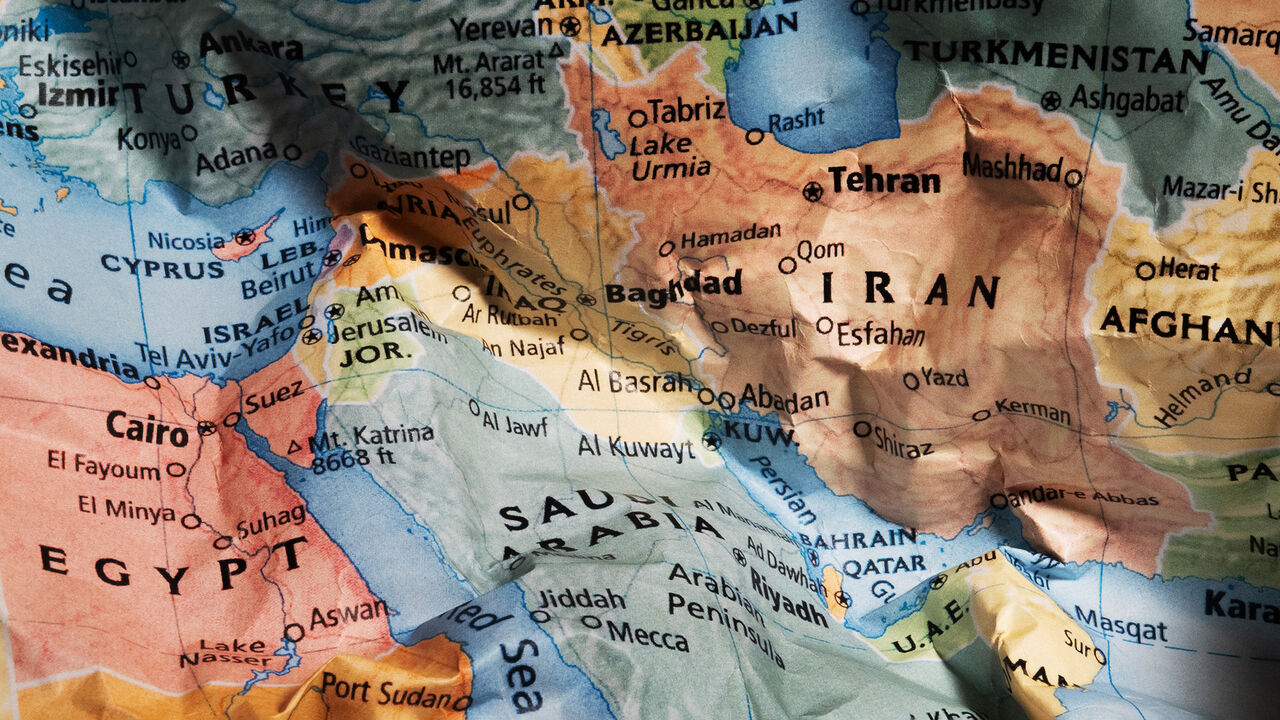
与伊朗的对抗历来会塑造远在千里之外的政治。近半个世纪前,德黑兰人质危机助推了吉米·卡特在1980年美国总统选举中败给罗纳德·里根。如今,伊朗的强硬派想再宣称一次胜利。共和党在美国中期选举中惨败,部分原因就是选民对唐纳德·特朗普与伊朗开战的反弹。总统在国内的政治困境,是让人希望2027年中东战事减少的一个理由。以色列的新政府可能是另一个理由。但全面战争的缺席并不会带来和平。
Confrontations with Iran have a history of shaping far-distant politics. Nearly half a century ago, the hostage crisis in Tehran contributed to Jimmy Carter’s defeat by Ronald Reagan in America’s presidential election of 1980. Now Iran’s hardliners would like to claim another victory. The Republicans were trounced in America’s midterm elections in part because of a backlash against Donald Trump’s war with Iran. The president’s domestic political troubles are one reason to hope for less fighting in the Middle East in 2027. A new government in Israel may be another. But an absence of all-out war will not herald peace.
过去一年既凸显了美国和以色列军事力量的强大,也像他们此前许多场战争一样,暴露了这种力量的局限。战场上的优势并未转化为政治解决方案。2027年,与伊朗的战争将继续动摇许多关于该地区力量平衡与安全的长期假设。在所有这些盘算中,特朗普仍将是最大的变数。
The past year has highlighted both the extent of American and Israeli military might and, like many of their wars before, its limitations. Supremacy on the battlefield has not translated into political settlements. In 2027 the war with Iran will continue to undermine many long-held assumptions about the balance of power and security in the region. Mr Trump will remain the wild card in all these calculations.
假设总统因国内败选而受到教训,搁置再次空袭伊朗的计划。经济支离破碎、急需解除制裁的伊朗作出让步。它开放霍尔木兹海峡,并同意就其核计划进行“会谈前的会谈”。特朗普匆忙奔向协议。这份协议粗糙且漏洞百出。没人指望它能持久,也没人指望它能明确约束伊朗的核计划。但它让总统得以宣称胜利——而且它不是战争。
Assume the president is chastened by defeat at home, and sets aside his plans to batter Iran again with air strikes. Iran, its economy in tatters, and desperate for sanctions relief, makes concessions. It opens the Strait of Hormuz and agrees to talks about talks on its nuclear programme. Mr Trump rushes towards a deal. It is scrappy and full of holes. No one expects it to last or to definitively constrain Iran’s nuclear plans. But it lets the president declare victory—and it is not war.
这种情况很可能发生。但总统同样可能朝相反方向摆动。在他那套“自选冒险”式中东政策里,受挫而愤怒的特朗普认定,一场戏剧性的军事胜利是挽救自己声誉的最佳方式。他再次动用美国武装力量,打击军事和民用目标。伊朗则以攻击其海湾邻国作为回应,摧毁能源资产,破坏重要的民用基础设施。
That could well happen. But the president could just as plausibly swing the other way. In the pick-your-own-adventure of his Middle East policy, a bruised and angry Mr Trump decides that a dramatic military victory is the best way to salvage his reputation. He once again unleashes America’s armed forces, whacking military and civilian targets. Iran responds by attacking its Gulf neighbours, taking out energy assets and damaging essential civilian infrastructure.
无论战争是否重燃,海湾国家都将怀着沮丧的心情旁观。伊朗这个令人厌恶的政权因再次遭受攻击而得到提振。其统治者没有心情与实力衰退的特朗普妥协,也不愿做太多事情来改善伊朗民众的处境。控制霍尔木兹海峡是一项日渐贬值的资产,但伊朗试图尽可能长久地利用它,攻击油轮、扰乱全球能源市场。
Whether the war resumes or not, the Gulf states will look on with dismay Coming under renewed attack gives Iran’s hated regime a boost. Its rulers are in no mood for compromise with a weakened Mr Trump, nor to do much to improve the lot of the Iranian people. Control of the Strait of Hormuz is a wasting asset, but one Iran tries to exploit for as long as it can, attacking tankers and disrupting global energy markets.
任何新的冲突爆发都会让本雅明·内塔尼亚胡感到高兴,他虽不再担任以色列总理,却仍在暗中伺机。他继续敲响战鼓,试图让安全议题始终处于政治辩论的核心,以确保自己的政治生存。一个新的少数派政府无法将他赶下政治舞台。以色列陷入政治瘫痪。加沙重建毫无进展。由加迪·艾森科特领导的政府试图遏制约旦河西岸的定居者暴力,但对认真处理以色列与巴勒斯坦的关系毫无兴趣。他的政府更担心与美国关系恶化,却无力修复关系。
Any new conflagration pleases Binyamin Netanyahu, no longer Israel’s prime minister but still lurking. He continues to beat his war drum in an effort to keep security at the heart of the political debate and ensure his own political survival. A new minority government proves incapable of booting him off the political stage. Israel is gripped by political paralysis. The reconstruction of Gaza continues to go nowhere. A government led by Gadi Eisenkot tries to tamp down settler violence in the West Bank, but has no interest in seriously grappling with Israel’s relations with the Palestinians. His government is more worried about worsening relations with America, but is unable to fix them.
这也是合理的推测。但无论战争是否重燃,海湾国家都将怀着沮丧的心情旁观。美国持续退出地区霸权角色,将使它们暴露无遗。它们将试图劝阻特朗普重启与伊朗的战争,但不得不认识到自身影响力的局限。它们将通过在别处寻找安全保障来应对(尽管不会通过扩大与以色列的《亚伯拉罕协议》)。但沙特阿拉伯与阿拉伯联合酋长国的竞争将使此类努力复杂化。随着阿曼和卡塔尔与伊朗达成单独协议,地区分歧将加剧。
That is also plausible. But whether the war resumes or not, the Gulf states will look on with dismay. America’s continued retreat from its role as the regional hegemon will leave them exposed. They will try to dissuade Mr Trump from restarting his war with Iran but will have to recognise the limits of their influence. They will respond by looking elsewhere for security guarantees (though not by expanding the Abraham accords with Israel). But the rivalry between Saudi Arabia and the United Arab Emirates will complicate such efforts. Regional differences will sharpen as Oman and Qatar cut side-deals with Iran.
沙特阿拉伯王储穆罕默德·本·萨勒曼将发现自己处于格外尴尬的境地。沙特将做一笔代价高昂的交易来收买胡塞武装,这个伊朗支持的叛军组织一直在袭击沙特的机场和能源基础设施。但这项交易很可能会破裂。王储改造其王国的计划依赖于吸引投资、企业和游客进入一个承诺稳定与繁荣的国家。持续存在且难以预测的危险威胁着这一愿景。对他判断力的质疑将会增多,尽管不会出现对其统治的直接挑战。
Muhammad bin Salman, Saudi Arabia’s crown prince, will find himself in a particularly awkward position. The Saudis will make a costly deal to buy off the Houthis, the Iran-backed rebels who have been attacking their airports and energy infrastructure. But it is likely to unravel. The prince’s plan to transform his kingdom relies on attracting investment, companies and visitors to a country that promises stability and prosperity. Persistent, unpredictable dangers threaten that vision. Questions about his judgment will grow, though no direct challenge to his rule will emerge.
海湾地区的政府和企业将为霍尔木兹海峡找到更多、更好的变通办法,投资管道、替代贸易路线以及其他绕过该海峡的方式。这将使它们的经济更具韧性,但也会因缓解寻求持久解决方案的紧迫压力,而使根本性的地区不稳定更加持久。
Governments and businesses in the Gulf will find more and better workarounds for Hormuz, investing in pipelines, alternative trade routes and other ways to bypass the strait. That will make their economies more resilient, but will also make the underlying regional instability more durable by easing the immediate pressure to find a lasting resolution.
来年将会有更少的战斗。这将是受欢迎的。但零碎的停火、武装对峙和临时拼凑的经济变通办法不会带来持久和平。曾经不可想象的事情——美国和以色列对伊朗的打击、伊朗对油轮和基础设施的袭击——将变得司空见惯。中东将不得不与不确定性共存。那些能够有意义地结束战斗的人不会认为这样做符合他们的利益。相反,一种阴郁的对峙将成为常态,其间穿插着威胁、冲突升级和断断续续的外交尝试。■
The coming year will see fewer battles. That will be welcome. But piecemeal ceasefires, armed stand-offs and improvised economic workarounds will not bring lasting peace. What was once unthinkable—American and Israeli strikes on Iran; Iranian attacks on oil tankers and infrastructure—will feel familiar. The Middle East will have to live with uncertainty. Those who could bring a meaningful end to the fighting will not consider it in their interests to do so. Instead, a sullen stand-off will prevail, punctuated by threats, flare-ups and fitful attempts at diplomacy. ■