法比安娜·林孔 发布:2026-11-18T21:55:03Z周二大约一分钟内,全美各地的收音机和电视屏幕闪现了一条来自联邦应急管理局的模拟紧急警报。随后,尽管此前有严重后果的预测,一切便结束了。
FABIANNA RINCON Published: 2026-11-18T21:55:03Z For approximately one minute on Tuesday, radios and televisions across the United States flashed a simulated emergency alert from the Federal Emergency Management Agency. And then, despite dire predictions, it was over.
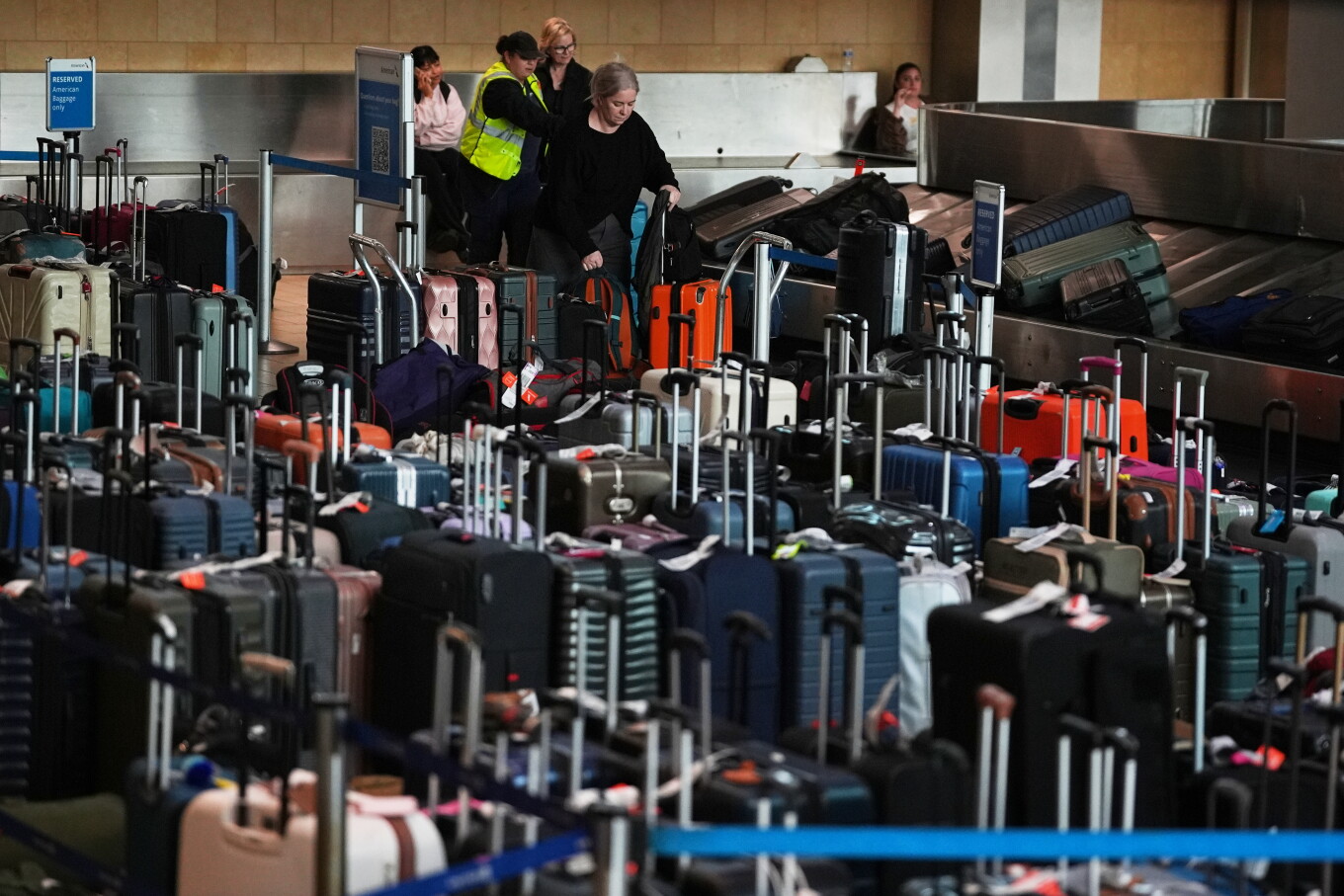
在联邦应急管理局演练前的一周里,发生了重大的通信和服务中断,导致 Outlook 和其他微软程序瘫痪,数千架次航班停飞,摩根大通的访问受阻,国家安全局内部通信中断。该测试每三年安排一次,旨在发现系统中的问题,此前曾成为阴谋论和错误信息的避雷针。今年更是如此。
The week preceding the FEMA drill saw significant communication and service outages that disabled Outlook and other Microsoft programs, grounded thousands of flights , blocked access to JPMorgan Chase , and halted internal communications at the National Security Agency. The test, scheduled every three years to identify issues in the system, has previously become a lightning rod for conspiracy theories and misinformation. This year, even more so.
网上出现虚假和误导性言论,质疑中断的原因,或将其与流氓或神秘行为体导致的国际大停电威胁联系起来。这些叙事跨越国界、以不同语言传播,其中在全球拉美裔社区流传的西班牙语言论具有特定的含义和文化关联。
Online, false and misleading claims questioned the cause of the outages, or connected them to threats of international blackouts caused by rogue or mysterious actors. The narratives spread across borders and in different languages, with particular implications and cultural connections tied to Spanish-language claims that circulated throughout global Latino communities.
尽管错误信息并不局限于拉美裔或西班牙语社区,但专家警告,这些网上对话显示出,对精英和机构日益增长的不信任如何以独特方式影响拉美裔群体的媒体消费。
Although the misinformation was not limited to Latino or Spanish-language communities, experts warned that these online conversations show how growing distrust in elites and institutions uniquely influences Latino media consumption.
内华达大学拉斯维加斯分校种族与公平研究讲师亚瑟·索托-巴斯克斯博士表示:“许多社区,尤其是美国的拉美裔社区,普遍存在的这种不信任感,会随之渗入并被围绕它的网络话语放大。”
“This sense of general distrust within many communities, but especially including the Latino community in the United States, will then feed into and be amplified by the online discourse around it,” said Dr. Arthur Soto-Vásquez, who teaches ethnic and equity studies at the University of Nevada, Las Vegas.
在联邦应急管理局预定测试前的几天里,阴谋论将真实事件编织在一起,推动虚假理论。此前一连串服务中断的时间点被引用为所谓证据,声称人们需要为一场更大的国际灾难做准备。
In the days leading up to the scheduled FEMA test, conspiracy theories wove together real events to push false theories. The timing of the previous sequence of service outages was cited as supposed evidence of a greater international catastrophe people needed to prepare for.
社交媒体帖子质疑这次测试是否真的是更广泛备灾工作的一部分,因为人们对气候变化的影响以及对技术日益增长的依赖感到担忧。这些帖子提到了一些项目,包括“美国堡垒”,这是国防部一项旨在加强美国军事基地备灾工作的倡议,以及英国的“随时准备”运动,该运动敦促公众储备足以维持72小时的物资。
Social media posts questioned whether the test was really part of greater preparedness efforts as concerns grow about the impact of climate change and growing reliance on technology. They referenced programs including Fortress America, a Defense Department initiative to heighten preparedness efforts on U.S. military bases, and the U.K.’s “Be Ready” campaign that urges the public to stock up with supplies to last 72 hours.
“这些谣言之所以能广泛传播,是因为它们植根于真实存在的事物,”美洲数字民主研究所研究顾问拉斐尔·奥拉瓦里亚说。
“The success in virality of these rumors is because it’s anchored in things that are real,” said Rafael Olavarría, a research consultant with the Digital Democracy Institute of the Americas.
DDIA分析了11月11日至11月17日期间上传的2200多条西班牙语帖子和文章,以追踪关于“全球性停电”预测的传播情况。这些内容累计获得超过9500万次浏览和600万次互动,传播最广的是由“主流媒体和标题党式媒体”推送的、带有“危言耸听标题”的内容,这些标题往往在其自身文章内部就被辟谣了。
The DDIA analyzed over 2,200 Spanish-language posts and articles uploaded between Nov. 11 and Nov. 17 to track the spread of claims forecasting a “worldwide outage.”The content, which amassed over 95 million views and 6 million interactions, traveled furthest when pushed by “mainstream and clickbait-style outlets” using “alarmist headlines” that were often debunked inside of their own articles.
英语错误信息主要集中在长时间全国大停电的可能性上,其中一些源自一段伪造视频,视频中特朗普总统警告称“90天的大停电将在年底前发生”。西班牙语错误言论则引用发生在国外的真实事件,将其扭曲为本国传闻中大停电的“证据”。
Misinformation in English centered mostly on the possibility of prolonged nationwide blackouts, some of which originated with a fabricated video of President Donald Trump warning that “a 90-day blackout is going to happen before the end of the year.”In Spanish, erroneous claims cited real events occurring abroad, distorting them as “proof” of rumored blackouts in their own countries.
“根据我们收集的数据,这些谣言是在我们看到机场和银行离线瘫痪后,在网络上爆发的,”奥拉瓦里亚告诉美联社。“当错误信息掺杂了一点真实成分时,就有一种变得更具效力的方式。”
“The rumors, according to the data we gathered, exploded online after what we saw with airports and banks going offline,” Olavarría told the AP. “Misinformation, when it gets a grain of truth, has a way of becoming more effective.”
数字民主美洲研究所创始人兼执行总监罗伯塔·布拉加表示,西班牙语错误信息之所以与众不同,是因为不法分子的动机在于利用“拉丁裔对精英和机构存在的不信任程度”。该研究所自身的研究显示,大多数拉丁裔不信任科技公司首席执行官、人工智能公司、政客或政府机构,认为他们无法在技术发展过程中保障自身安全。
What set the Spanish-language misinformation apart, according to Roberta Braga, founder and executive director of Digital Democracy Institute of the Americas, was the motivations of bad actors to leverage “levels of mistrust among Latinos about elites and institutions.”The DDIA’s own research shows that most Latinos do not trust tech company CEOs, AI companies, politicians, or government institutions to keep them safe as technology develops.
“我认为这都触及了人们对生活数字化感到不安的核心,”布拉加说。“他们日常生活和安全的许多方面都依赖于数字系统。”或者正如巴德·巴尼在其歌曲《大停电》中感叹的那样:“该死,又停电了”,这捕捉到了一些拉丁裔的情绪,即大范围停电不仅仅是网络威胁。停电,或称“apagones”,正日益成为从加勒比海岛屿到中南美洲各国普遍面临的困境。
“I think this all gets at a discomfort that people feel about the digitalization of their lives,” Braga said. “A lot of aspects of their day to day and security are dependent on digital systems.”Or, “damn, another blackout,” as Bad Bunny laments in his track “El Apagón,” which captures some Latinos’ sentiments of widespread power outages as more than just viral threats. Blackouts, or “apagones,” are increasingly ubiquitous hardships from the islands of the Caribbean to nations across Central and South America.
不过,这些停电很少被视为阴谋。其频率增加源于气温升高和灾难性的气候变化,给电网带来了沉重负担,而在一些国家,电网多年来因经济制约或政府低效腐败而被忽视维护。
These outages are rarely ever seen as conspiracies, though. Their increased frequencies stem from rising temperatures and catastrophic climate change, burdening grids that, in some countries, have been neglected for years due to economic constraints or government inefficiency and corruption.
对于那些“在不信任掌权者的环境中长大”的人群而言,这种脆弱性成为错误信息运动在针对全球拉丁裔社区及其对机构的不信任时所能利用的工具。
For populations that “grew up distrusting people in power,” this vulnerability becomes something misinformation campaigns are able to exploit when targeting global Latino communities and their distrust of institutions.
“正在发生的恐惧和动员,可能源于人们对以往其他形式的恐慌或恐惧经历的不信任,”索托-巴斯克斯博士说。“一贯的调节因素,仅仅是这种普遍的不信任感。”尽管周二的测试警报并未伴随大范围的“apagón”(大停电),但这些虚假叙事为人们提供了一个契机,去审视他们所使用的网络信息来源。
“The fear and the mobilization of what’s happening is maybe based off of the distrust of previous experiences with other forms of panic or fear,” said Dr. Soto-Vásquez. “The consistent moderating factor is just this general sense of distrust.”Though no widespread “apagón” came with the test alert on Tuesday, the false narratives offered an opportunity for people to examine the sources of online information they are using.
“如果今天没有发生 apagón,现在你们就知道那个网红、那个账号,分享了并未发生的事情,”奥拉瓦里亚周二表示。林孔曾参与美洲数字民主研究所的“拉美裔媒体与民主项目”。___ 请在此查看美联社事实核查:.
“If the apagon doesn’t happen today, now you know that that influencer, that account, shared something that didn’t happen,” Olavarría said on Tuesday. Rincon has participated in the Latinos Media and Democracy Program at the Digital Democracy Institute of the Americas. ___ Find AP Fact Checks here:.