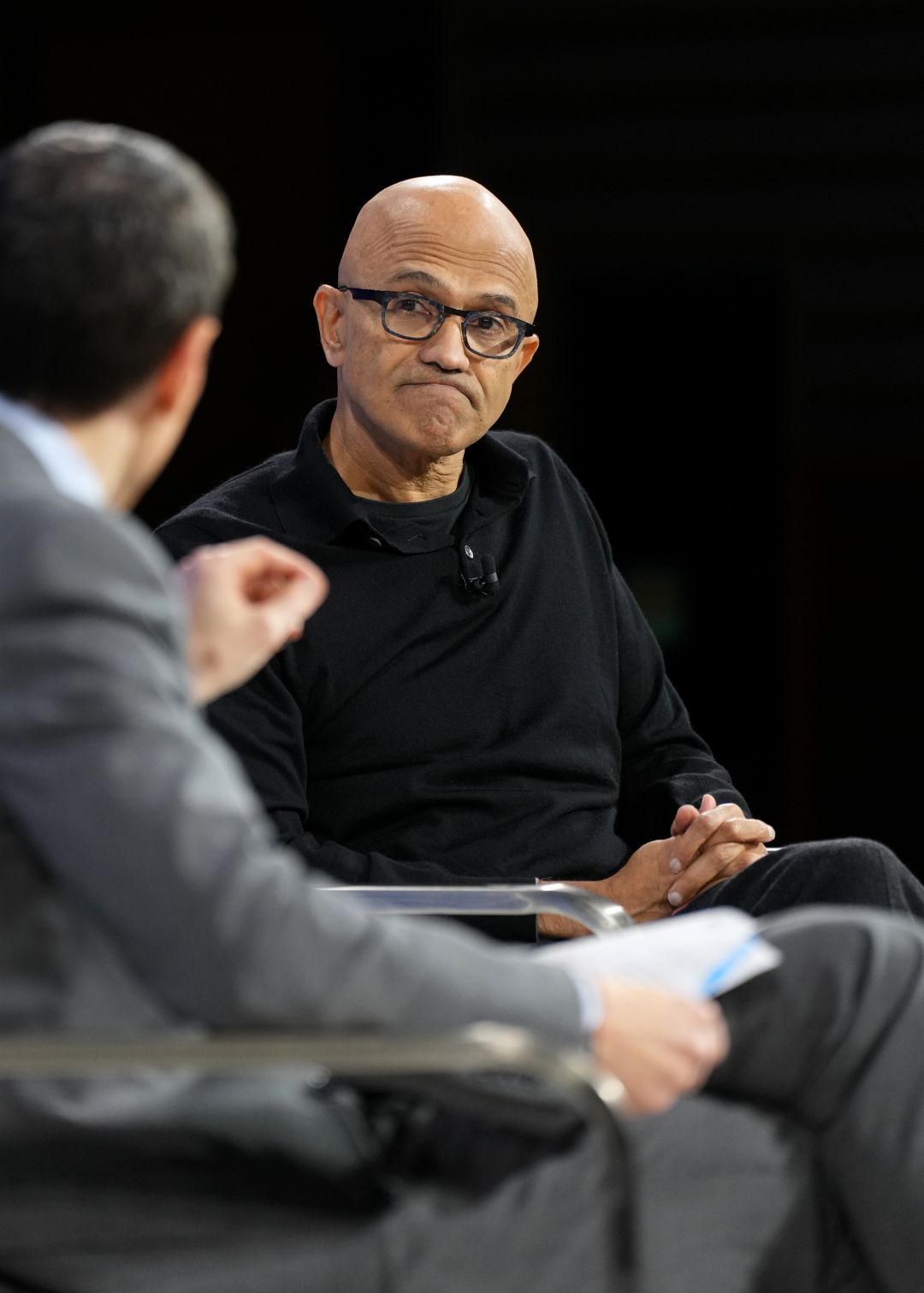
周三,微软首席执行官萨蒂亚·纳德拉出席《纽约时报》DealBook峰会时表示,美国许多软件系统都存在无法修复的漏洞,包括管理日常硬件和交通系统的软件。在人工智能辅助网络攻击的时代,这些漏洞随时可能被利用。
During his appearance at The New York Times’ DealBook Summit on Wednesday, Microsoft CEO Satya Nadella lamented the fact that a lot of America’s software systems — including those governing everyday hardware and transportation systems — suffer from unfixable software vulnerabilities that, in the age of AI-aided cyberattacks, are just waiting to be exploited.
纳德拉说:“记住,我们的关键基础设施中有很多系统是无法打补丁的。想想所有的固件、冷水机组(数据中心常用的冷却设备)以及其他各处的暖通空调系统。顺便说一句,所有这些都联网了。”换言之,经济智能化让世界上许多“哑”设备接入互联网,如今正带来巨大麻烦。
“Remember, there is a lot of stuff in our critical infrastructure that’s unpatchable,” Nadella said. “I mean, think about all the firmware and the chillers [a cooling device often used in data centers] and the HVAC systems everywhere else. So all of that, by the way, they’re on the internet.”In other words: The smartification of the economy, in which much of the world’s “dumb” devices were hooked up to the internet, is now causing tremendous headaches.
这场对话的背景是近期发生的一连串大规模宕机事件,其中一起涉及微软Outlook。其他事件还涉及美国国家安全局、美国联邦航空管理局和苹果公司。外界一直担忧这些宕机是网络攻击所致,尽管官员们否认了这些说法。尽管如此,人工智能辅助网络攻击的现实正促使企业寻找发现和修复漏洞的新策略。
The conversation took place against the backdrop of a wave of recent large-scale outages — including one involving Microsoft Outlook. Others have involved the NSA, the FFA, and Apple. Concerns have swirled that these outages are the result of cyberattacks, although officials have denied those claims. Still, the reality of AI-aided cyberattacks is spurring companies to find new strategies for vulnerability discovery and remediation.
纳德拉简要谈及最近的Outlook事件,指出这场全球性不便是由一个“潜在缺陷”引发的“完美风暴”。他补充说:“我们发布了事件响应,显然会吸取所有教训,包括上游架构和运营层面的,并加以修复。”
Nadella touched briefly on the recent Outlook situation, noting that the global inconvenience was the result of a “latent bug” that led to a “perfect storm.”“We put out an incident response, and we’re going to obviously take all of the learnings, both upstream architectural, as well as operational, and fix that,” he added.
纳德拉还就存在漏洞的系统补充说:“有人跟我讲过,甚至连交通系统也是如此,还有大量可被发现、但固件无法修补的东西。所以我们必须真正实现现代化,这一点是肯定的……然后我们还得评估威胁载体是什么样子,以及我们自身实时检测和防御的能力是什么样子。”纳德拉还提出了一个更宏观的观点:修补软件漏洞的流程已经加快到与潜在利用的速度相匹配,但这带来了更多问题。
“Somebody was telling me about sort of even the transportation systems and the amount of stuff that’s discoverable but with unpatchable firmware,” Nadella also added, on the topic of vulnerable systems. “So we’ll have to really modernize for sure…and then we will have to assess what the threat vector looks like, what our own ability to both detect and then defend in real time looks like.”Nadella made a broader point, as well, which is that the process of patching software vulnerabilities has escalated to match the speed of potential exploitation, but that this has caused more problems.
“我们现在有一个非常强大的工具来发现漏洞,”他说。但他表示,过去企业有更多时间来测试这些补丁、了解情况并部署它们。与此同时,人工智能让复杂的网络攻击变得容易实施得多。
“We now have a very powerful tool that finds vulnerabilities,” he said. However, companies used to have more time to test those patches, understand a situation, and deploy them, he said. At the same time, AI has made sophisticated cyberattacks much easier to enact.
“现在补丁从发布到在生产环境中完成修补必须瞬间完成,因为它正在被野外利用,对吧?所以这会造成不稳定。”
“The patch [now] needs to go instantly from being available to being patched in production, because it’s being exploited in the wild, right? So that’s going to create instability.”