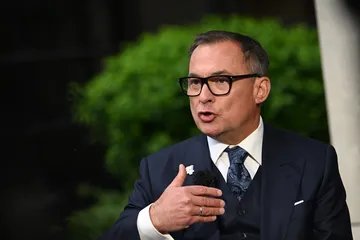
据德国联邦银行行长约阿希姆·纳格尔称,欧洲央行12月再次加息将向政策制定者遏制通胀的决心发出坚定信号。
Another European Central Bank interest-rate hike in December would send a firm message on policymakers’ determination to bring inflation under control, according to Bundesbank President Joachim Nagel.
作者:佐伊·施内韦斯 发布时间:2026-11-19T18:41:47+08:00“欧洲央行理事会已经两次加息,”他在《标签电视》节目中表示,该机构网站上发布了记录。“我们可能需要采取进一步行动,拧紧利率螺丝。”
By Zoe Schneeweiss Published: 2026-11-19T18:41:47+08:00“The ECB Governing Council has already raised rates twice,” he told Tagesschau, according to a transcript on his institution’s website. “We may need to take further action and tighten the interest-rate screw.”
他补充说:“通过这样做,我们将发出明确信号,使贷款更加昂贵——这将导致通胀率再次下降。我们不想给任何人丝毫理由怀疑这无法实现。”随着通胀率维持在4%,包括副主席博里斯·武契奇和首席经济学家菲利普·莱恩在内的多位欧洲央行官员表示,12月年内最后一次会议上提高借贷成本可能性较大。一些官员甚至暗示2027年还将采取更多行动。
He added that “by doing so, we’ll send a clear signal by making loans more expensive — this will cause the inflation rate to fall again. We don’t want to give anyone even the slightest reason to suspect that this isn’t achievable.”With inflation running at 4%, several ECB officials including Vice President Boris Vujcic and Chief Economist Philip Lane have suggested that an increase in borrowing cost at the final meeting of the year in December is likely. Some have even hinted at more action to come in 2027.
“我们的目标必须是尽快回到欧洲央行2%的通胀目标,”他说。“我也相信我们能够实现这一目标。”
“Our goal must be to return to the ECB’s inflation target of 2% as quickly as possible,” he said. “I am also confident that we can achieve this.”
他强调,虽然伊朗战争引发的油价冲击使“局势困难”,但“远不如针对乌克兰的侵略战争之后那么糟糕,当时天然气价格飞涨。”纳格尔还表示,他没有看到工资—物价螺旋上升。
He highlighted that while the Iran war’s oil shock makes “the situation is difficult,” it is “nowhere near as bad as it was after the war of aggression against Ukraine, when gas prices skyrocketed.”Nagel also said that he isn’t seeing a wage-price spiral.
“通胀率与四年前大不相同,当时我们有时每月通胀率约为10%,”他说。“现在,在德国,我们谈论的是3%。这就是为什么出现这些二轮效应的风险显著降低。”
“The inflation rate is quite different from what it was four years ago, when we sometimes had monthly rates around 10%,” he said. “Now, in Germany, we’re talking about 3%. That’s why the risk of seeing these second-round effects is significantly lower.”