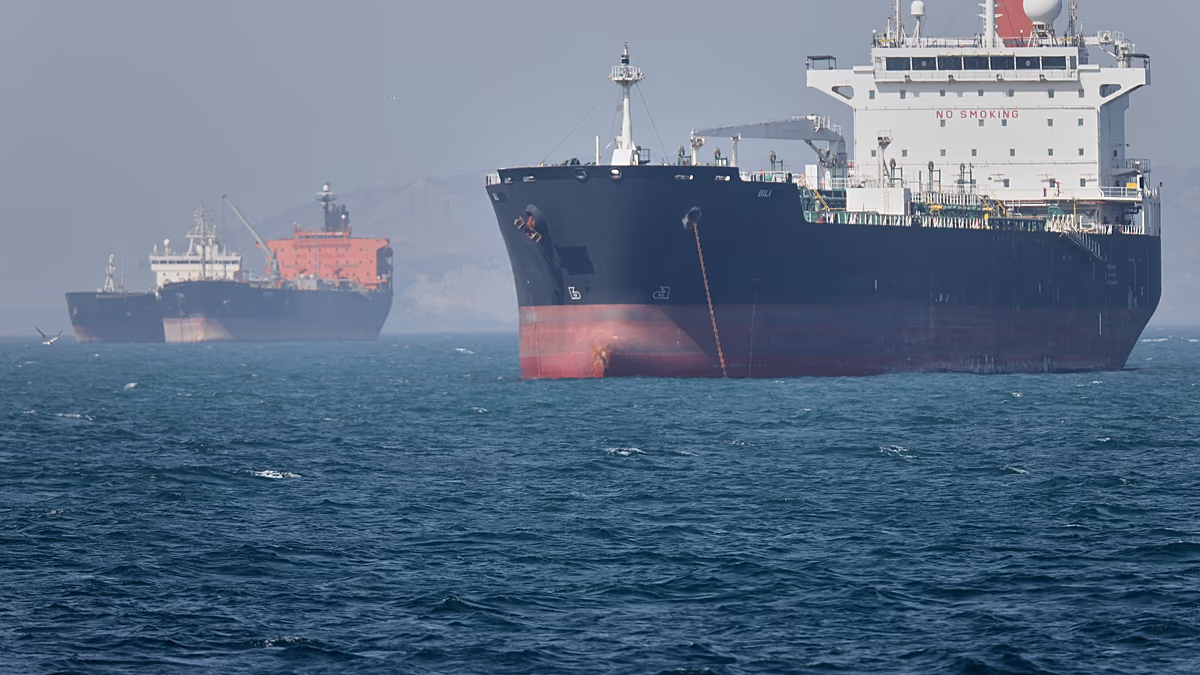
中东冲突引发了历史上对全球能源安全的最大威胁,国际能源署(IEA)发出警告,受阻的石油供应推高价格,使消费者日益暴露在冲击的余波中。这些言论是在美以轰炸伊朗之后发表的,该行动始于2月。
The Middle East conflict has triggered the largest threat to global energy security in history, the International Energy Agency (IEA) has warned, as disrupted oil supplies push up prices and leave consumers increasingly exposed to the fallout. The comments come following the US and Israeli bombing of Iran, which began in February.
国际能源署在其旗舰年度报告《世界能源展望》中表示,随着世界努力寻找新方案以吸收冲突对能源供应的影响,消费者日益承担着代价。该机构还警告称,正如以往的能源冲击一样,这场危机必将留下“持久印记”。
The IEA said in its flagship annual World Energy Outlook report that consumers were increasingly footing the bill as the world struggles to find new solutions to absorb the impact of the conflict on energy supplies. The agency also warned that, just like previous energy shocks, the crisis will certainly leave "lasting marks".The IEA made the remarks as Gulf countries continue to struggle with exporting oil since Iran began blockading the Strait of Hormuz and targeting tankers in the area, following the US and Israeli strikes.
国际能源署发表上述言论之际,海湾国家在出口石油方面仍面临困难,自美以空袭后,伊朗开始封锁霍尔木兹海峡并袭击该区域油轮。尽管美国试图护航船只通过该海峡——危机爆发前,该海峡承载着全球约五分之一的石油运输量——但供应线路仍严重中断。
Despite attempts by the United States to escort vessels through the Strait – which carried about one-fifth of global oil shipments before the crisis began – supply lines are still severely disrupted."
“霍尔木兹海峡危机造成了历史上对能源安全的最大威胁,其规模远超20世纪70年代的石油冲击,”国际能源署执行总干事法提赫·比罗尔在报告前言中写道。
The Strait of Hormuz crisis has created the largest threat to energy security in history, one that dwarfs the scale of the oil shocks of the 1970s," IEA Executive Director Fatih Birol wrote in his foreword to the report.
比罗尔还强调了各国为保护家庭所采取的努力,产油国向市场投放更多供应并利用替代路线,以及中国减少从国际市场的采购。
Birol also highlighted the efforts countries had taken to protect households, with producing nations bringing more supplies into the market and using alternative routes, as well as China buying less from international markets."
他写道:“各国政府已进行干预,试图为消费者提供一定庇护,但消费者仍面临更高价格,在某些情况下还面临供应短缺。”
Governments have intervened to try and provide some shelter for consumers, but they have nonetheless faced higher prices and, in some cases, shortfalls of supply," he wrote.
报告还提到,“随着其他缓冲手段耗尽,吸收冲击的任务越来越多地落在消费者——和高价格——身上”。
The report also mentioned that "increasingly it is falling to consumers – and high prices – to absorb the impact as other buffers are run down".Back in July, Birol said the oil market was benefiting from "several cushioning factors", something that isn’t in place now, meaning the outlook is far bleaker.
早在7月,比罗尔曾表示石油市场受益于“多重缓冲因素”,而这些因素如今已不复存在,意味着前景黯淡得多。无路可退?
No way back?
国际能源署的报告发布之际,各国领导人正在土耳其举行的第31届联合国气候变化大会(COP31)上会晤。在那里,在经历了欧洲酷热热浪和野火以及尼泊尔致命洪水的一年后,各国政府面临着应对气候变化的巨大压力。国际能源署在其能源展望中使用了三种情景。
The IEA's report comes as leaders meet for the COP31 climate talks in Turkey. There, governments are under significant pressure to tackle climate change after a year of searing heatwaves and wildfires in Europe, as well as deadly floods in Nepal. The IEA uses three scenarios for its energy outlook.
这些情景包括一个审慎情景,考量目前已实施的政策;一个中间情景,着眼于政府“声明的”政策,包括尚未采取的措施;还有一个情景,设想世界在2050年实现净零排放。气候科学家、气候分析智库创始人比尔·黑尔表示,世界必须承诺采取国际能源署勾勒的最具干预性的情景。他对法新社表示:“如果我们不跟上国际能源署勾勒的净零排放轨道,那么我们就是在判处世界承受不可逆转且永久的2.5摄氏度或更高升温。”
These are a cautious one, which takes into account policies that are currently in place, a middle scenario, which looks at "stated" government policies, including measures that have yet to be adopted, and a third, which considers a world that reaches net zero emissions by 2050. Climate scientist Bill Hare, founder of the Climate Analytics think tank, said the world had to commit to the most interventionist scenario outlined by the IEA." If we don't get on the net-zero train the IEA has outlined, then we are condemning the world to irreversible and permanent warming of 2.5C or above," he told the AFP.
在这份特定报告中,国际能源署还新增了两个情景,基于中东危机若持续可能发生的情况。“虽然能源部门和全球经济表现出相当的韧性,但危机持续的时间越长,影响就会越深远,”比罗尔在新闻稿中表示,并补充说,他“不认为能源世界有任何可信路径能回到从前的样子”。
In this particular report, the IEA also added two scenarios based on what might happen if the Middle East crisis persists." While the energy sector and the global economy have shown considerable resilience, the longer the crisis lasts, the deeper the effects will be," Birol said in a press release, adding that he doesn't “see any credible pathway for the energy world to return to the way it was before."