国际能源署表示,伊朗战争引发的能源冲击已永久改变全球能源体系,已无可靠路径回到旧秩序。
The IEA says the Iran war’s energy shock has permanently changed the global energy system, with no credible path back to the old order.
各国将聚焦能源安全与降低成本,推动太阳能、核能和电气化发展,而煤炭可能在危机时继续作为备用能源。
Countries will focus on energy security and lower costs, boosting solar, nuclear and electrification, while coal may stay as a backup in crises.
报告称,到2035年,经霍尔木兹海峡的石油贸易可能大幅下降;与此同时,COP31推动电力到2035年占全球能源使用量的35%。
The report says oil trade through the Strait of Hormuz could fall sharply by 2035, as COP31 pushes for electricity to rise to 35% of global energy use by 2035.
人工智能生成 巴黎——国际能源署11月19日发布的一份报告称,史上最严重的能源冲击以及日益加剧的气候变化担忧,正在重塑世界为家庭供电、驱动汽车和为工业供能的方式。
AI generated PARIS - The greatest energy shock in history and growing climate change concerns are reshaping how the world will power homes, drive cars and fuel industries, said an International Energy Agency report released on Nov 19.
总部位于巴黎的国际能源署表示,伊朗战争的影响将给全球能源行业“留下持久印记”。该机构在1973-74年石油危机后成立。
The repercussions from the Iran war will “leave lasting marks” on the world’s energy sector, said the Paris-based IEA, founded after the 1973-74 oil crisis.
报告称,能源需求旺盛的国家将优先考虑电力的安全性和可负担性,这将有利于太阳能等可再生技术以及核能等其他替代能源。但这也进一步强化了将煤炭保留为危机时期备用能源的理由。
Energy-hungry nations will prioritise the security and affordability of their electricity, the report said, which will benefit renewable technologies, like solar energy, and other alternatives, like nuclear power. But it also reinforces the case to keep coal as a backup for times of crisis.
在煤炭资源丰富的亚洲尤其如此。伊朗战争切断了霍尔木兹海峡,亚洲随即进入能源应急分配状态。这一狭窄通道曾承载全球约五分之一的贸易石油。
This is especially true in coal-rich Asia, which went into energy triage when the Iran war cut off the Strait of Hormuz, a narrow passageway where about a fifth of the world’s traded oil flowed.
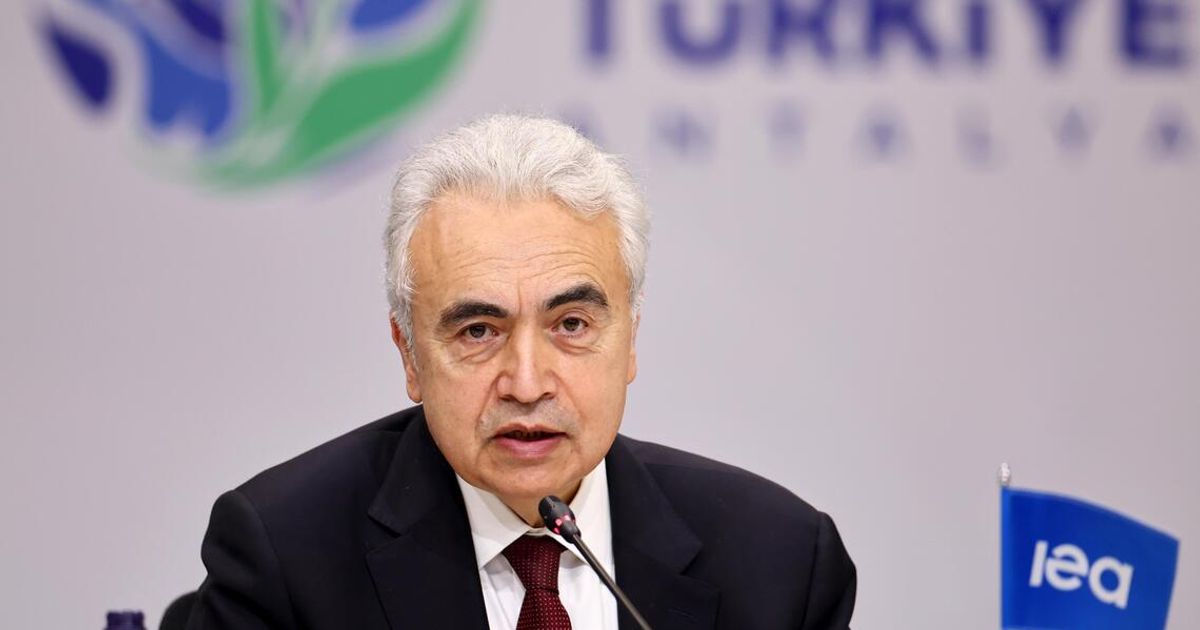
国际能源署执行主任法提赫·比罗尔表示,报告“超越当前动荡,探讨当今剧变可能催生的各种能源未来”。他警告说,“危机持续越久,影响就越深。”他说:“我看不到能源世界有任何可靠路径回到从前。”
The report looks “past the current turmoil to explore the range of energy futures that could emerge from today’s upheaval,” said IEA executive director Fatih Birol, who warned that “the longer the crisis lasts, the deeper the effects will be.”“I don’t see any credible pathway for the energy world to return to the way it was before,” he said.
在土耳其举行的年度联合国气候谈判(即COP31)进入最后一周。在这些谈判之前,联合国宣布,世界正危险地接近无法实现将全球变暖限制在比工业化前气温高1.5摄氏度以内的目标。
The annual United Nations climate talks in Turkey, known as COP31, are in their final week. Before these negotiations, the UN announced the world is dangerously close to missing its goal of limiting global warming to 1.5 deg C above pre-industrial temperatures.
电气化——即用电力为家庭、汽车和工业供能的过程——以及摆脱导致全球变暖的化石燃料,是COP31的主要议题。
Electrification – the process of powering homes, cars and industries with electricity – and moving away from planet-warming fossil fuels are major issues at COP31.
国际能源署可持续发展部门主任劳拉·科齐在接受美联社采访时表示:“我们第一次真正看到,用于应对能源安全担忧的政策与能源转型所需的政策高度一致。这是一种独特的趋同,使电气化处于危机应对的核心。”旗舰报告预测能源未来。国际能源署是全球领先的政府间能源组织,拥有30多个成员国。其今年的旗舰报告分析政府和私人数据,根据各国是坚持现行政策还是因持续危机而大幅转向,预测各种未来情景。
“For the first time, we are actually seeing the policies used to respond to energy security concerns being very strongly aligned with policies needed for energy transitions,” said IEA director of sustainability Laura Cozzi in an interview with the Associated Press. “This is a unique convergence that sees electrification at the heart of crisis response.”Flagship report projects energy future The IEA is the world’s leading intergovernmental energy organisation, with more than 30 member countries. Its flagship report this year analyses government and private data to project various future scenarios based on whether countries stick with current policies or drastically shift because of ongoing crises.
专家表示,能源行业在伊朗战争前后存在明显的分界。今年3月,国际能源署协调紧急释放4亿桶原油库存,以稳定全球市场。
There is a clear before and after the Iran war for the energy sector, experts said. In March, the IEA coordinated the emergency release of 400 million barrels of crude oil stocks to stabilise global markets.
智库Ember联合创始人戴夫·琼斯表示:“当我们审视能源危机如何长期改变世界时,各国政府才刚刚开始认识到情况会发生多大变化。”
“When we look at how energy crises change the world over the long term, governments are only just beginning to get their head around just how much things will change,” said Dave Jones, co-founder of the think-tank Ember.
冲突、贸易紧张、气候风险和网络攻击正在增加可能的能源未来情景数量,国际能源署表示,“推动多元化”的燃料供应将重塑能源贸易。
Conflicts, trade tensions, climate risks and cyberattacks are increasing the number of possible energy futures, and the IEA said the “drive to diversify” fuel supplies will reshape the energy trade.
科齐说:“这场危机之后,世界将不再是原来的样子,但我们究竟会变成什么样,这仍然取决于形势,我们将在未来几个月看到。”
“The world will not look the same after this crisis, but how we will look exactly, this still depends, and we will see in the next few months,” Cozzi said.
国际能源署预计,中东仍将是世界最大的石油出口地区,但各国可能会减少对霍尔木兹海峡的依赖。国际能源署预计,通过该海峡的石油量可能从伊朗战争前的每天2000万桶,降至2030年的850万桶,到2035年甚至低于200万桶。
The IEA projects the Middle East will still be the world’s largest oil exporter, but nations will likely reduce dependence on the Strait of Hormuz. The IEA projects the amount of oil passing the strait could go from 20 million barrels a day before the Iran war, to 8.5 million barrels in 2030, and even under two million barrels by 2035.
国际能源署表示,尽管化石燃料仍在能源结构中占主导地位,但太阳能和核能是各国政府优先发展国内能源的“最大受益者”。
While fossil fuels still dominate energy mixes, the IEA said solar and nuclear power are the “biggest beneficiaries” of governments prioritising domestic energy sources.
“这场危机暴露了依赖化石燃料的代价,”Power Shift Africa主任穆罕默德·阿多表示。“一场发生在数千英里之外的冲突就能让国内的能源账单飙升,这太疯狂了。”
“This crisis has exposed the price of fossil fuel dependence,” said Mohamed Adow, director of Power Shift Africa. “It’s crazy that a conflict thousands of miles away can send energy bills soaring at home.”
然而,对能源安全的担忧可能促使各国将煤炭作为后备选择。FutureCoal的米歇尔·马努克表示,“对于煤炭资源丰富的经济体来说,国内煤炭仍然是重要的能源安全资产。”该组织是一个由行业支持的团体,前身为世界煤炭协会。
Energy security concerns, however, may lead nations to rely on coal as a fallback option. Michelle Manook of FutureCoal, an industry-backed group formerly known as the World Coal Association, said “for coal-rich economies, domestic coal remains an important energy security asset.”
“我们看到煤炭有一种势头,”国际能源署的比罗尔表示。“它能否持久,我们拭目以待。”气候谈判聚焦电气化。COP31召开之前,世界经历了受伊朗战争搅动的一年,还遭遇了多场气候引发的灾害,例如欧洲致命的热浪和尼泊尔的毁灭性洪灾。全球变暖正给不断上升的电力需求增添压力。
“We see coal has a momentum,” said the IEA’s Birol. “We will see if it is long-lived or not.”Climate talks eye electrification COP31 follows a year rattled by the Iran war, as well as several climate-induced disasters, like Europe’s deadly heat waves and Nepal’s devastating flooding. Global warming is adding pressure to rising electricity demand.
国际能源署称,今年制冷能源需求首次超过供暖能源需求,这是一个“引人注目的里程碑”。科齐表示,这是“一个将持续未来十年乃至更久的趋势的开端”。印度是世界上人口最多的国家,未来十年其能源需求增长将超过世界其他任何地方。中国已是世界上电气化程度最高的经济体之一,其电气化率可能从2025年的32%升至2035年的43%,在主要经济体中位居最高。
In what the IEA called a “striking milestone,” energy demand for cooling overtook energy demand for heating for the first time this year. Cozzi said this is “the beginning of the trend that will last for the next decade and beyond.”India, the world’s most populous nation, will account for more energy demand growth over the next decade than anywhere else in the world. China, already one of the world’s most electrified economies, may see electrification grow from 32% in 2025 to 43% by 2035, the highest among major economies.
在COP31上,土耳其希望全球将电力在全球能源消费总量中的占比从目前的约21%提高到2035年的35%。
At COP31, Turkey wants the world to increase the share of electricity in total global energy consumption from roughly 21% today to 35% by 2035.
尽管土耳其希望这部分电力来自可再生能源,但摆在谈判桌上的联合国文件并未明确说明这一点。这意味着,至少初期阶段,燃煤和其他化石燃料电厂仍可能被用来为电网供电。
While Turkey prefers this to come from renewables, UN documents on the negotiating table don’t spell this out. That means power plants running on coal and other fossil fuels could be used to supply power grids, at least initially.
“国际能源署的最新报告明确指出,美以对伊朗发动的战争所引发的化石能源危机已不可逆转地改变了全球能源体系,这也进一步说明各国为何能从快速转向清洁能源中受益。”正在参加COP31的忧思科学家联盟气候项目主任蕾切尔·克利特斯表示。
“The IEA’s latest report makes clear that the fossil energy crisis unleashed by the US-Israel war on Iran has irrevocably changed the global energy system, adding to the many reasons why countries would benefit from a rapid transition to clean energy,” said Rachel Cleetus, climate programme director at the Union of Concerned Scientists, who is at COP31. AP