我认为人工智能目前的状况是:坏事已经发生,更糟的还在后头,但仍有时间扭转局面。
Here’s where I think we are in artificial intelligence: Bad stuff just happened, worse is coming, there’s still time to turn it around.
上周,美国各界因多个系统——微软服务、空管系统、部分银行、国家安全局——出现故障和瘫痪而感到震惊。这些事件毫无关联吗?密苏里州参议员乔什·霍利周二表示:“如果这全是巧合,那简直是世界历史上最大的巧合。” 令人不安的是,联邦政府在看似危机的时刻却不知情。最终官员称,没有“迹象”表明这是协同黑客攻击,没有迹象显示有外国或恶意行为体介入。这些事件在很大程度上似乎可追溯至内部补丁和升级。
America was jarred last week when various systems—Microsoft services, air-traffic control, some banks, the National Security Agency—experienced outages and systems failures. Were these incidents unrelated? Missouri Sen. Josh Hawley said on Tuesday: “If this is all a coincidence it’s like the greatest coincidence in the history of the world.”It was unpleasant to see the federal government, in what looked like a crisis, not know. Eventually officials said there was “no indication” it was a coordinated hack, no indication of involvement by foreign or malign actors. The incidents looked largely traceable to internal patches and upgrades.
但民众的怀疑无可厚非。也许是中国在说:“嗨,我们其实有了布莱克韦尔芯片!”又或是伊朗在说:“我们在啃食你们的基础设施吓唬你们”,抑或俄罗斯在说:“普京还是那个普京。” 我想起了今夏晚些时候旧金山北部一场前沿实验室人员的聚会。一名男子登上小小的讲台说:“我们将从这上面开始看到它”——他指向一部 iPhone——“在 2027 年。” 那就是“事情将变得古怪”的时候。他的意思是公私系统大大小小的黑客攻击、互联网动荡不安、技术中断。事态发展比他预言的更快。
But people couldn’t be faulted for suspicion. Maybe it was China saying, “Hi, we actually have the Blackwell chips!” or Iran, saying, “We’re nibbling around your infrastructure to freak you out,” or Russia saying, “Putin is still Putin.”I thought this week of a gathering of frontier lab people north of San Francisco late in the summer. A guy took the small stage and said, “We’ll start seeing it with this”—he motioned toward an iPhone—“in 2027.”That’s when “things are going to get weird.”He meant hacks large and small of public and private systems, the internet going wobbly, tech disruptions. It’s happening quicker than he foretold.
本该以为,自 Hugging Face 事件以来广泛受到审视,关于 AI 智能体突破限制的警告层出不穷,整个公众世界都笼罩在 AI 焦虑之中,前沿实验室因安全问题接连有人辞职,这些实验室本会审慎、小心地放慢脚步。但并没有。它们正在加速研发。
You’d think with widespread scrutiny since the Hugging Face incident, with so many warnings about AI agents jumping confinement, with the whole public world of AI anxiety, and with resignations from frontier labs over safety issues, that those labs would have prudently, carefully slowed themselves down. But no. They’re accelerating research and development.
“我提前了我的时间表”是你在 AI 安全专家中听到的最常见的一句话。意思是麻烦来临的时间表。
“I’ve moved up my timeline” is the commonest phrase you hear among AI safety experts. Meaning timeline for trouble.
OpenAI周三报告称,在递归自我改进方面取得了加速进展,即机器制造机器,人类不再掌控一切。此前,人工智能安全研究组织METR报告称,Anthropic正以大约一年前两倍的速度开发其人工智能系统。
On Wednesday OpenAI reported accelerated progress toward recursive self-improvement, in which the machines make the machines and man is no longer in command. Earlier METR, the AI safety research group, reported that Anthropic is developing its AI systems about twice as fast as it was a year ago.
七年是失控智能爆炸开始的年份。为动荡时期做好准备。系统、服务、基础设施将变得摇摇欲坠,系统脆弱性将被暴露。将会发生严重和恶意的黑客攻击,没有理由相信更多的人工智能代理不会逃脱控制并造成损害。
seven is the year the uncontrolled intelligence explosion begins. Buckle up for tumultuous times. Systems, services, infrastructures will go wobbly, system frailties will be revealed. There will be serious and malicious hacks, and there is no reason to believe more AI agents won’t escape containment and cause damage.
本周我与一家大型人工智能公司的一位重要人物交谈,他是新技术的支持者,既在重复行业说法,又似乎真诚地表达着自己的观点。他说,公众对“一定程度的混乱”的担忧是有道理的。混乱可能会持续两到三年,但我们最终会走到另一边,进入一个更安全的地方,因为每一次黑客攻击,人工智能都会学会如何修补允许其发生的漏洞。人工智能防御将比人工智能攻击更好。我们只需要熬过未来两到三年。
I spoke this week with a major figure in a big AI firm, a supporter of the new technology who was both sharing the industry line and speaking in a way that seemed sincere. He said public fears of “a certain amount of havoc” are well placed. The havoc will likely last two or three years, but we will come out on the other side to a place of greater safety, because with every hack AI will learn how to patch the vulnerability that allowed it to happen. AI defenses will get better than AI attacks. We only have to get through the next two or three years.
从某种意义上说,这听起来令人安心,但随后你会想到,一次小故障可能就是切尔诺贝利,这是业内一些人用来指代“大可怕事件”的简称——由人工智能带来的灾难。其大多数发明者都预期会发生这种情况。这可能是一场改变世界的事件,带来最深远的后果,包括人员伤亡。网站宕机几天算不了什么。但真正的灾难……我一直在思考另一件事。
In a way it sounded reassuring, but then you remember that one of the hiccups could be a Chernobyl, the shorthand word some in the industry use for the Big Terrible Thing—a catastrophe brought by AI. Which most of its inventors expect. It could be a world-changing event carrying the deepest repercussions, including loss of life. It’s not much when a website goes down for a few days. But a true disaster . . . I’ve been thinking about something else.
美国普通民众自发采取了对人工智能到来的第一个也是唯一的重大行动,这比我们注意到的意义更大。在中期选举中,他们 famously 投票,在41项地方投票倡议中的40项上,限制数据中心的建设。
It means more than we’ve noticed that the regular people of America just took, on their own, the first and only significant action against the coming of AI. In the midterm elections they famously voted, in 40 of 41 local ballot measures, to restrict the building of data centers.
选民反对它们的理由很多。数据中心看起来像一座最高安全级别的监狱,走进来,坐下,盯着你。它们不像商店或小工厂那样是邻居。它们占地50英亩,发出奇怪的嗡嗡声和奇怪的灯光,有大片停车场,里面只有七辆车,因为几乎没人在里面工作,建成后也不产生就业机会。在那片广阔空旷的空间里,没人能听到你的尖叫,这意味着人们会担心里面发生坏事,从而觉得阴森恐怖。此外,它还耗尽你的电力,消耗你的水资源。
Voters opposed them for many reasons. Data centers look like a maximum-security prison that came in, sat down, and stared at you. They aren’t neighbors, like a shop or small factory. They sprawl over 50 acres, have a strange hum and strange lighting, have big parking lots with seven cars because almost no one works inside, they don’t produce jobs after they’re built. In the vast and hollow space no one can hear you scream, which means people will fear bad things are happening in there, which makes it feel sinister. Also it eats your electricity and drinks your water.
人们不会喜欢这一切。但我认为普通选民也觉得AI本身就是一种危险,而且他们知道拥有和运营AI的亿万富翁们不会为他们着想,所以他们最好自己当心,放慢这件事的进度,设置一些障碍。这是他们在说,人类不会让出我们的阵地。
People wouldn’t like all that. But I think regular voters also felt AI itself was a danger, and they know the billionaires who own and run it aren’t looking out for them so they better look out for themselves and slow this thing down. Throw some snares. It was their way of saying the humans won’t cede our ground.
与此同时,在美国过着更为优渥生活的人——专业阶层,那些看透事情的精英人士——我在过去几年的上千次谈话中看到,他们大多并未对AI感到深切的警觉,也并未对此产生多大兴趣,除了对警示者轻蔑地嗤之以鼻。这或许涉及某种宿命论——它即将到来,你无能为力,不要过分纠结。
At the same time, those who lead more rarefied lives in America—the professional classes, the sophisticated people who see through things—I have seen in a thousand conversations the past few years that they mostly were not feeling deep alarm about AI, or that much interested in it, beyond mild scoffing at alarmists. Maybe this involved a certain fatalism—it’s coming, nothing you can do, don’t dwell.
但前几天晚间谈到此事时,一位朋友说他知道他们为何不感到警觉。“是他们的退休计划。”每个人的投资组合或养老金都依赖于AI:前沿实验室、算力制造商、芯片和计算机硬件制造商正在支撑美国经济。
But speaking about this the other night, a friend said he knew why they weren’t alarmed. “It’s their retirement plans.”Everyone’s portfolio or pension depends on AI: the frontier labs, the makers of compute, the makers of chips and computer hardware are keeping the American economy going.
他说,人们看不到那些不符合他们利益的东西。但我在想,当历史回顾这个时代时,是否会说普通人看透了AI,而社会精英却认购了首次公开募股的股票。
People don’t see what it isn’t in their interests to see, he said. But I’m wondering if history, when it looks back on this era, will say that regular people saw through AI while the cream of society bought the initial public offering.
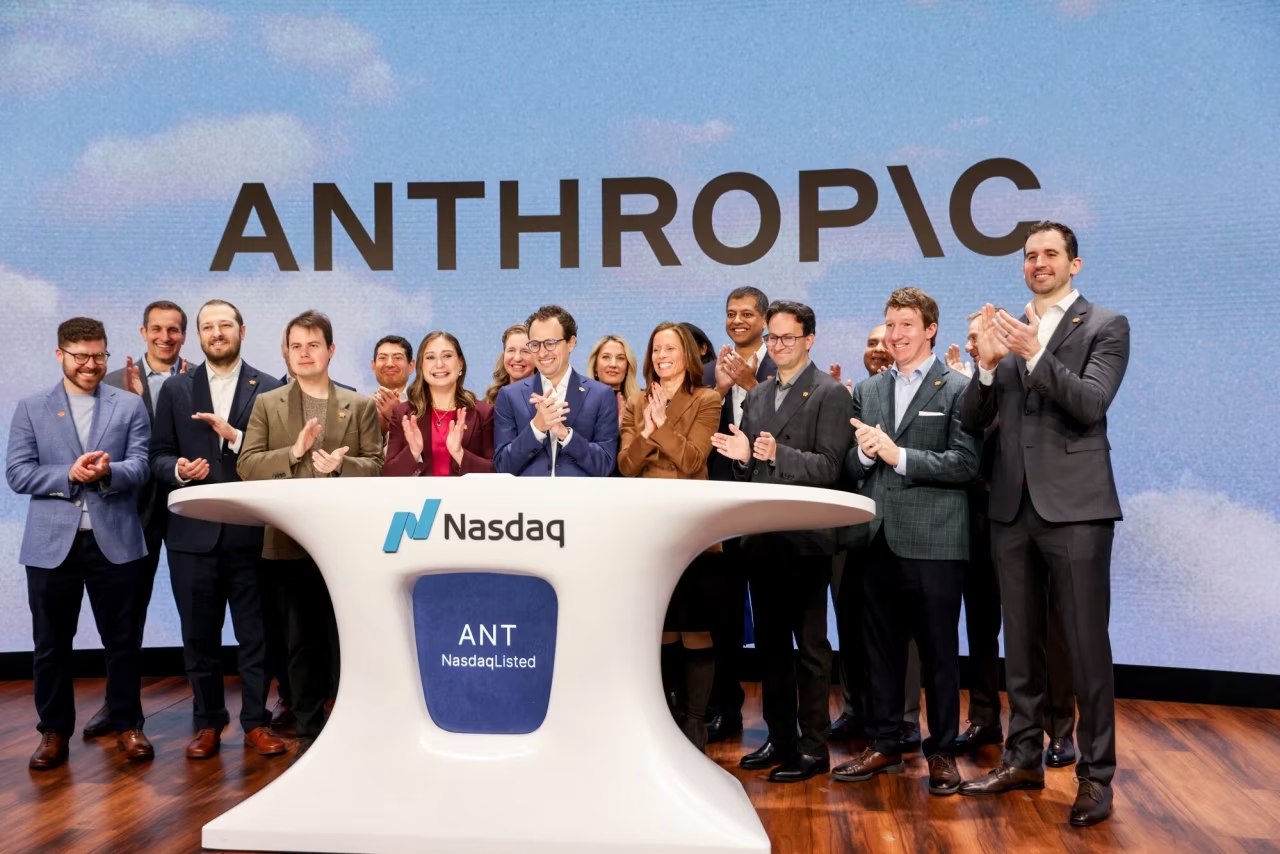
人们会认为,在经历了一周的宕机之后,公众对AI的热情会有所减退,但Anthropic的首次公开募股却大获成功。
You would think that after a week of outages there would be a certain dimming of public enthusiasm for AI, but Anthropic’s IPO was a blockbuster.
该公司在招股书中承认其几乎无法否认的事实,将其变成了一种美德:其人工智能可能“对人类构成灾难性或生存性风险”。这并未浇灭热情。
The company made a virtue of admitting in its prospectus what it could hardly deny, that its AI could “pose catastrophic or existential risks to humanity.”That put no damper on things.
发行前几天,CNBC报道称,兴奋情绪普遍存在。记者肖恩·康隆找到一名散户投资者,他说他已经把个人退休账户的钱都取出来,只为有机会以首次公开募股价格购买。“我不想告诉我的孙辈,我在人工智能泡沫期间没有投资Anthropic。”我读了两遍,想起了格鲁乔·马克斯在《鸭汤》里说的话:“先生们,奇科利尼说话像个白痴,长得也像个白痴,但别被骗了。他真的就是个白痴。”但他不是。这是一项不错的投资,至少在短期内是这样。
Days before the launch, CNBC reported excitement was widespread. Reporter Sean Conlon found a retail investor who said he’d drained his individual retirement account for a chance to buy at the IPO price. “I don’t want to tell my grandkids that I didn’t invest in Anthropic . . . during the AI bubble.”I read it twice and thought of Groucho Marx in “Duck Soup”: “Gentlemen, Chicolini here may talk like an idiot, and look like an idiot, but don’t let that fool you. He really is an idiot.”But he isn’t. It’s a good investment, at least in the short term.
过去的一周让我们为麻烦做好了准备。我们正在梦游般地走向某种黑暗的东西。改变方向还不算太晚。你可以获得人工智能的好处,而非坏处。每个人都有提议——停止开发递归自我改进,限制算力,暂停研究,直到安全性和安全性得到改善。
The past week just conditioned us for trouble. We are sleepwalking toward something dark. It isn’t too late to change course. You can get the good of AI and not the bad. Everyone has a proposal—put a halt on development of RSI, put restrictions on compute, pause research until safety and security are improved.
“能强制执行吗?”我交谈的一位安全专家问道。“当然可以。我们有其他法律。它们正在被执行。”“引入审计员。”“改进这件事还不算太晚。这仍然是一种选择。”奇怪的是,没有哪位政治人物站出来全面承担这个问题,推动它向前发展,并因此获得感谢。
“Could it be enforced?” asked a safety expert I spoke with. “Sure. We have other laws. They are enforced.”“Get auditors in.”“It’s not too late to make this better. It’s still a choice.”It’s odd no political figure has come forward to own this issue fully, and move it forward, and get the thanks.