联合国支持的关于规范战争中人工智能的会谈于本周六结束,各国同意继续讨论,但未就制定严格规则以限制致命自主武器达成共识。
UN-backed talks this week on regulating AI in warfare ended Saturday with nations agreeing to further discussions, but without a consensus on developing firm rules on how to rein in deadly autonomous weapons.
包括联合国秘书长古特雷斯在内的规制支持者曾呼吁,在短时间内就能够在无人参与情况下识别并杀伤目标的无人机等人工智能武器达成具有法律约束力的条约。
Proponents for regulations including UN Secretary General António Guterres had called for a legally binding treaty within a short time frame on AI weapons like drones that could identify and kill without human involvement.
会谈于周一至周五在日内瓦举行的《特定常规武器公约》会议期间进行。作为缔约国的100多个国家(包括加拿大)预计均已参会。
The discussions ran Monday to Friday at a Convention on Certain Conventional Weapons meeting in Geneva. More than 100 countries that are party to the convention, including Canada, were expected to take part.
尽管大多数国家支持致力于达成该条约,但美国、俄罗斯等部分军事强国拒绝承诺接受会限制其开发此类高科技武器的具有约束力的规则。这导致最终达成了一项软性协议,即到2028年“详细阐述”一项关于此类致命自主武器系统的可能协议。
Though most countries supported working towards the treaty, some military powers like the U.S. and Russia resisted committing to binding rules that would limit them in developing such high-tech weapons. That resulted in a softened agreement to "elaborate" a possible accord on such lethal autonomous weapons systems by 2028.
联合国裁军事务高级代表中满泉赞扬这是一项“重大成就”,但也承认这是一个“半杯水或半空杯”的局面,并提到古特雷斯希望今年达成具有法律约束力的协议。
Izumi Nakamitsu, the UN high representative for disarmament affairs, hailed a "significant achievement" but acknowledged a "glass half full or half empty" scenario, citing Guterres's hopes for a legally binding deal this year.
究竟需要什么条件,世界超级大国才能就战争中的人工智能规制达成一致?
What will it take for the world's superpowers to agree on AI regulations in war?
然而,一些倡导团体哀叹,在人工智能日益成为致命打击因素之际,更强有力的措辞却被阻挠。
However, some advocacy groups bemoaned the blocking of stronger language at a time when AI is increasingly becoming a factor in deadly strikes.
麻省理工学院机器学习专家、未来生命研究所创始人马克斯·泰格马克表示:“各国同意仅就该问题进行讨论已属足够,而这已是第14年,与此同时这些武器却助长了暴行。”
"States have agreed it is sufficient to just talk about the issue, for the 14th year, while these weapons enable atrocities," said Max Tegmark, a machine learning specialist at the Massachusetts Institute of Technology and founder of the Future of Life Institute.
“结果令人失望但意料之中,”国际治理创新中心高级研究员、反战组织“犁头计划”高级研究员布兰卡·马里扬表示。
Superpowers resist binding rules The outcome is disappointing but expected, said Branka Marijan, senior fellow at the Centre for International Governance Innovation and senior researcher with anti-war organization Project Ploughshares.
马里扬表示,美国和俄罗斯等军事超级大国一直抵制具有法律约束力的规则。
Marijan says military superpowers like the U.S. and Russia have resisted legally binding rules.
“这里存在一个真正的政治意愿问题。主要军事强国根本没有政治意愿去建立具有法律约束力的文书和硬性法律,”她说。人工智能正日益被用于世界各地的冲突中,以在战场上获取优势。
"There is a real issue here of political will. There's just no political will among the major militaries to have legally binding instruments and hard laws," she said. AI is being used increasingly in conflicts around the world to gain advantage in battle.
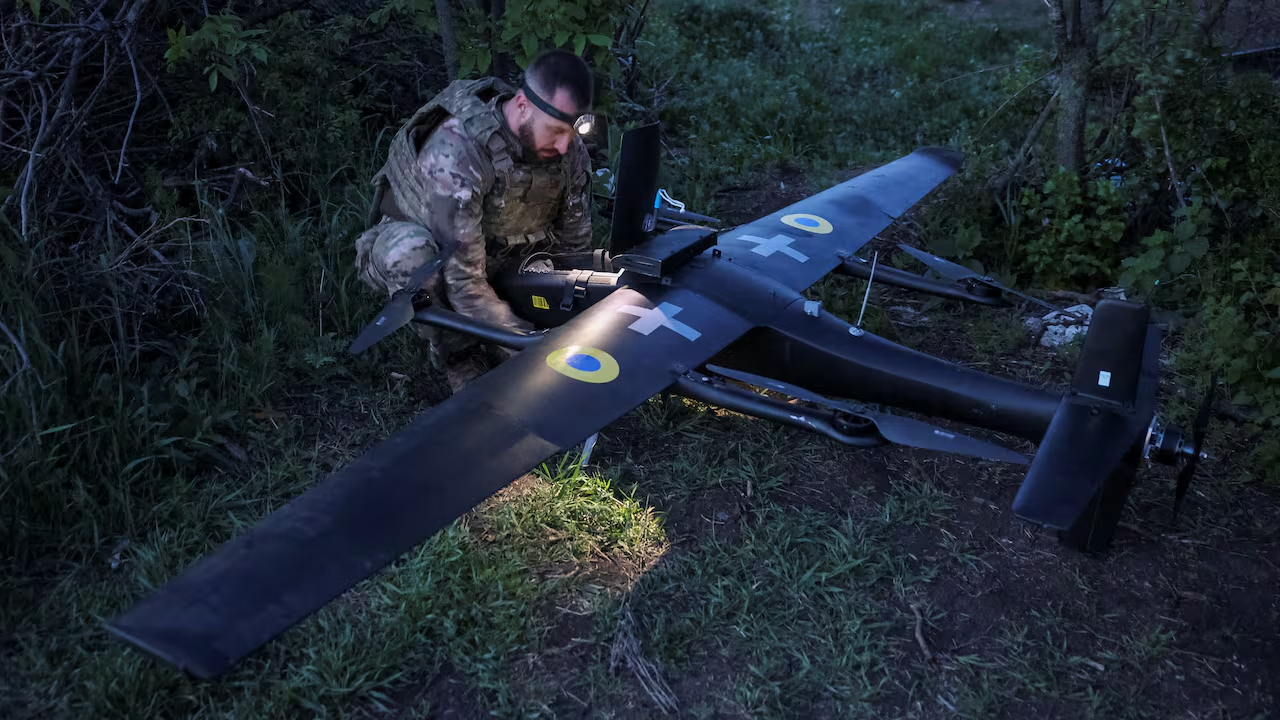
俄罗斯和乌克兰都在利用人工智能追踪目标、规划攻击,这场战争即将进入第五个年头。在乌克兰,有报道称俄罗斯操作的自主无人机造成平民伤亡,而乌克兰据报也测试过此类武器。
Both Russia and Ukraine are using AI to track targets and plan attacks in the war entering its fifth year. In Ukraine, there are reports that autonomous drones operated by Russia have killed civilians, while Ukraine has also reportedly tested such weapons.
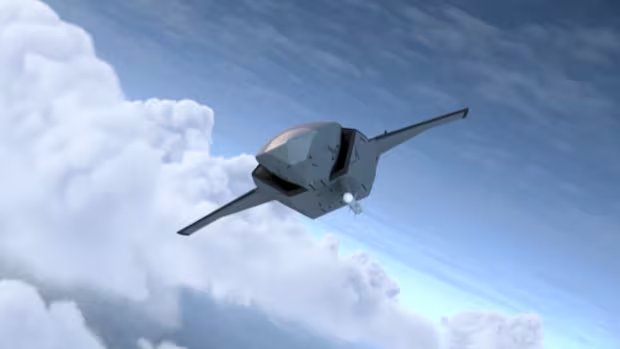
美国大力推动在战斗中增加人工智能的使用,并正在测试能够自主飞行的先进战斗无人机。人工智能无人机战争已成现实。加拿大应否跟进?
The U.S. has made a major push to increase its use of AI in combat, and is testing advanced fighter drones that fly themselves. AI drone warfare is here. Should Canada buy in?
11月7日 时长 随着世界出现这种“难以置信的危险举动”,即在没有任何护栏的情况下开发和部署能力日益增强的自主武器系统,监管的必要性变得更加紧迫,马里扬说。
November 7 Duration The need for regulation has become more urgent as the world sees this "incredibly dangerous move" towards the development and deployment of increasingly capable autonomous weapons systems — without any guardrails, Marijan said.
“我认为存在极端情形,但如果考虑到每个国家现在都能部署这些系统,却没有真正的约束,就会有非常直接的风险和担忧,”她说。加拿大广播公司新闻已联系加拿大全球事务部和国防部置评。人工智能战争时代已来临。加拿大准备好了吗?
"I think there's extreme scenarios, but there are very immediate risks and concerns if you think about the fact that each country could deploy these systems now and there are no real constraints," she said. CBC News reached out to Global Affairs Canada and the Department of National Defence for comment. The age of AI warfare has dawned. Is Canada ready?
军事指挥官誓言在人工智能和机器人领域迅速行动,看到加拿大的“未开发潜力” 国防部本月早些时候向加拿大广播公司新闻发送的一份声明中表示,加拿大武装部队支持开发自主功能,前提是“在负责任的人类指挥和控制链条内运作,并承诺维护此类武器系统的可靠和合法使用。”加拿大是2月在西班牙举行的军事人工智能峰会上,就如何管辖人工智能在战争中的使用达成宣言的国家之一。
Military commander vows fast action on AI and robots, sees 'untapped potential' for Canada In a statement sent to CBC News earlier this month, the Department of National Defence said the Canadian Armed Forces supports the development of autonomous functionality on the condition that it would be "operated within a responsible chain of human command and control and commits to uphold the reliable and lawful use of such weapon systems." Canada was among the countries that agreed to a declaration on how to govern use of artificial intelligence in warfare at a military AI summit in Spain in February.
2025年,加拿大还支持了一项联合国决议,呼吁各国为可能就一项管辖致命自主武器系统使用的条约进行谈判奠定基础。
In 2025, Canada also supported a UN resolution calling on countries to lay the groundwork for possible negotiations on a treaty governing the use of lethal autonomous weapons systems.
联合国的中满泉早在周一就呼吁各国开始着手达成一项协议,并“开始思考如何获得一份尽可能强有力的文书,以禁止和管制致命自主武器系统”。
The UN's Nakamitsu called for countries to begin work towards a deal as early as Monday and "start thinking about how to get as strong as possible [an] instrument to prohibit and regulate lethal autonomous weapon systems."