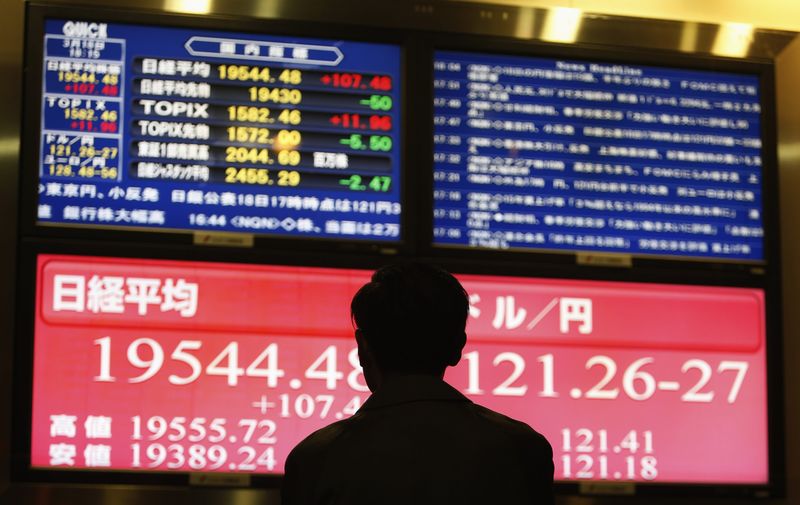
Investing.com -- 台湾、中国和韩国已宣布采取措施为金融市场提供支持,此前全球股市经历了惨烈的一周,人工智能板块的暴跌重创了市场情绪。
Investing.com -- Taiwan, China, and South Korea have announced measures to provide support to financial markets after a brutal week for global stocks in which a rout in the artificial intelligence trade battered sentiment.
在本周伊始,人工智能板块便承压走低,受到对人工智能基础设施建设大规模债务融资的担忧、向这项新兴技术投入数十亿美元回报的不确定性,以及美国中期选举民主党大获全胜对人工智能行业和大规模数据中心扩张的监管影响等因素拖累。
The AI trade had already been under pressure coming into the week, weighed down by concerns around massive debt-fueled financing of the AI infrastructure buildout, uncertain returns on the billions being poured into the nascent technology, and the regulatory ramifications of a sweeping Democratic victory in the U.S. midterm elections on the AI industry and the proliferation of massive data centers.
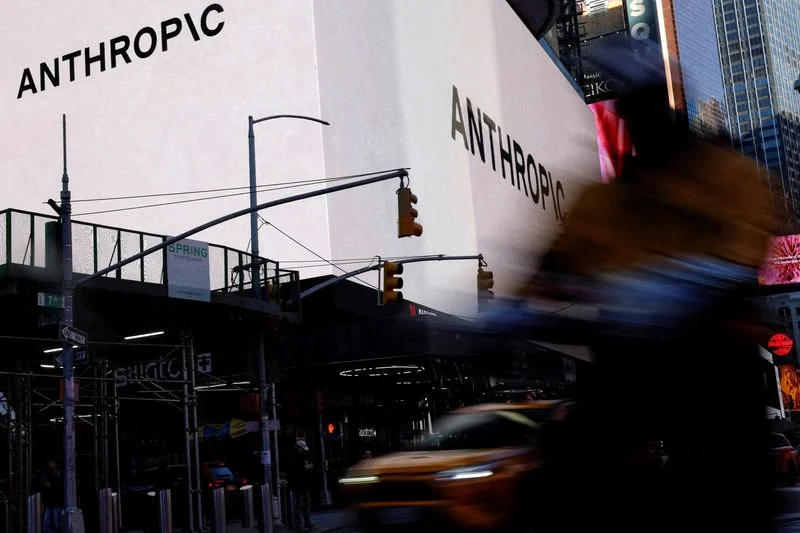
人工智能板块本有望凭借两大事件反弹——人工智能宠儿英伟达的季度财报,以及领先人工智能前沿实验室Anthropic创下纪录的首次公开募股(IPO)。
The AI trade had the potential to bounce back this week on the back of two major events - quarterly results from AI darling Nvidia and a record-breaking initial public offering from leading AI frontier lab Anthropic.
然而,英伟达前所未有的治理危机导致首席执行官黄仁勋震惊离职,掩盖了另一份超预期的业绩表现。此外,尽管Anthropic上市首日股价大涨,但该IPO并未能缓解困扰更广泛人工智能板块的担忧。
However, an unprecedented governance crisis at Nvidia which resulted in the shock departure of chief executive Jensen Huang overshadowed another blockbuster earnings performance. Moreover, while Anthropic popped in its market debut, the IPO did little to address the worries plaguing the wider AI trade.

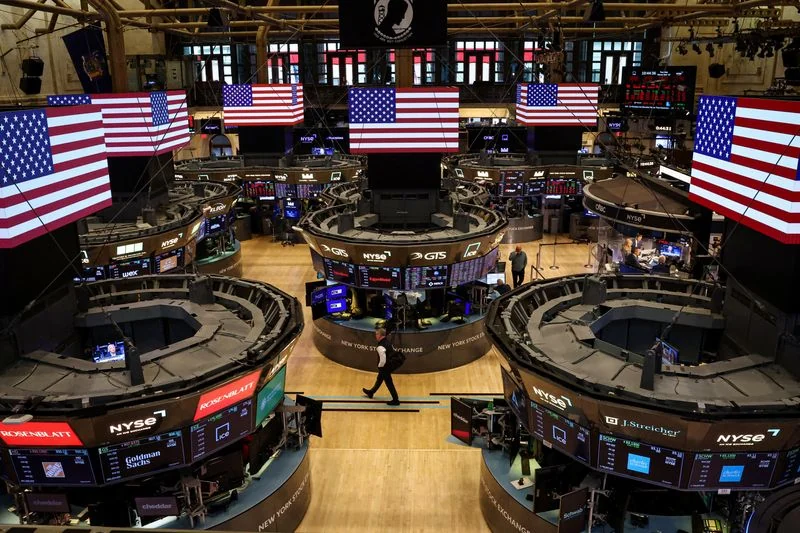
结果是,华尔街录得自2025年4月以来最差的周度表现,基准标普500指数跌入回调区间。人工智能繁荣也极大地提振了台湾和韩国,这两地拥有全球一些最大的晶圆代工厂和半导体设备制造商。台湾和韩国股市的市值大幅膨胀。
The result was Wall Street’s worst weekly performance since April 2025, culminating with the benchmark S&P 500 index sliding into correction territory. The AI boom has also been a tremendous boost to Taiwan and South Korea which house some of the world’s biggest contract chipmakers and semiconductor equipment manufacturers. Taiwan and South Korea’s stock markets have exploded in market value.
台湾金融监督管理委员会周六在一份声明中指出,股票近期“持续剧烈波动”,并推出五项措施以“维护证券市场秩序与稳定”。措施包括全面禁止以低于前一交易日收盘价的价格卖空,以及将最低保证金比例由130%调高至150%。此举是在台湾加权股价指数跌至自1990年8月以来最差单周表现之后出台的。
Taiwan’s Financial Regulatory Commission on Saturday noted in a statement that stocks had recently “continued to fluctuate sharply” and unveiled five measures to “maintain the order and stability of the securities market.”The measures include a complete ban on short-selling below the previous trading day’s closing price and an adjustment of the minimum margin to 150% from 130%. The commission’s move comes after Taiwan’s benchmark stock index slumped to its worst weekly performance since August 1990.
与此同时,韩国周日宣布紧急措施以稳定股市,包括筹备市场稳定基金和暂时放宽企业回购自家股票的限制。韩国基准股指KOSPI周五下跌逾5%,并已从6月最近一次收盘历史高点暴跌近47%。
Meanwhile, South Korea on Sunday announced emergency measures to stabilize stock markets, including preparations for a market support fund and temporary easing of corporate share buyback restrictions. The country’s benchmark KOSPI slid more than 5% on Friday and has plunged nearly 47% from its most recent record close in June.
此外,经中国证券监督管理委员会批准,中国上海证券交易所和深圳证券交易所周日公布支持市场的措施,包括将投资者融资买入证券的融资保证金比例由100%调降至80%。中国上海和深圳股指上次收盘分别创下自2025年7月和2025年6月以来的最低水平。
Elsewhere, China’s Shanghai Stock Exchange and Shenzhen Stock Exchange on Sunday, with the approval of the China Securities Regulatory Commission, unveiled steps to support markets, including adjusting the financing margin ratio for investors to finance and buy securities to 80% from 100%. China’s Shanghai and Shenzhen indexes last closed at their lowest levels since July 2025 and June 2025, respectively.